Repose Pillow
Can Objects Relearn the Architecture of Human Comfort?
Soft Goods • Sensory • Lifestyle
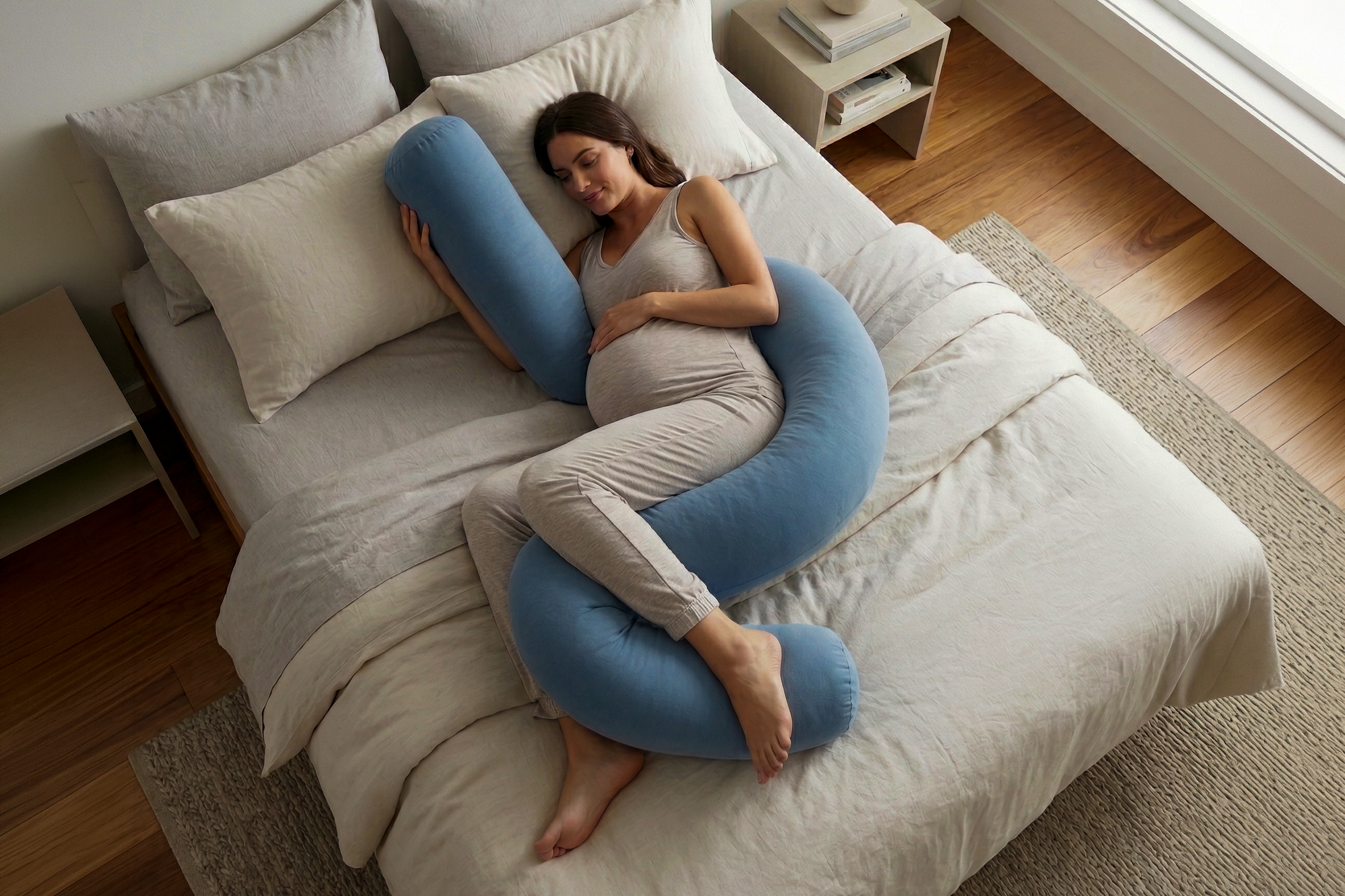
the BRIEF
A comfortable night’s sleep is influenced by individual preferences, physical needs, and different body positions.
This project investigates how people experience and pursue physical comfort during sleep, examining sleeping habits, support needs, and interactions with existing pillows and sleep products. Through research and observation, it aims to identify unmet needs and opportunities to improve how the body is supported throughout the night.
RESEARCH
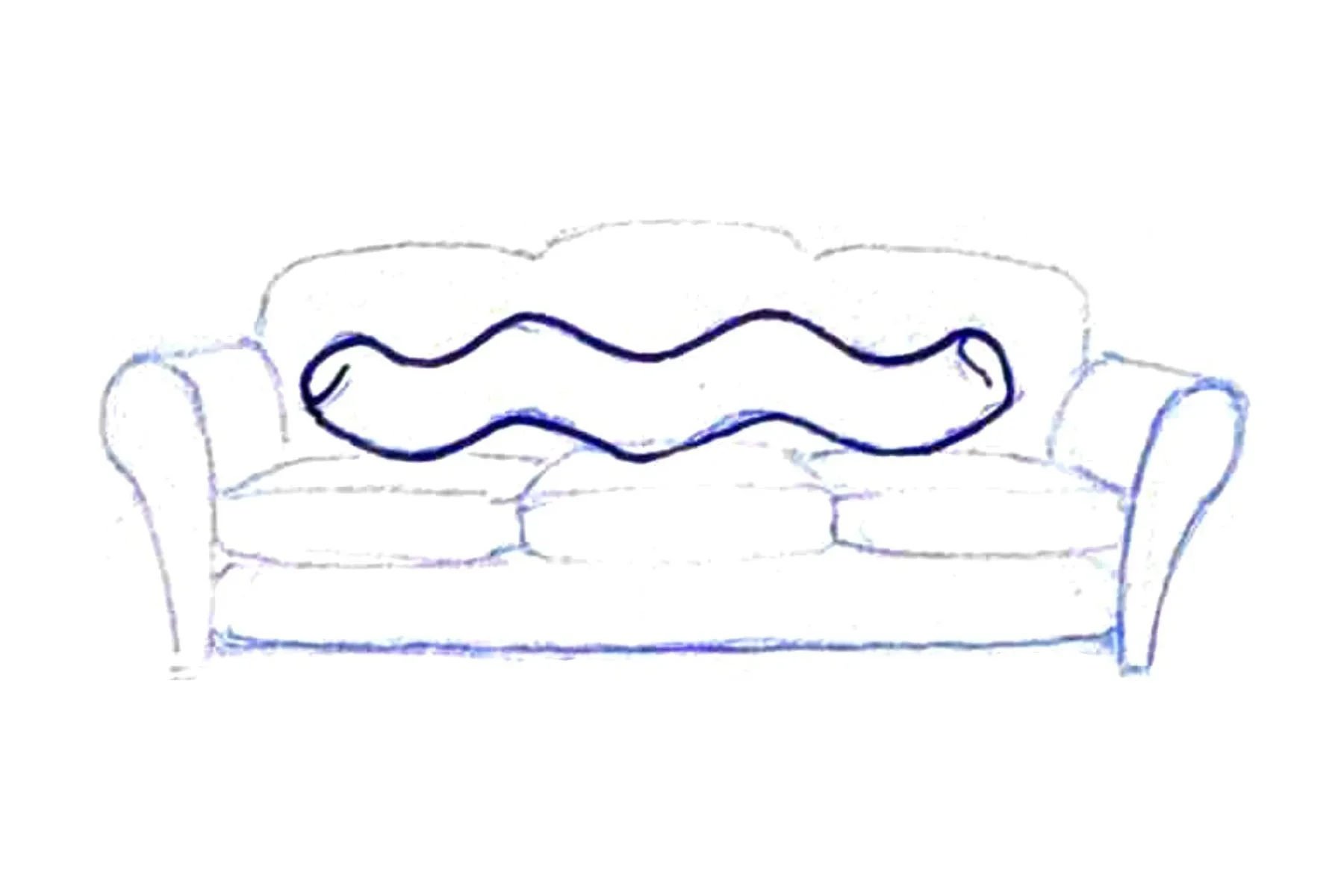
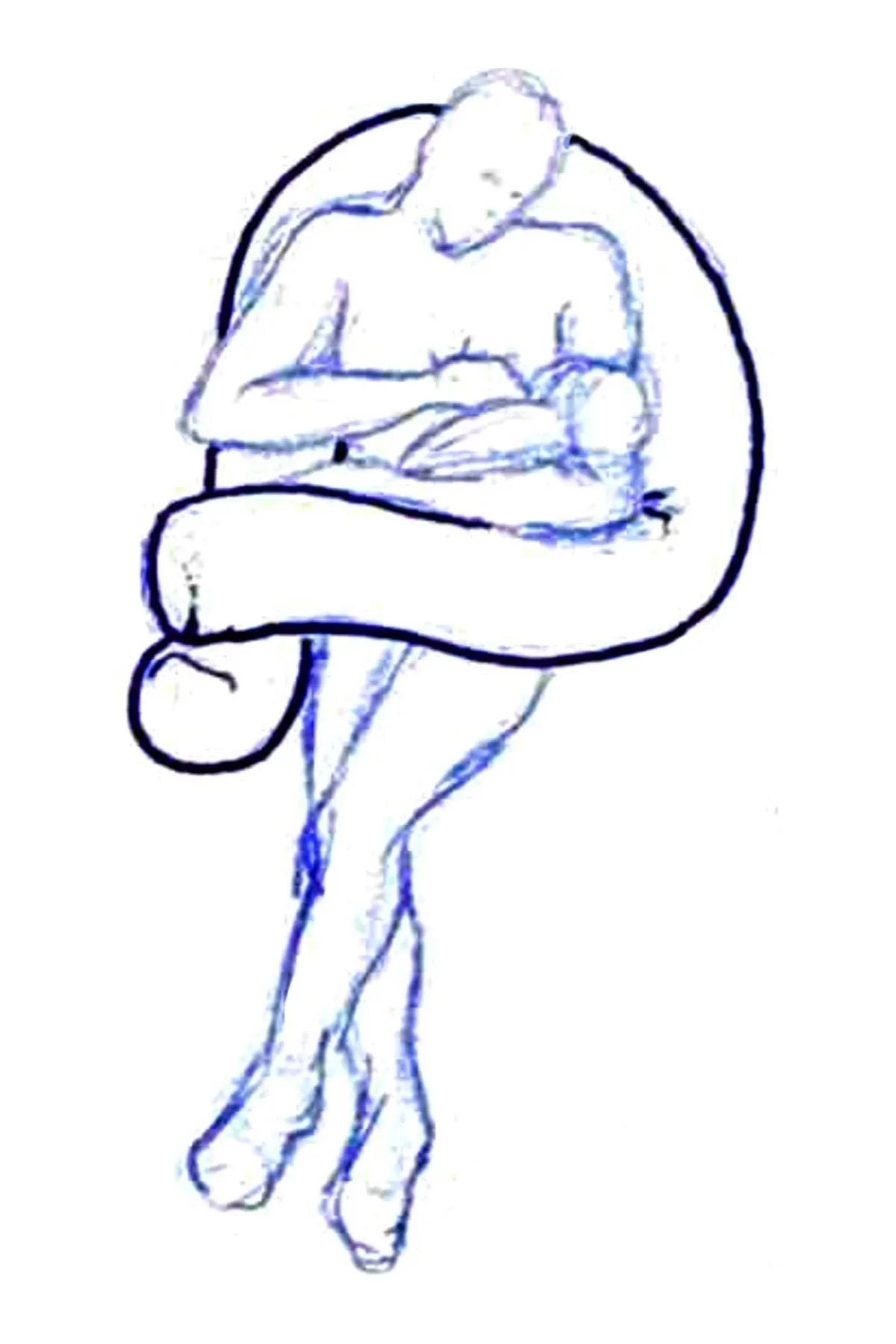
1 / 4 . THE MEANING OF COMFORT
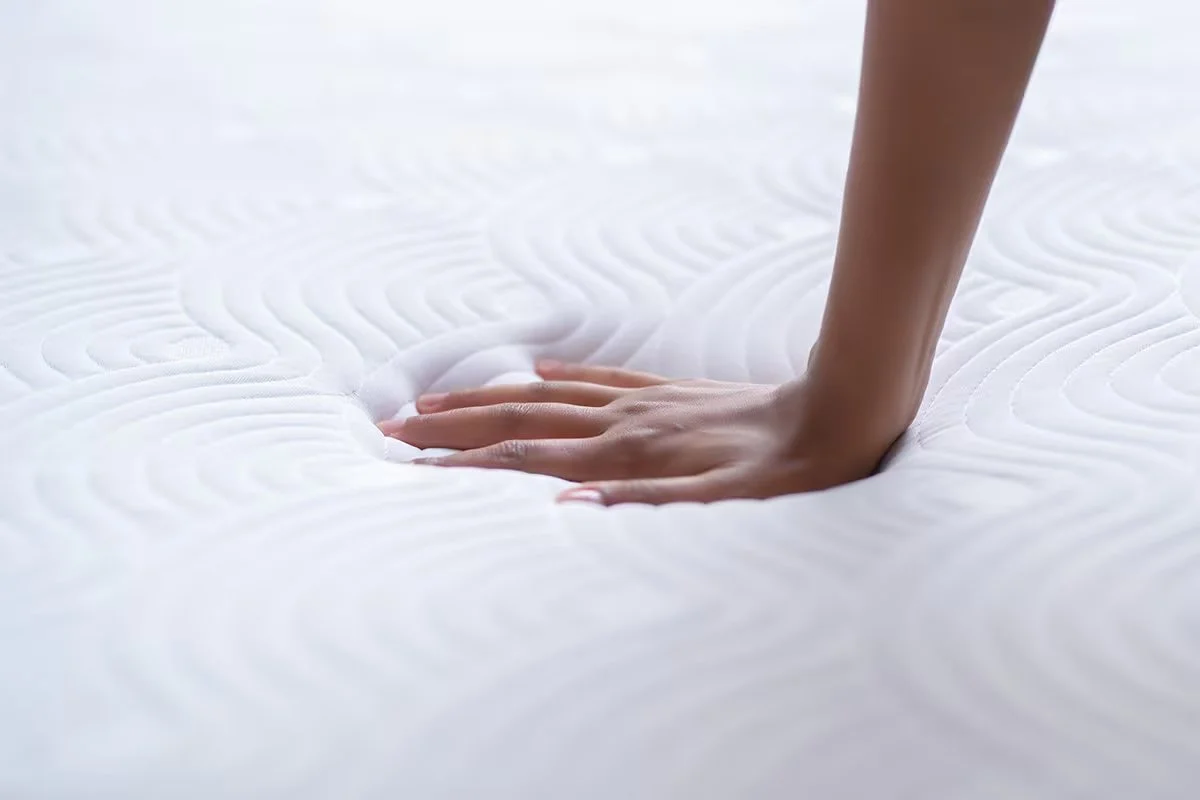

2 / 4 . THE BODY AT REST
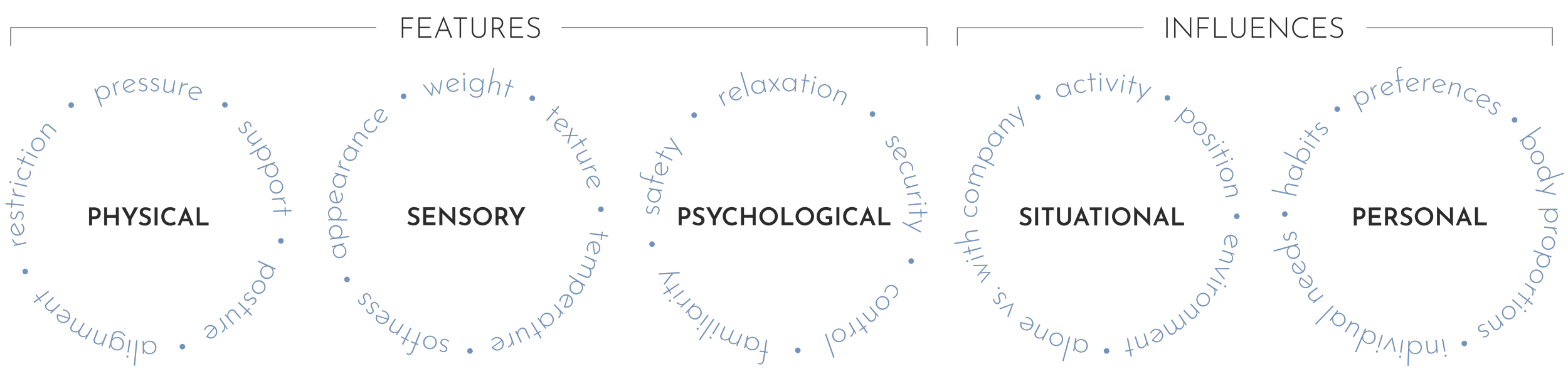
Beyond softness or the absence of pain,
comfort is a subjective,
multi-dimensional experience
shaped by humans and their surroundings.
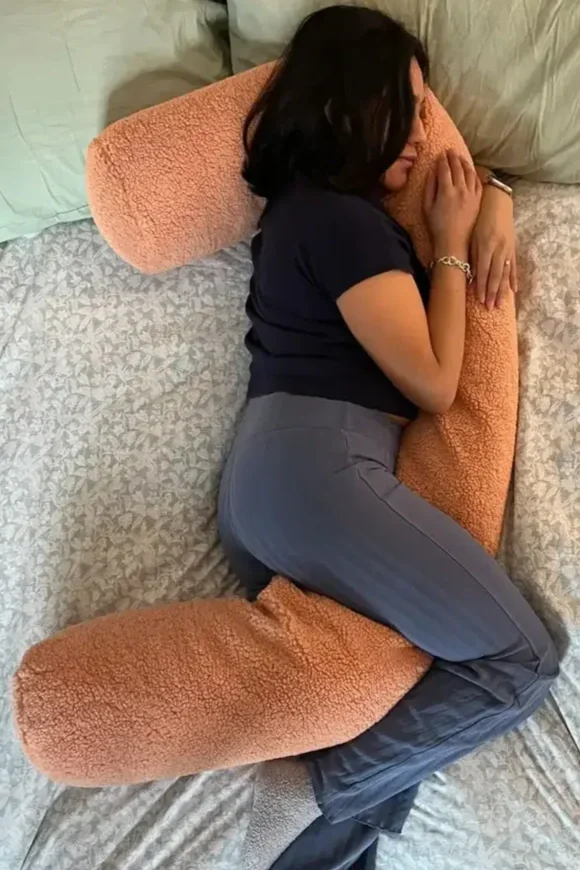
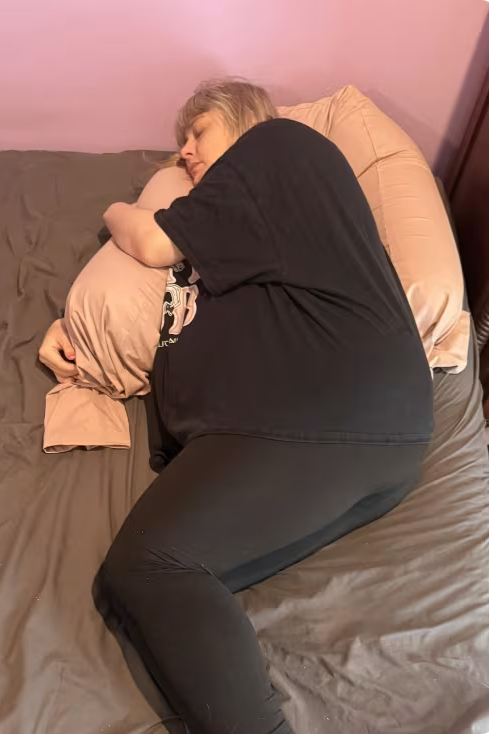

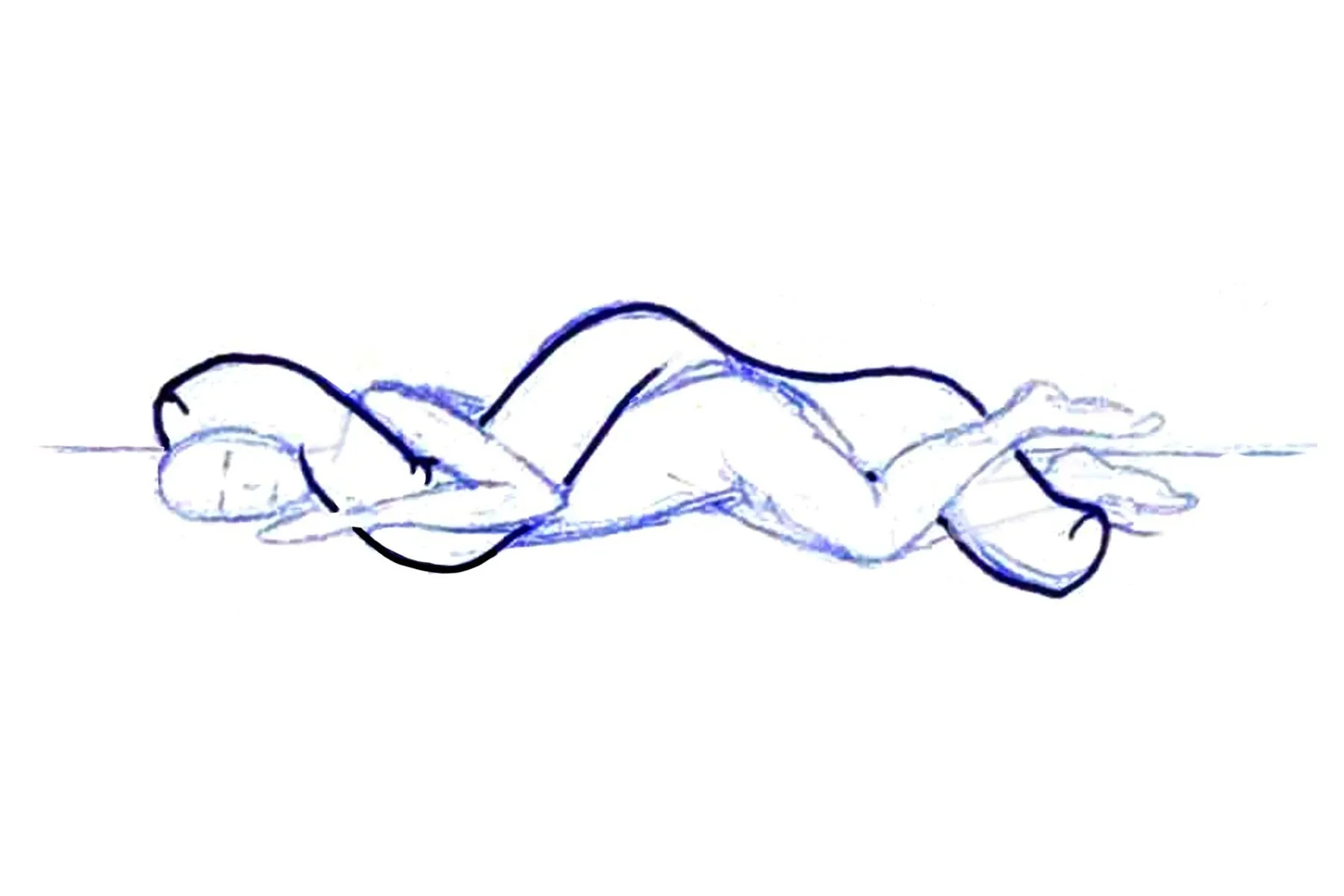
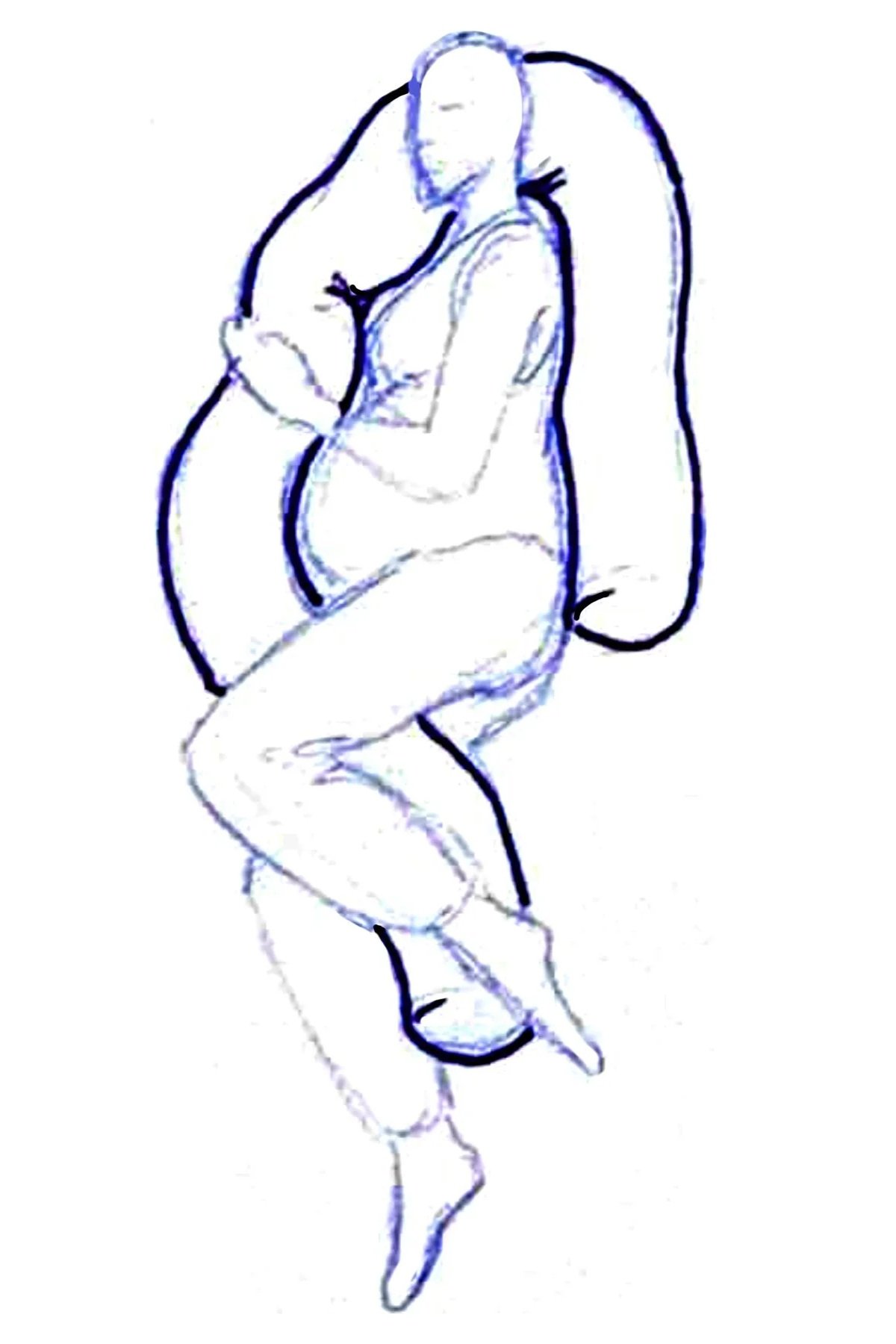
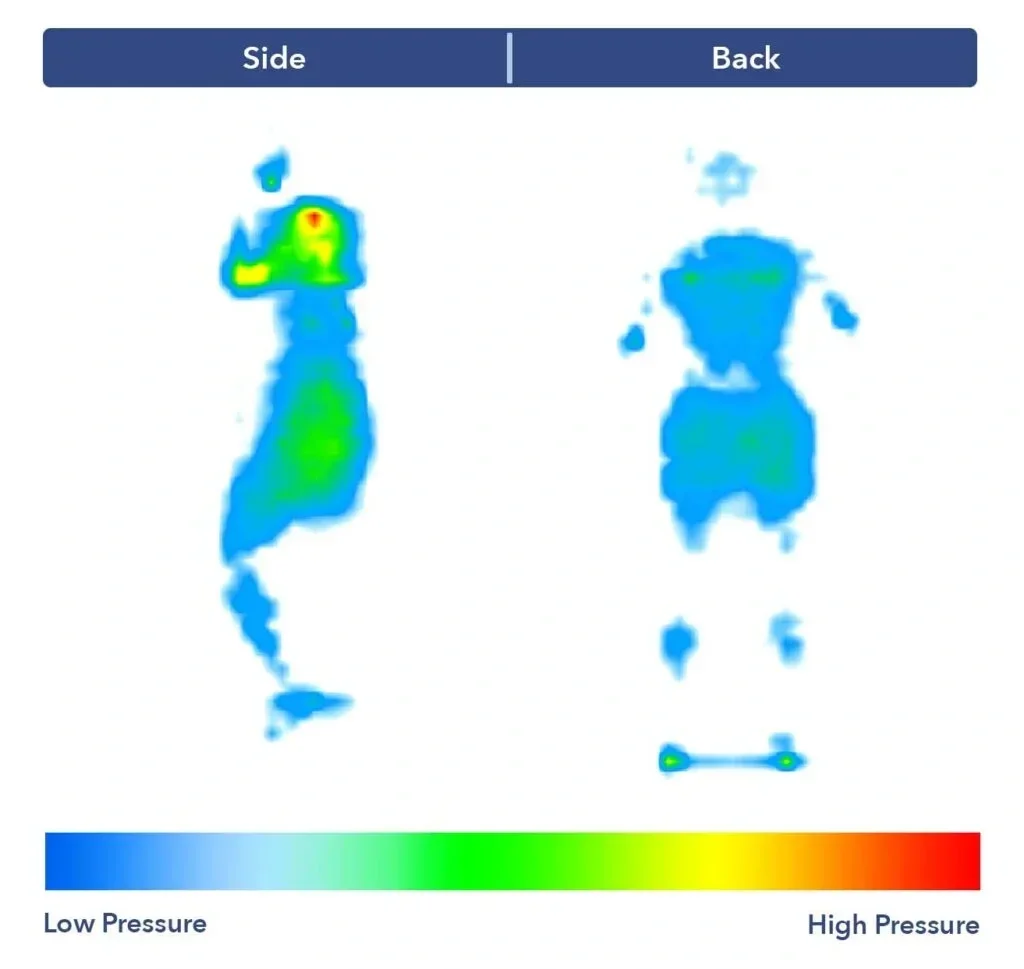
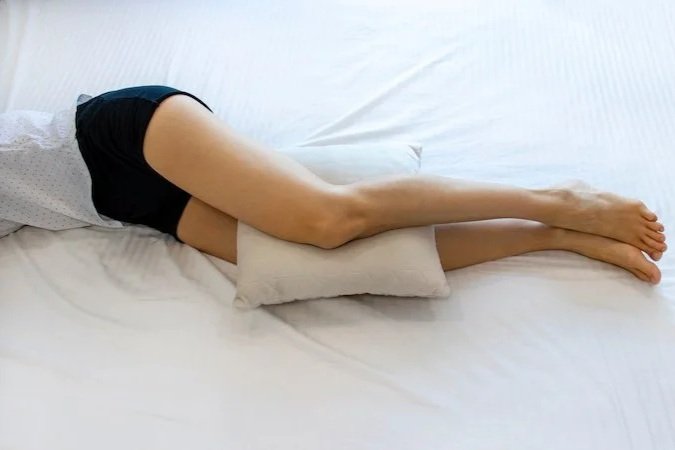
69% of U.S. adults say they usually sleep on their side, but this positioning can awkwardly distribute pressure, leaving users’ bodies under-supported.
3 / 4 . EVERYDAY IMPROVISATION
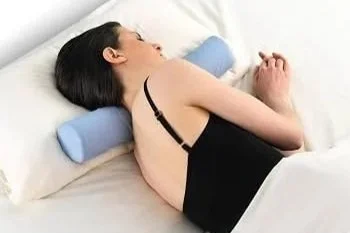
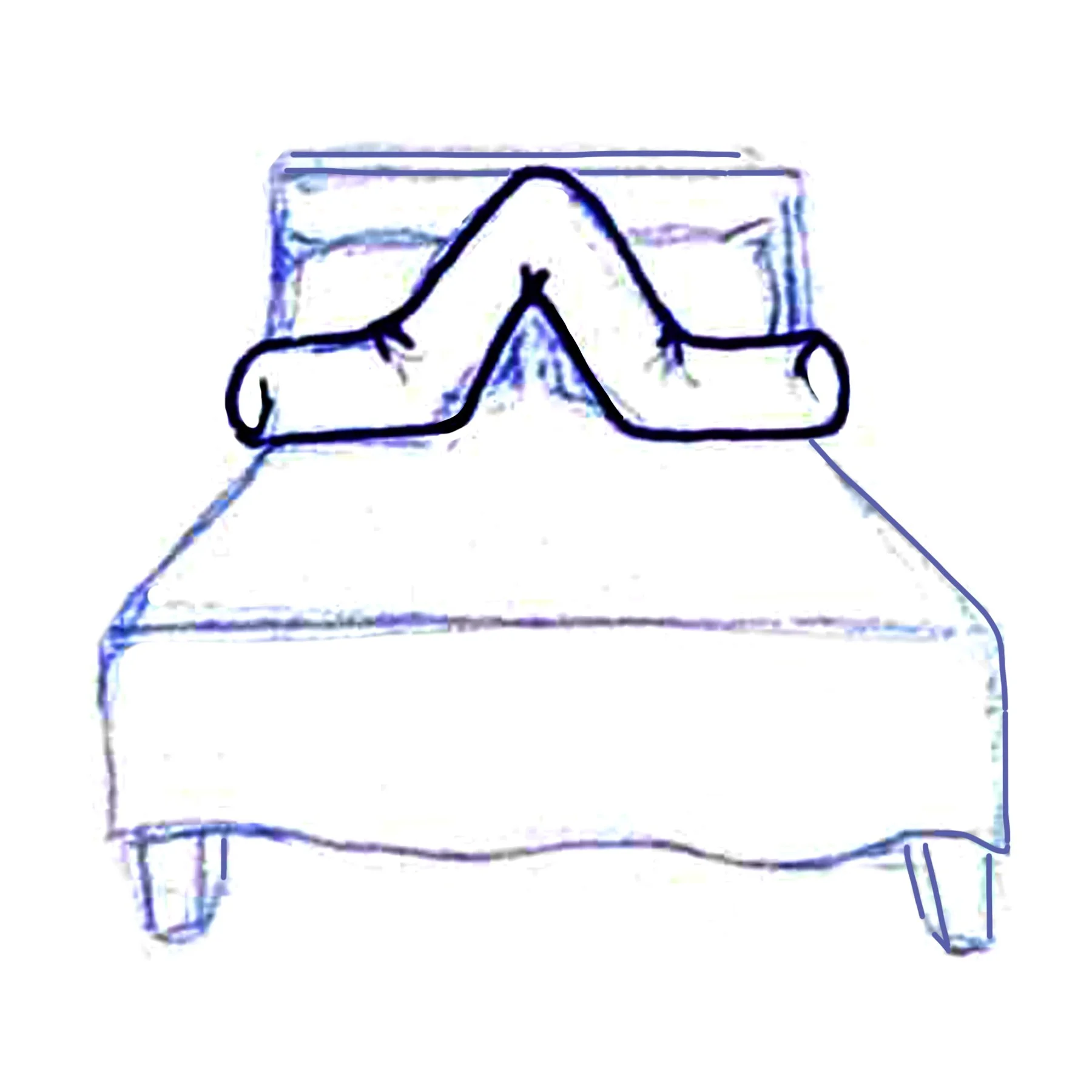
After investigating 21 peoples’ sleep habits, it is apparent that side-sleepers turn to improvised solutions fro adequate support. Although these inventive habits can help individuals ease into sleep, a reshuffled bed and stiff, overworked muscles in the morning prove that a higher level of consistent support is needed.
4 / 4 . EXISTING SOLUTIONS & DESIGN OPPORTUNITY
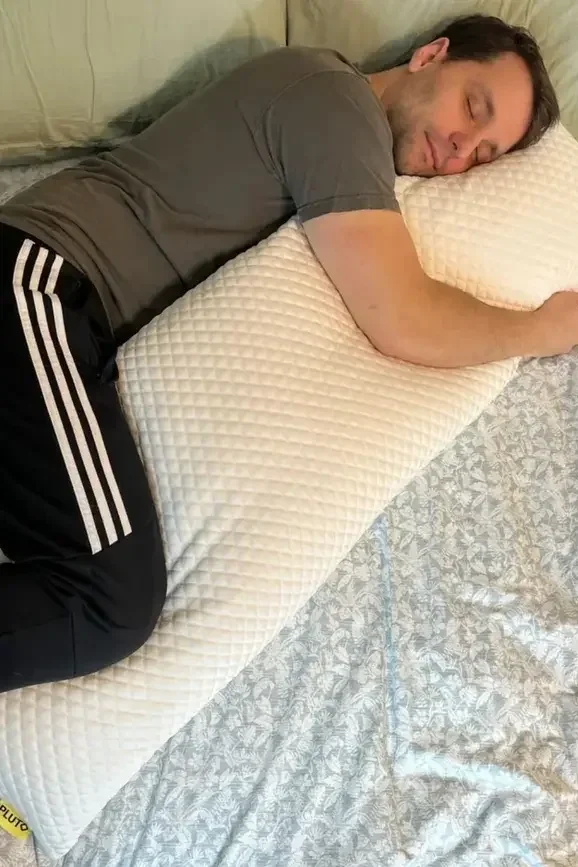
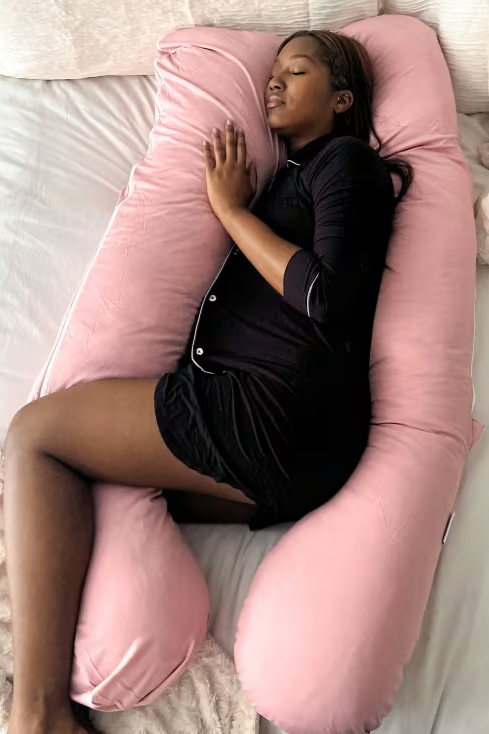
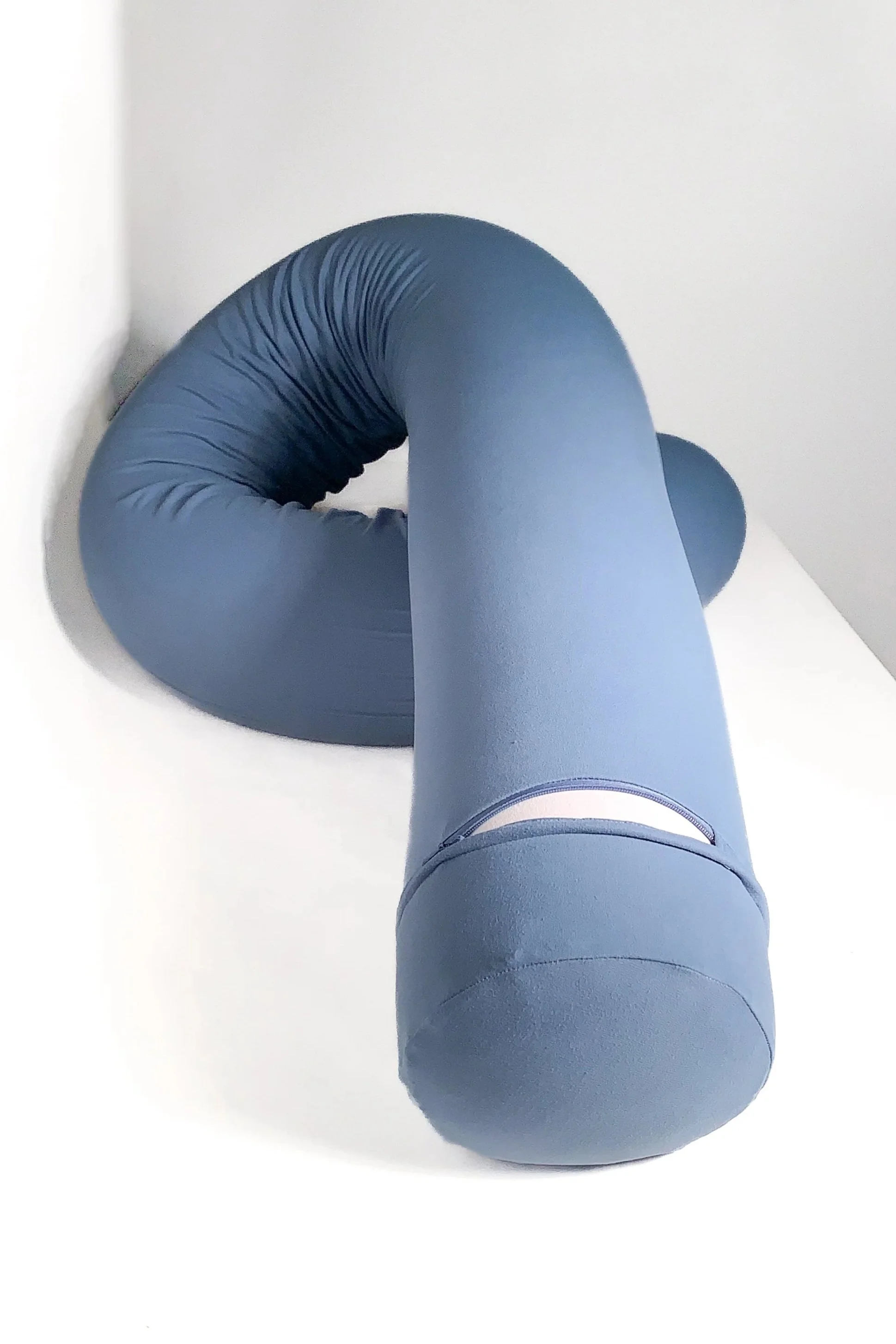
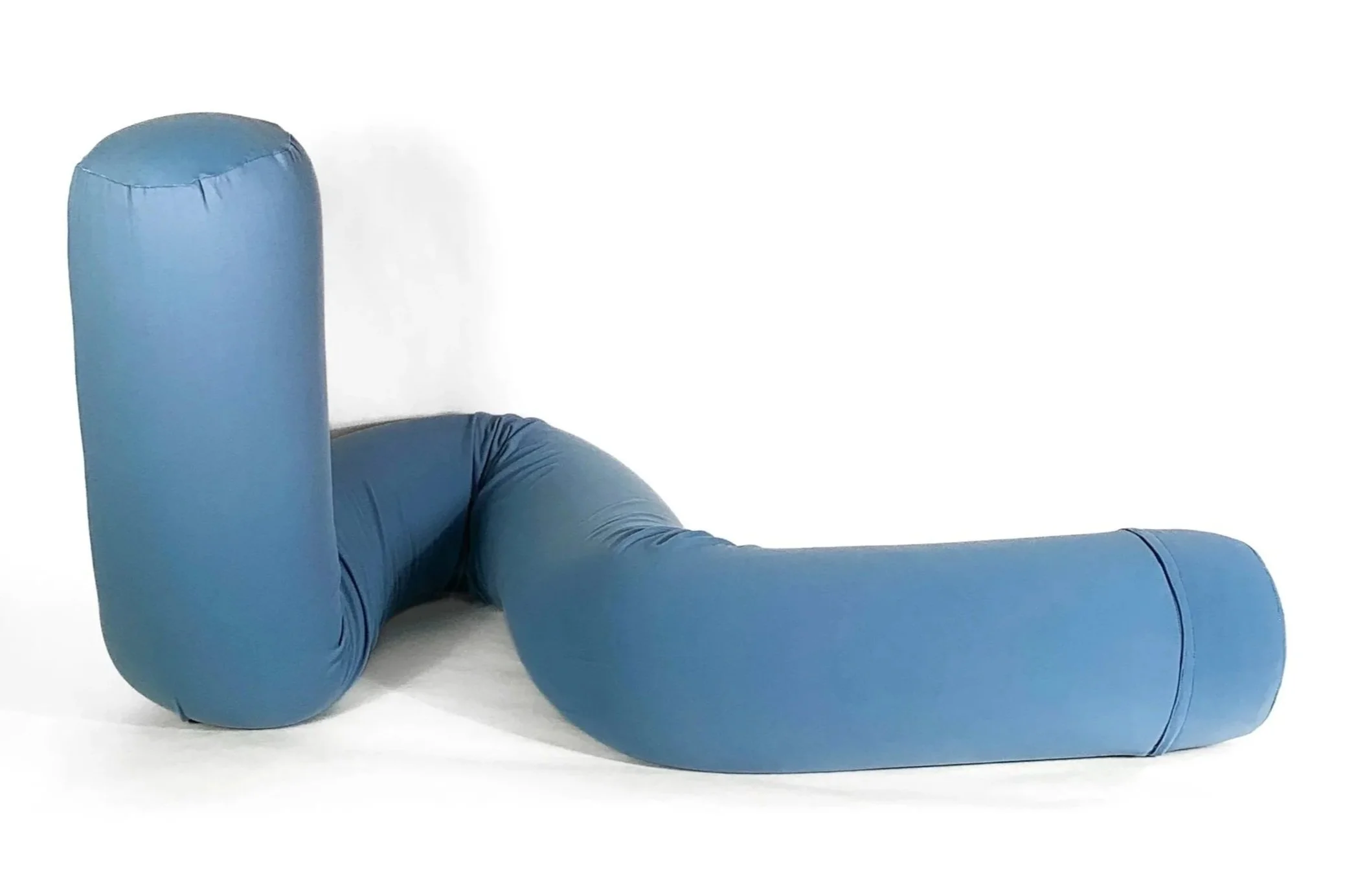
Though body pillows assist with some of the struggles of side-sleeping, they are still a one-size-fits-all model, and are easy to misuse once in an unconscious state. Explore intentional support without excessive bulk or effort from the user, accommodate multiple user-defined configurations.
IDEATION +
EXPLORATION
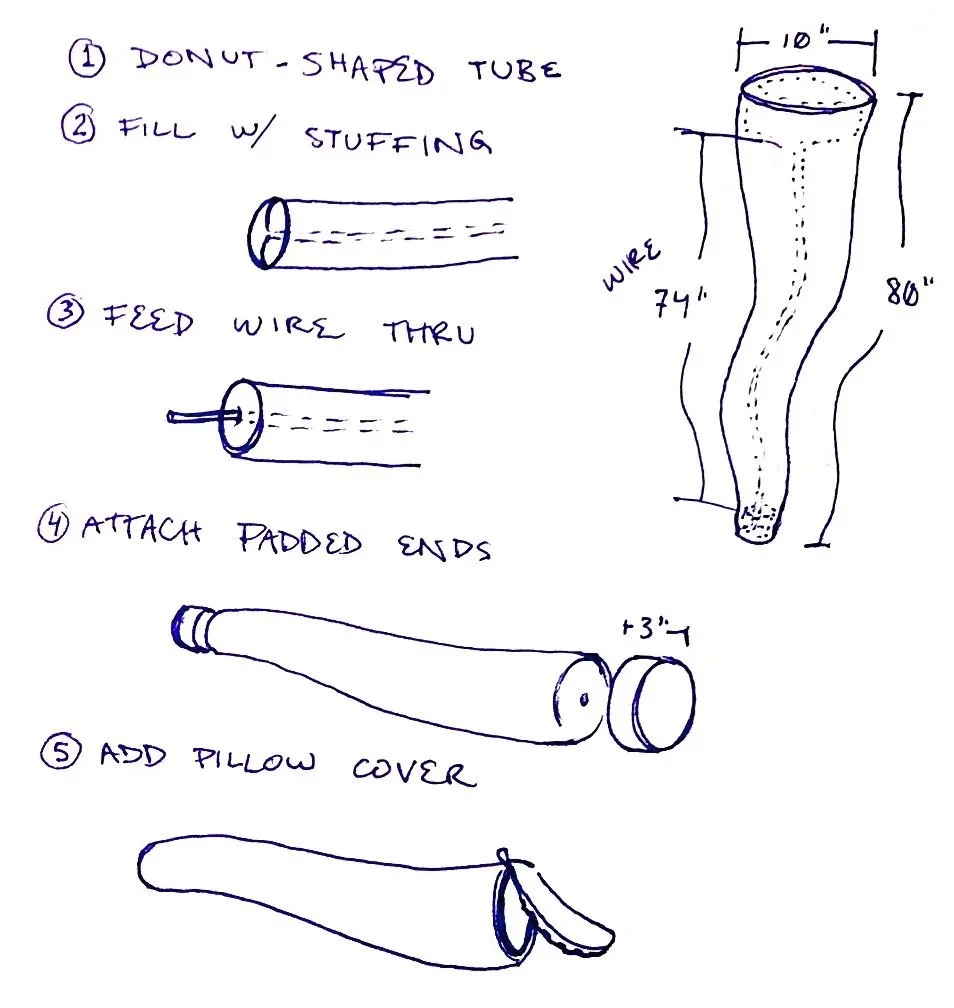
Ideation Sketches • to visualize options for execution
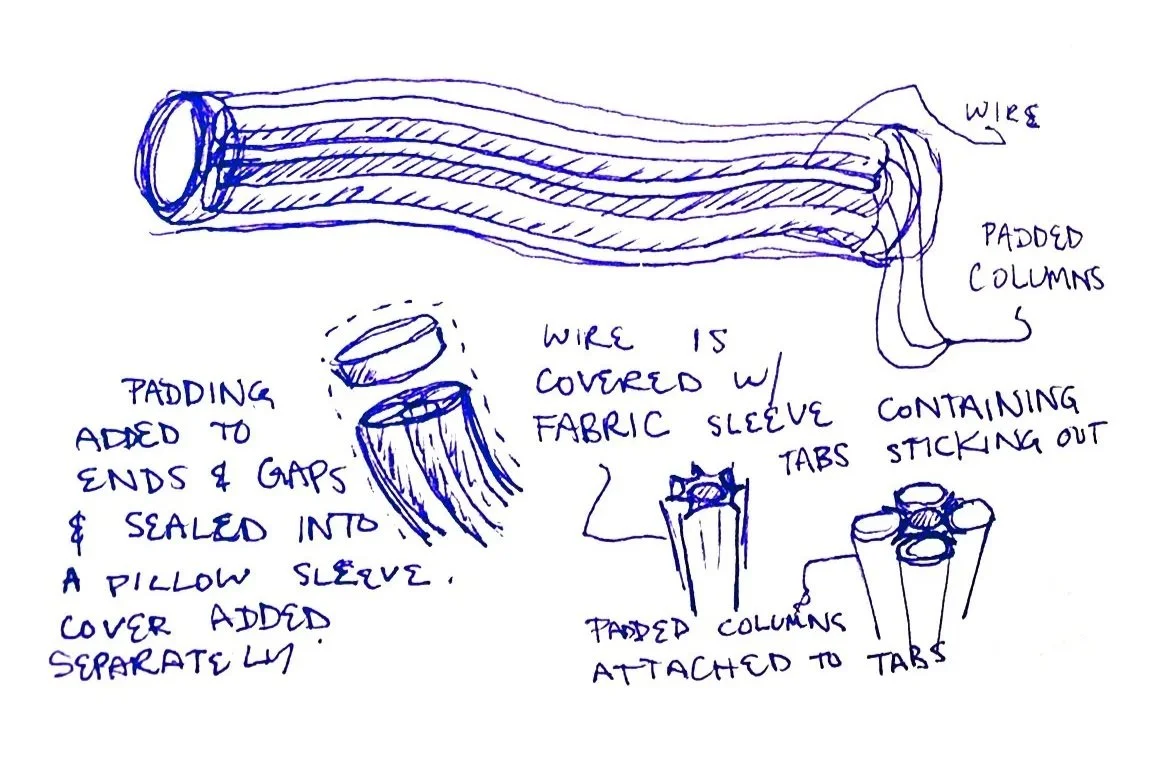
Scaled Prototype • to validate production method
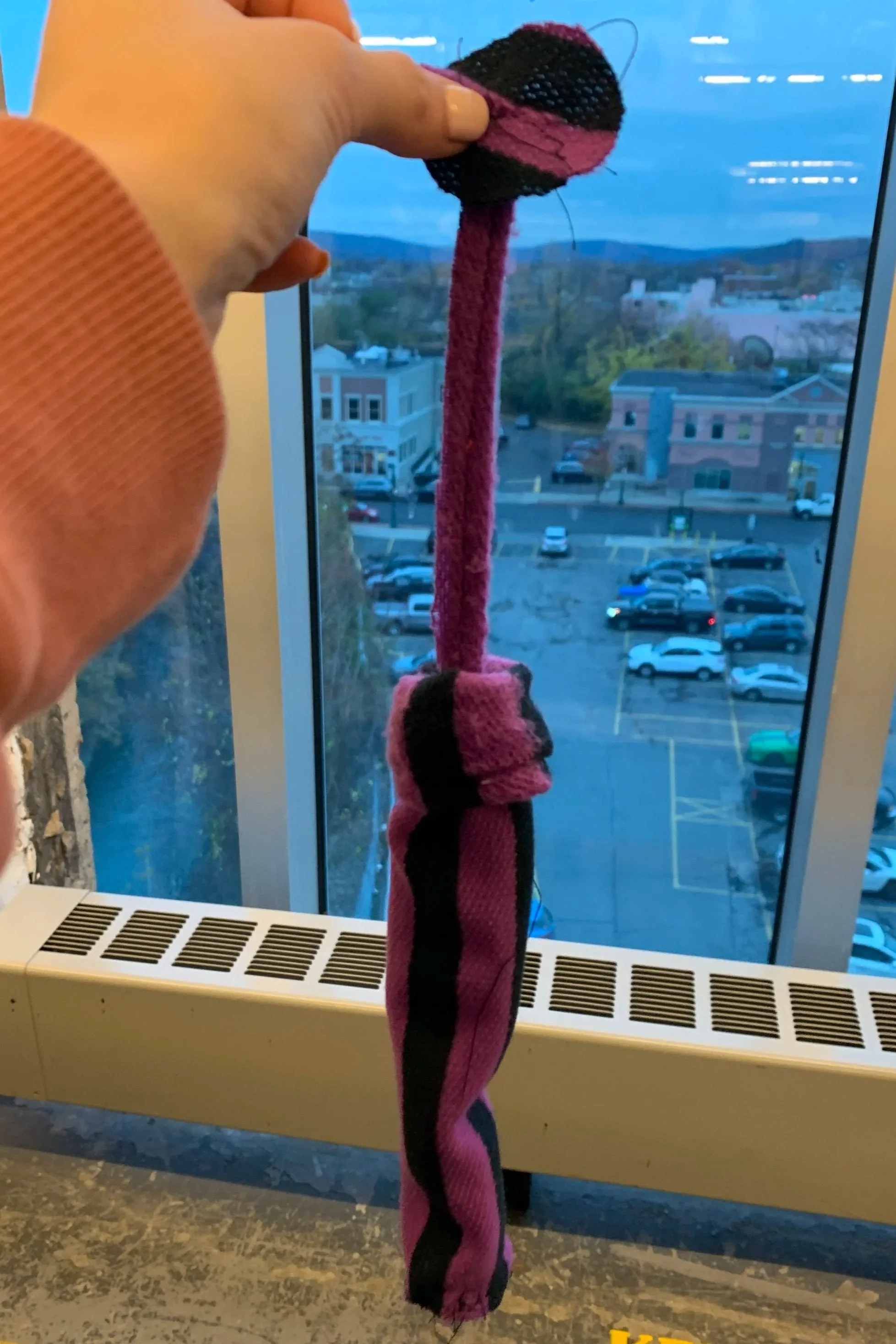
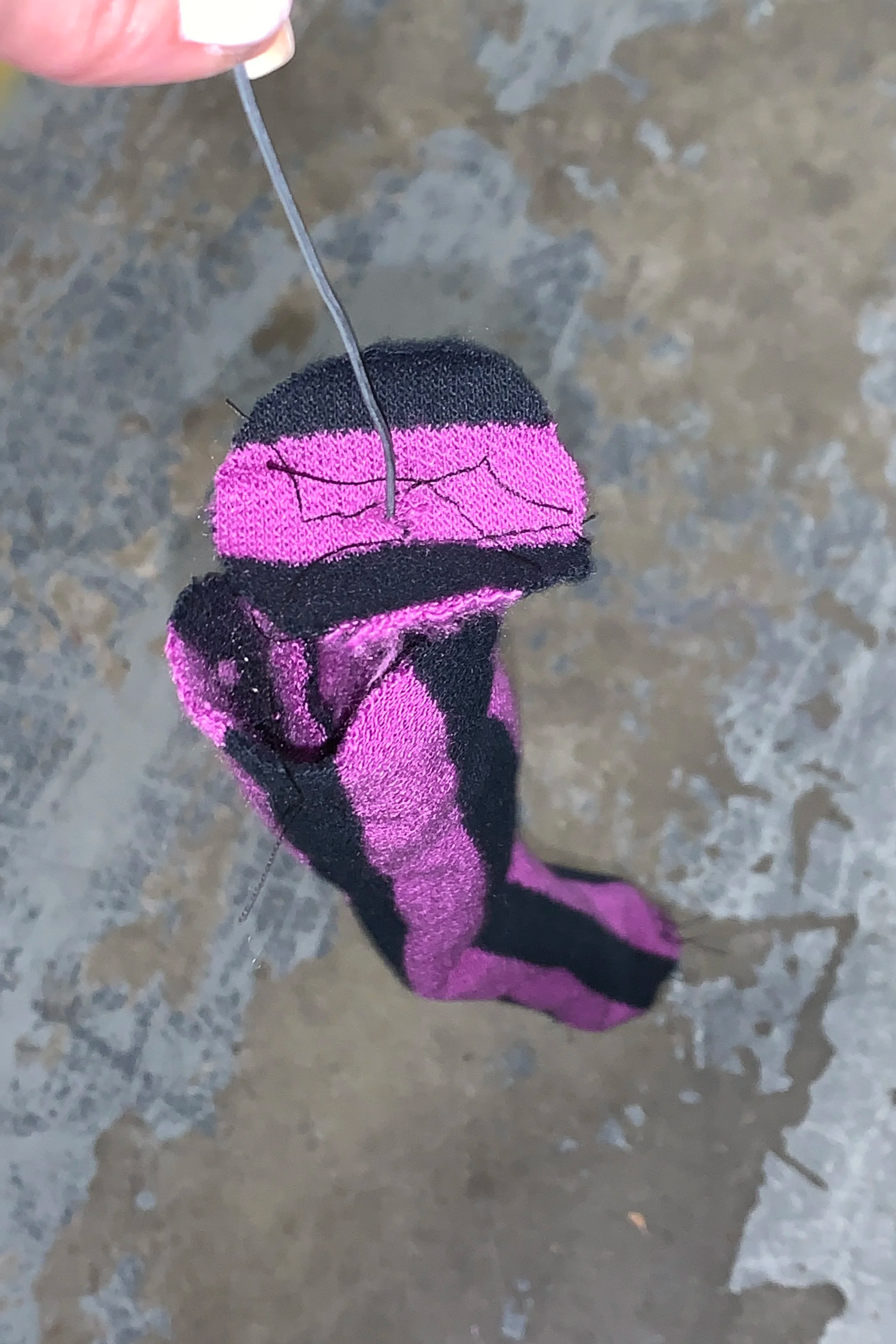
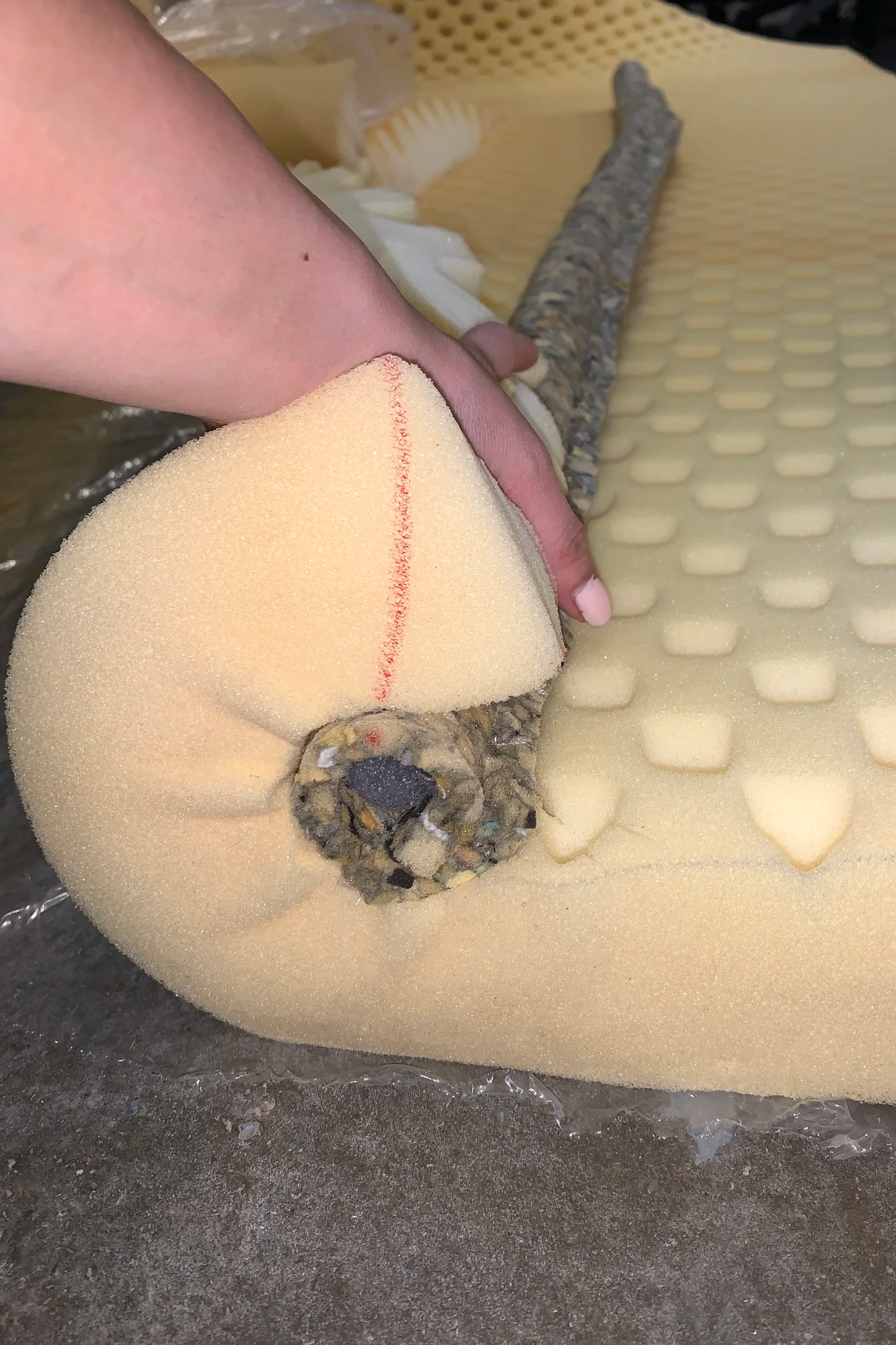
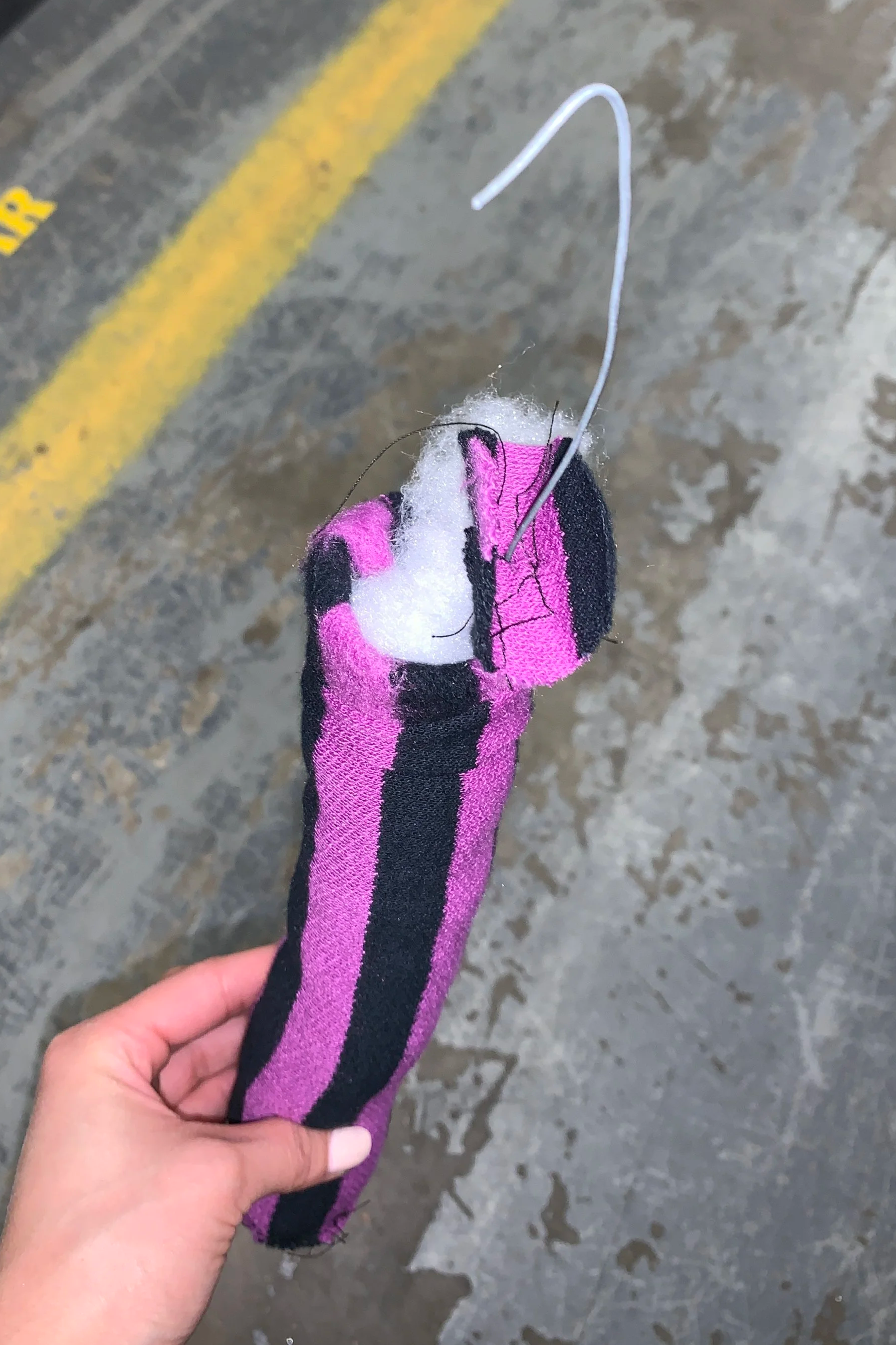
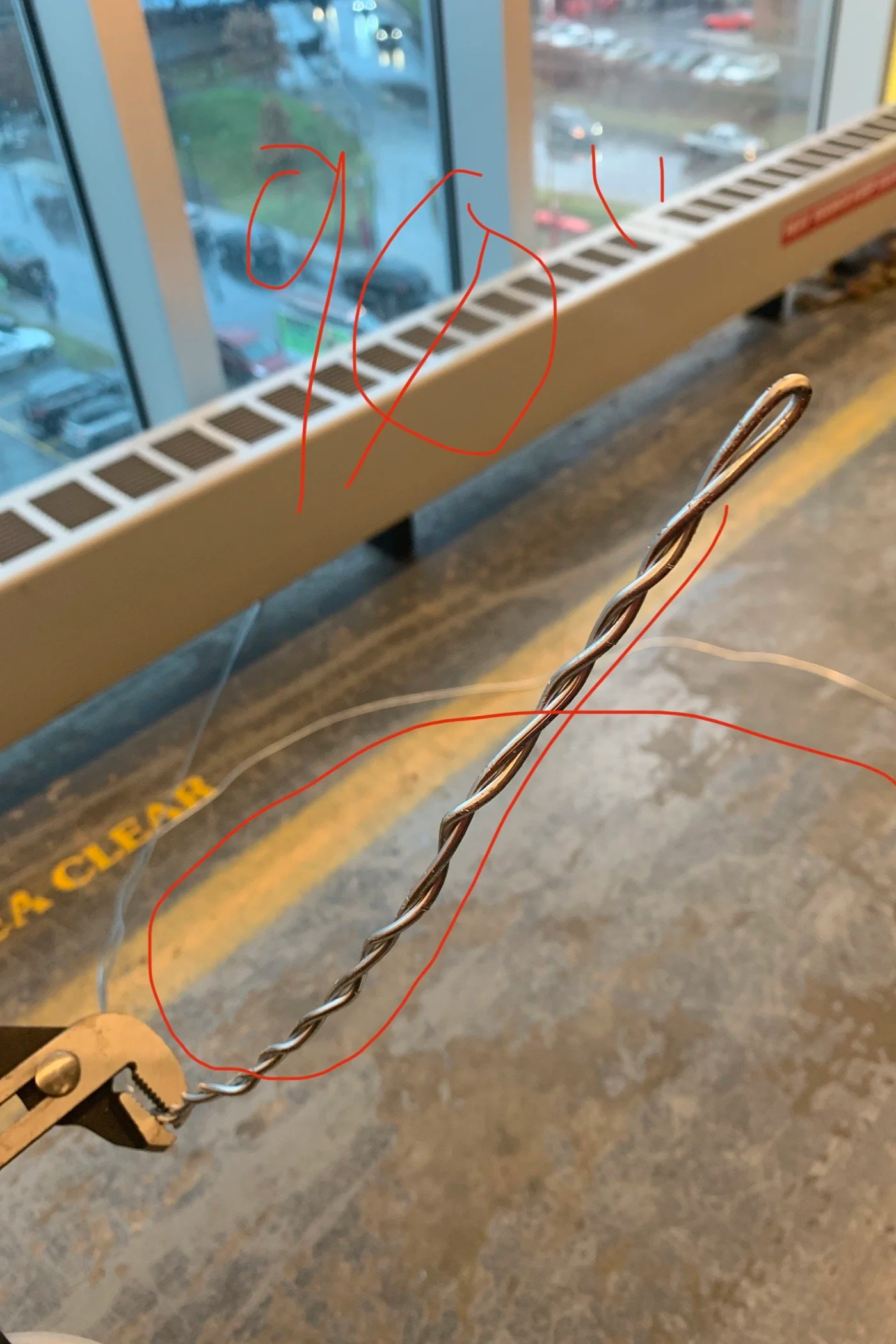
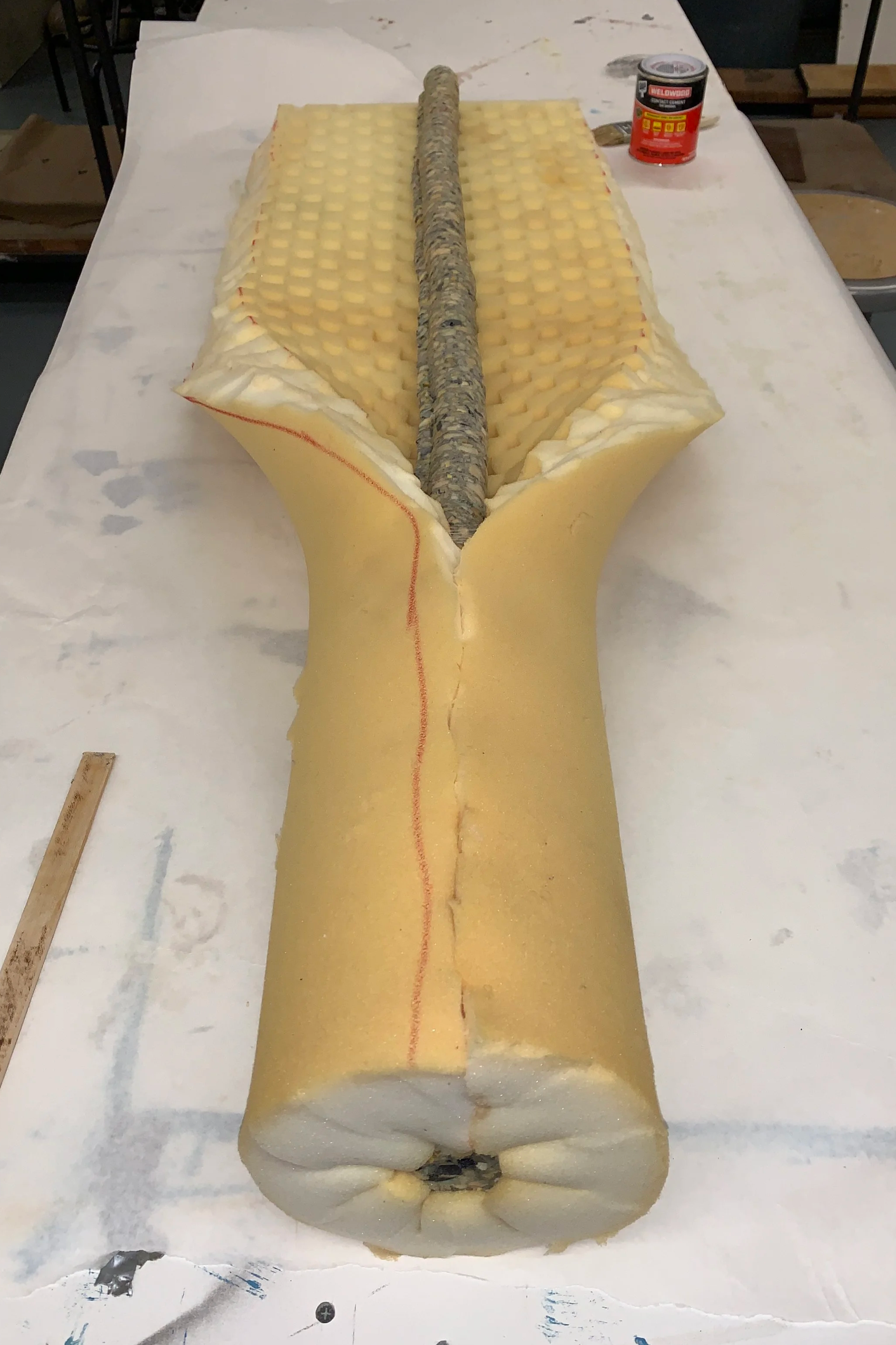
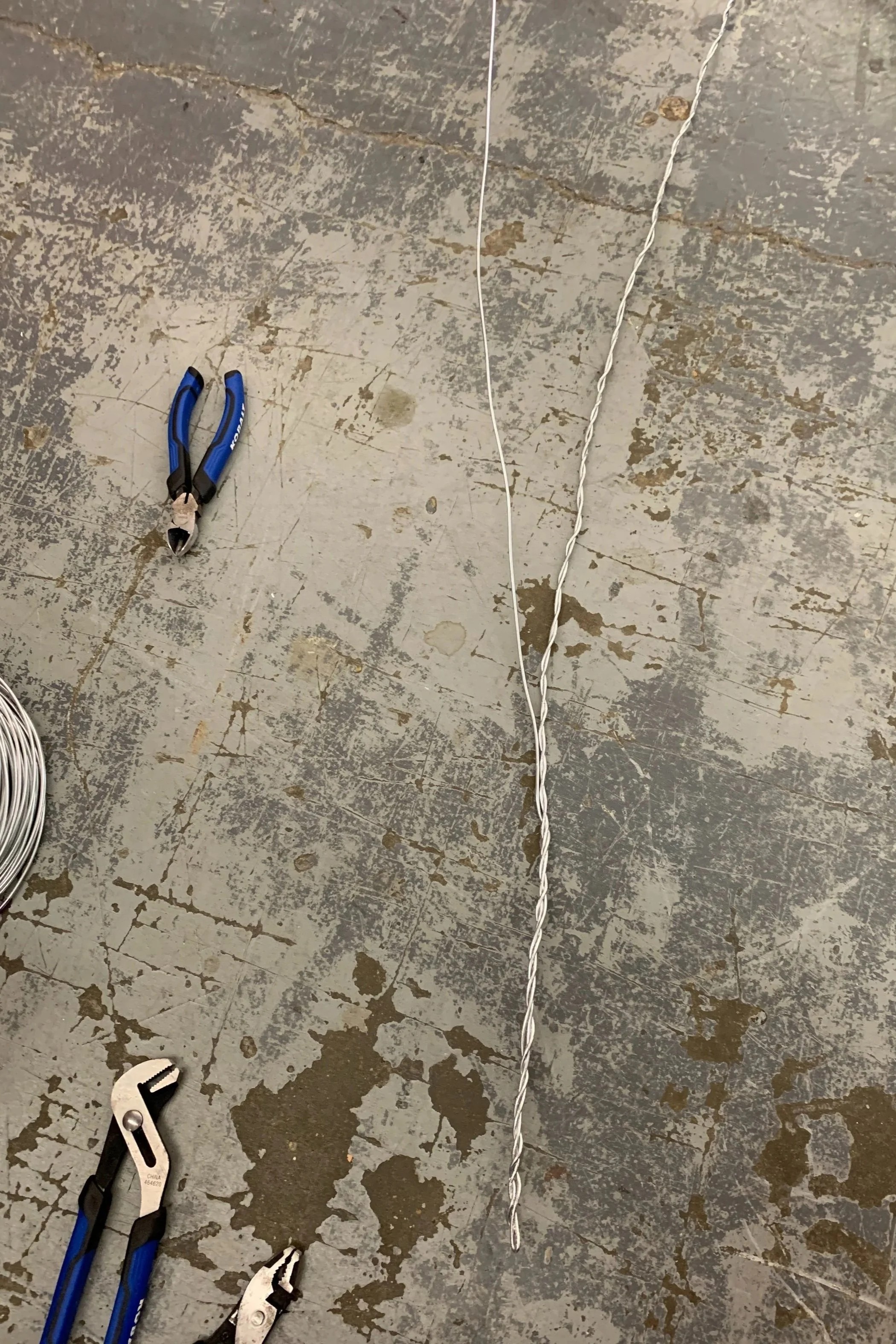
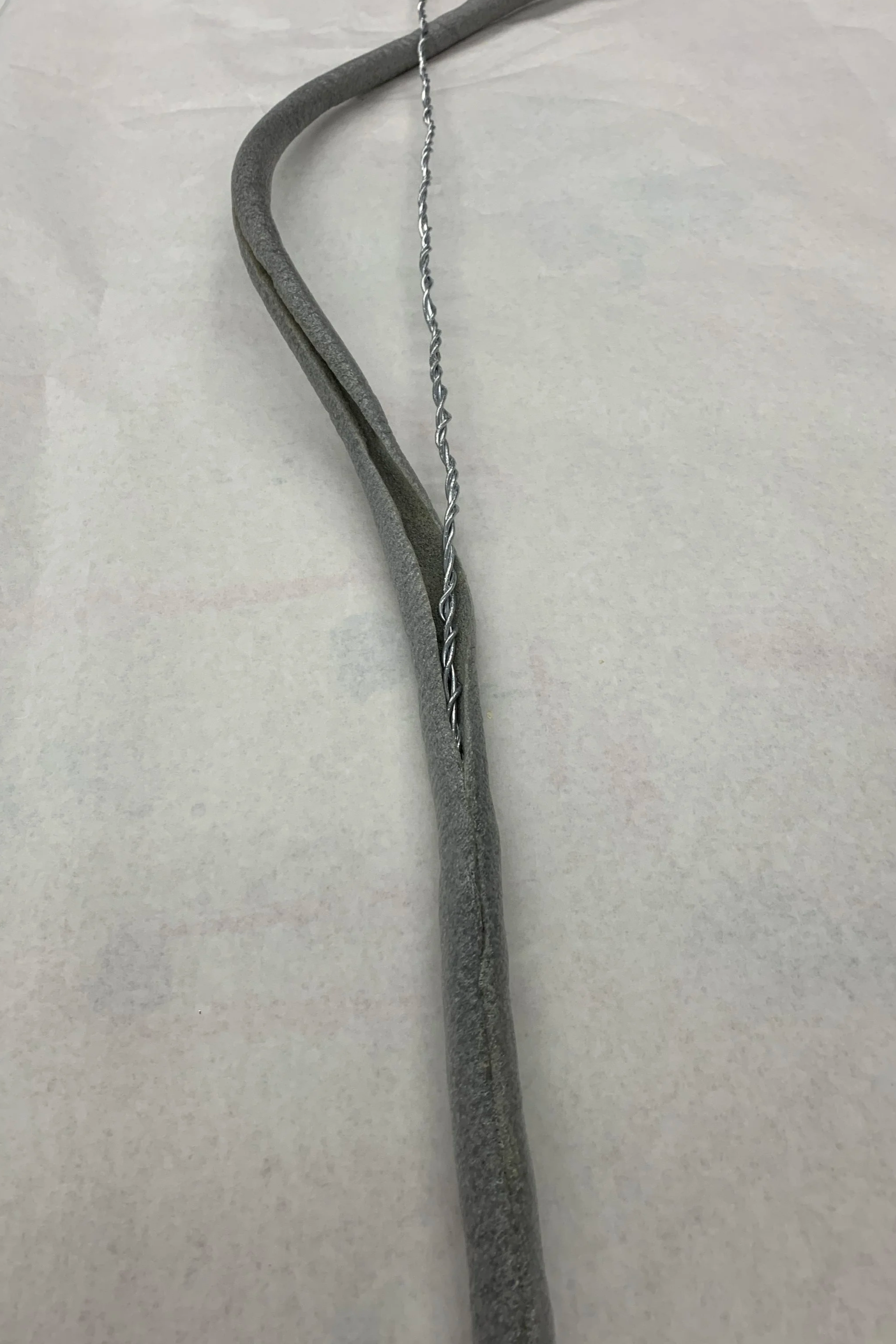
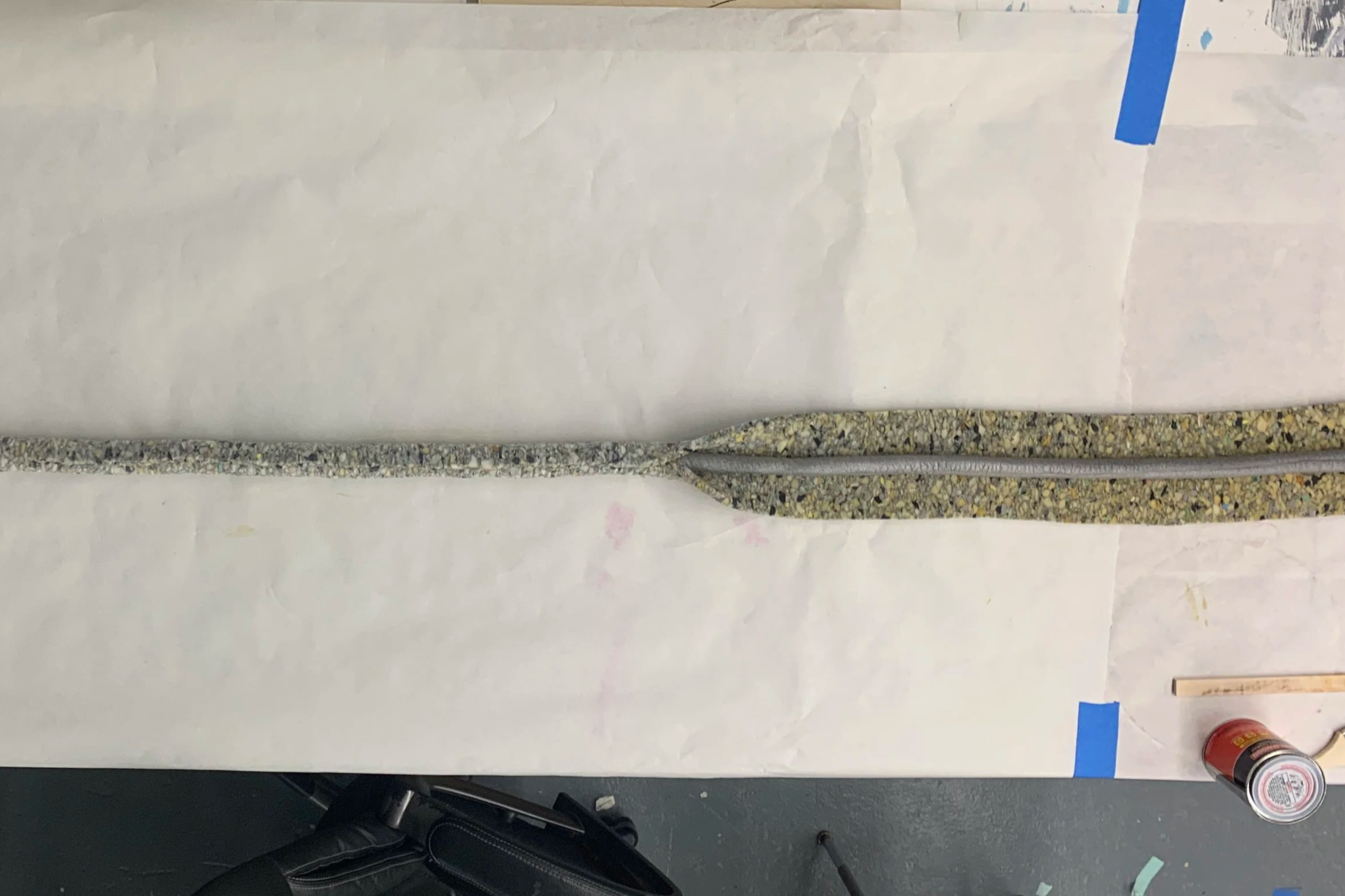
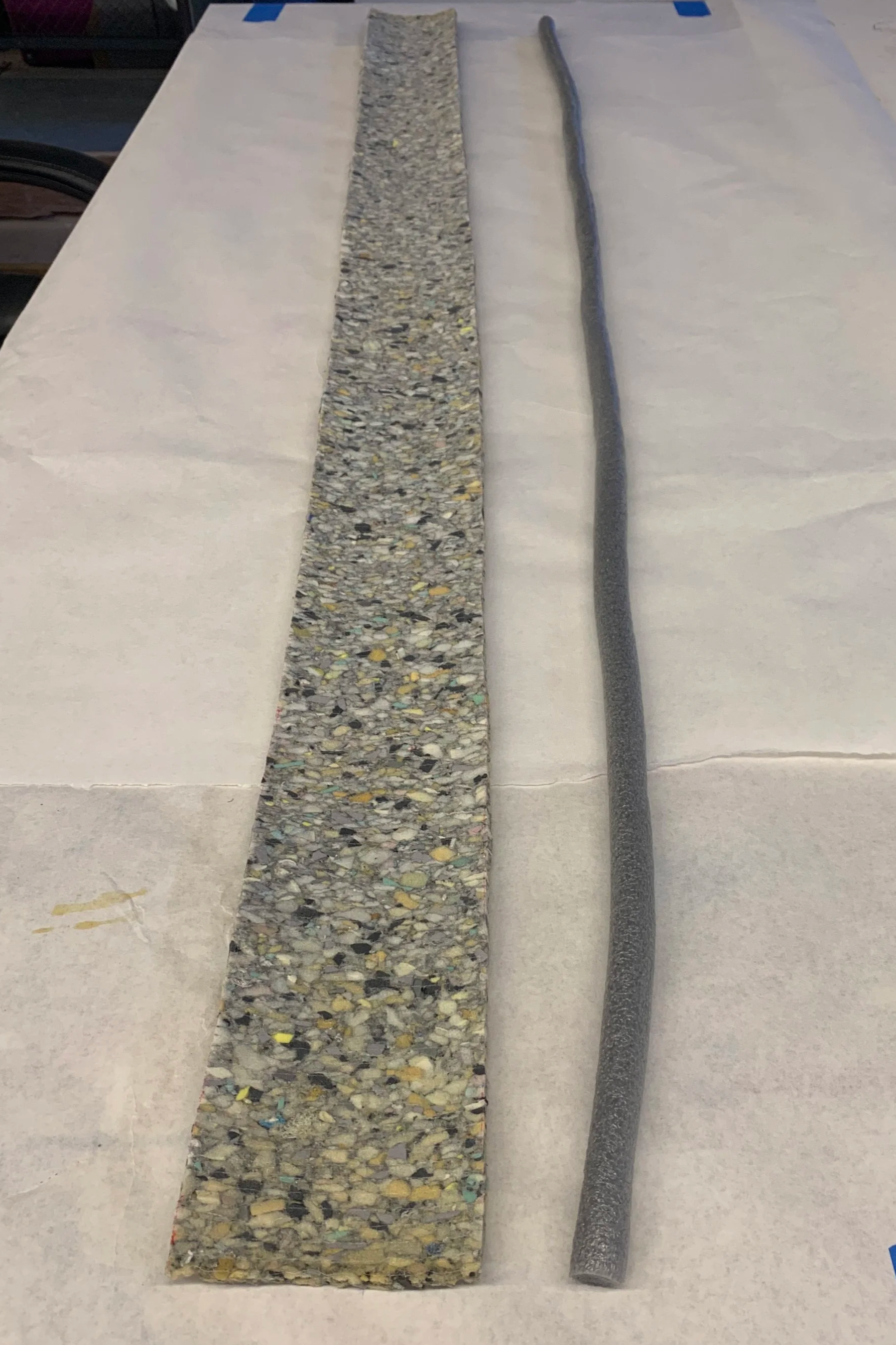
Redirection • around the time of building the scaled prototype, I was donated some second-hand mattress toppers and roll of carpet pad. This launched the creation of a second, more accurately sized prototype, where the “guts” of the pillow housed the moldable wire in a way that didn’t let it move around freely, and also prevented the stuffing from becoming flat and limp, therefore maximizing support and comfort, a feature which competitor products lacked.
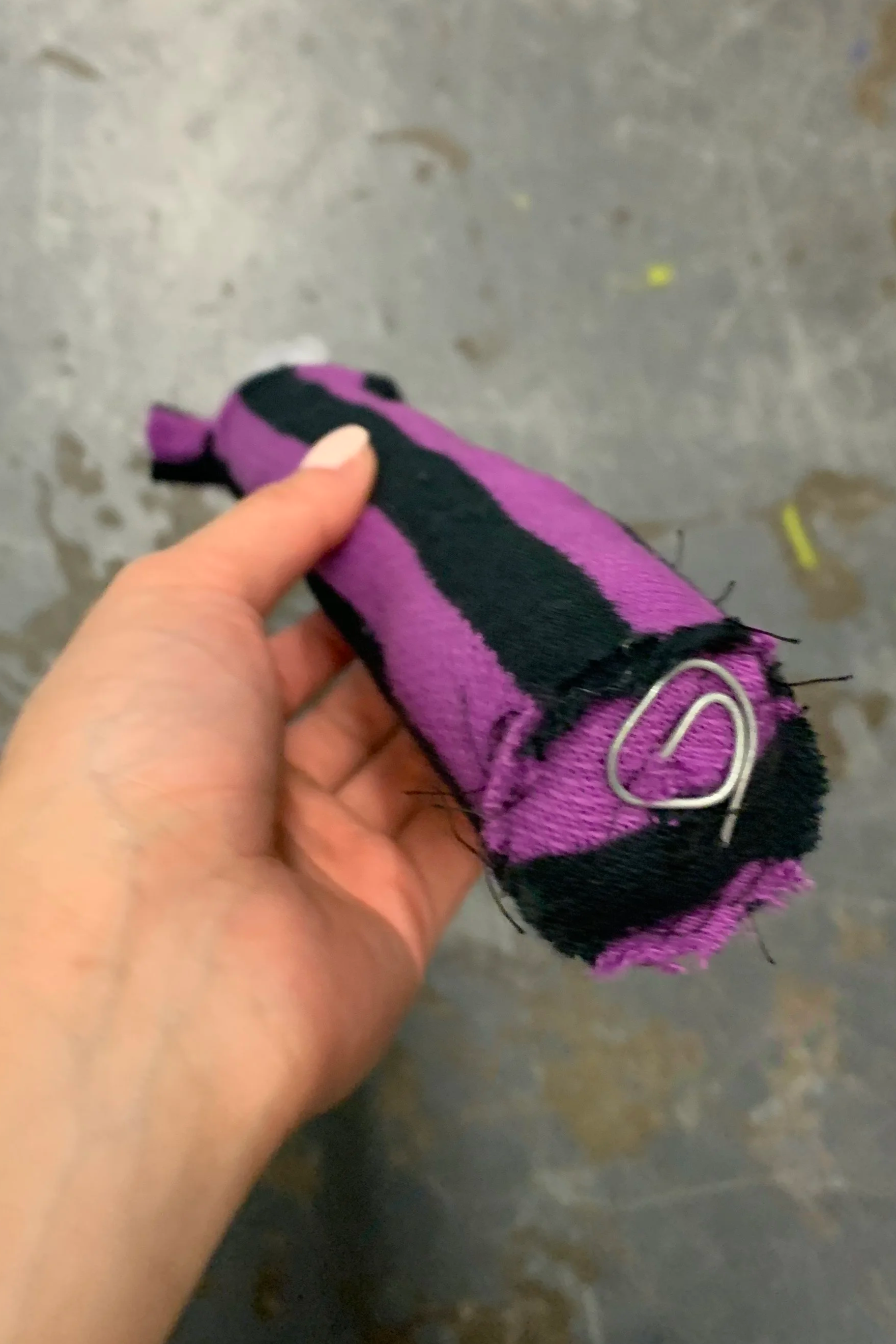
*Findings: Stuffing is too fluid in this format to house the wire without it poking out at awkward angles and interrupting a seamless cushioned experience. No convenient way to secure ends of the wire to the pillow stuffing or housing.
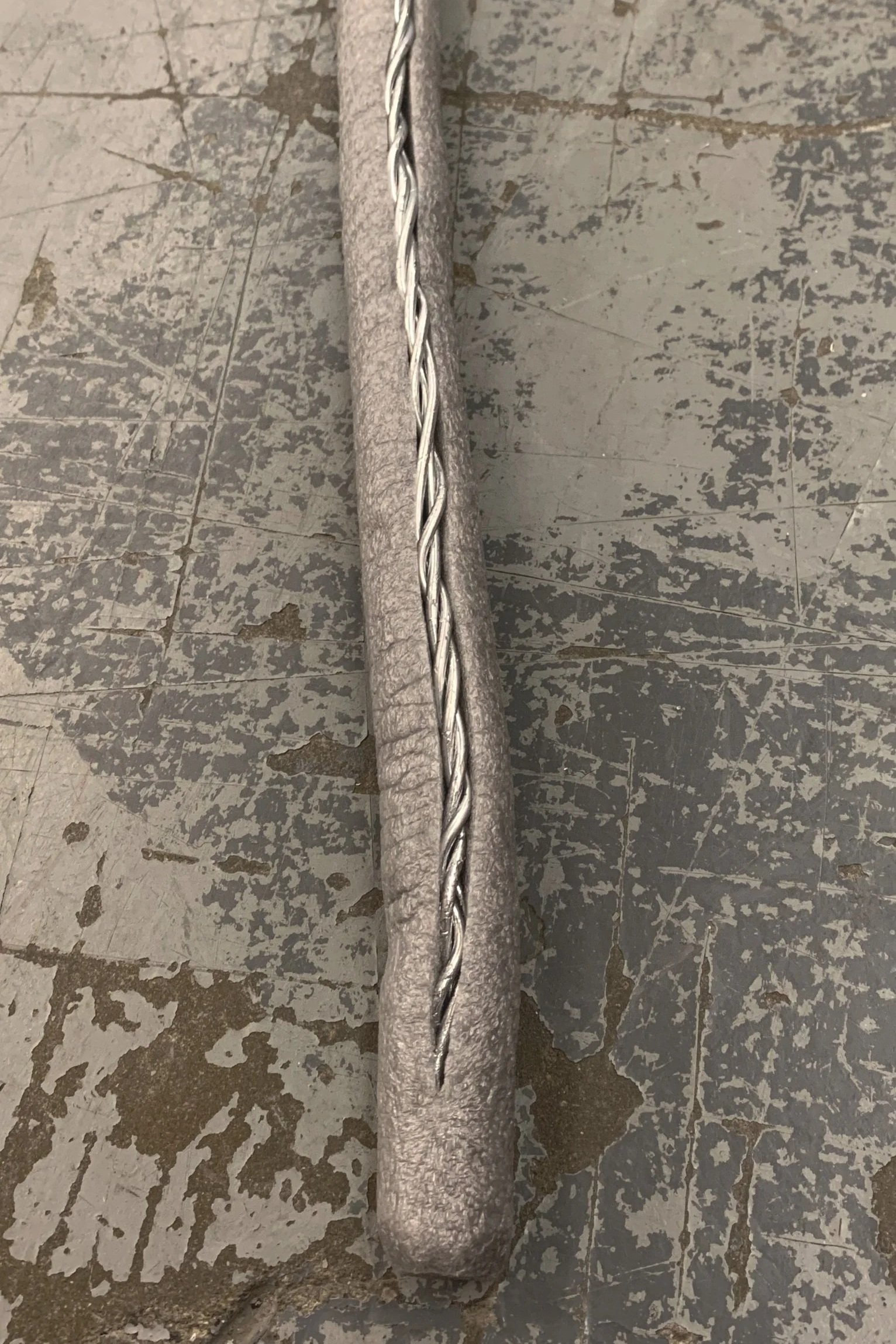
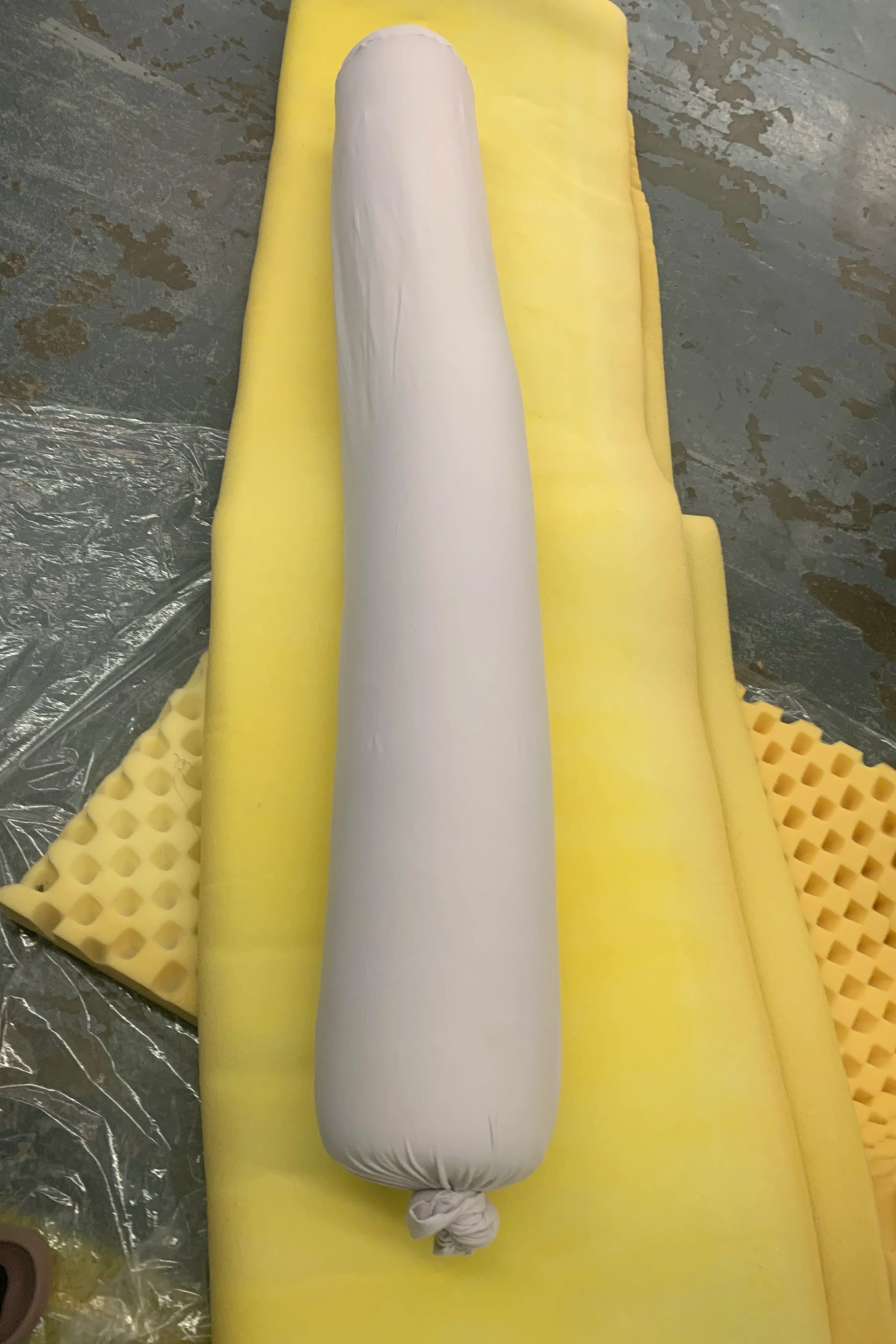
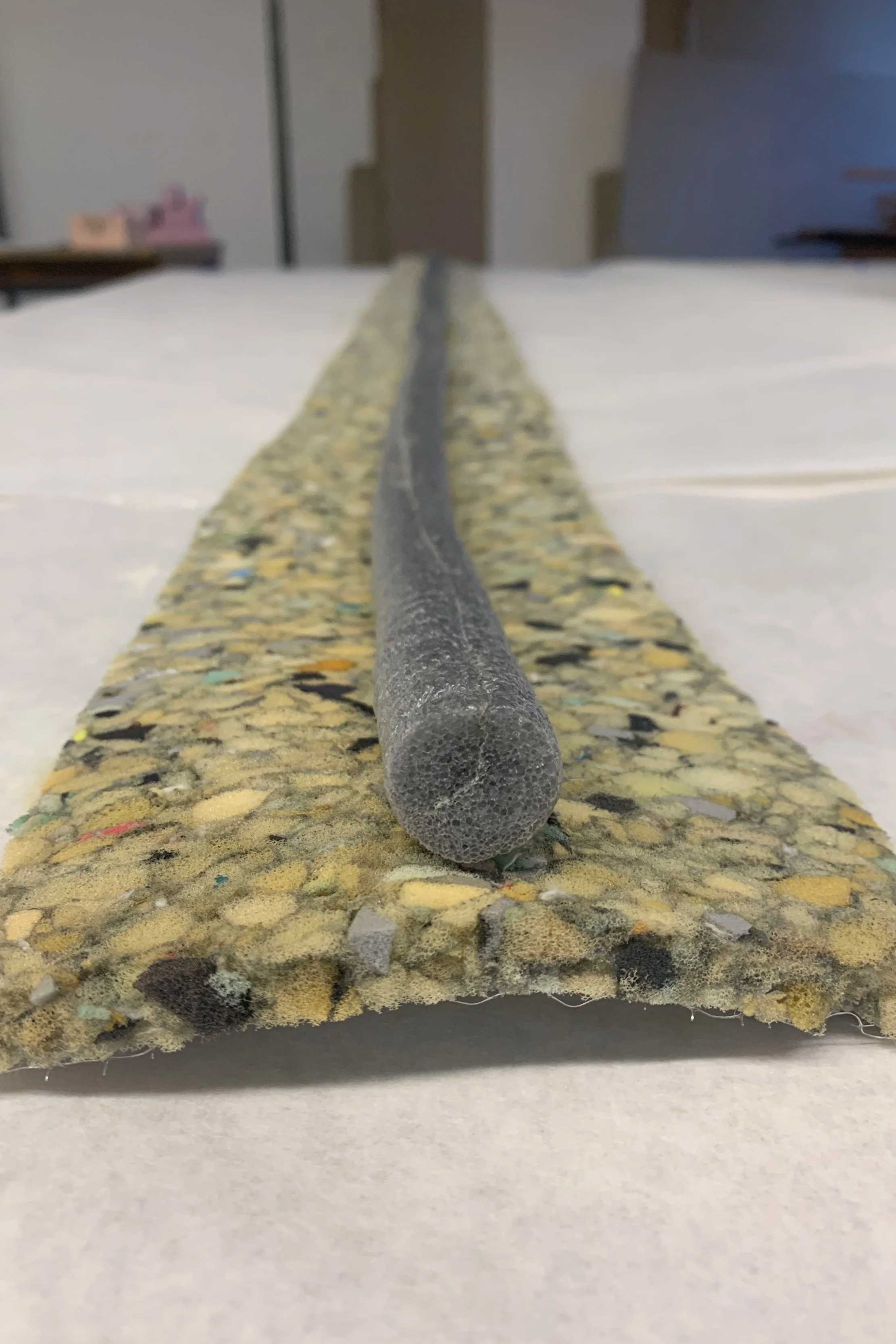
*Findings: 2 layers of wire is not stable enough to hold shape with the added weight/resistance of the thick memory foam layer; final should use more wire for more stability. Layering materials to sandwich the wire into the center works well to prevent the user from ever feeling the rigidity of the wire.
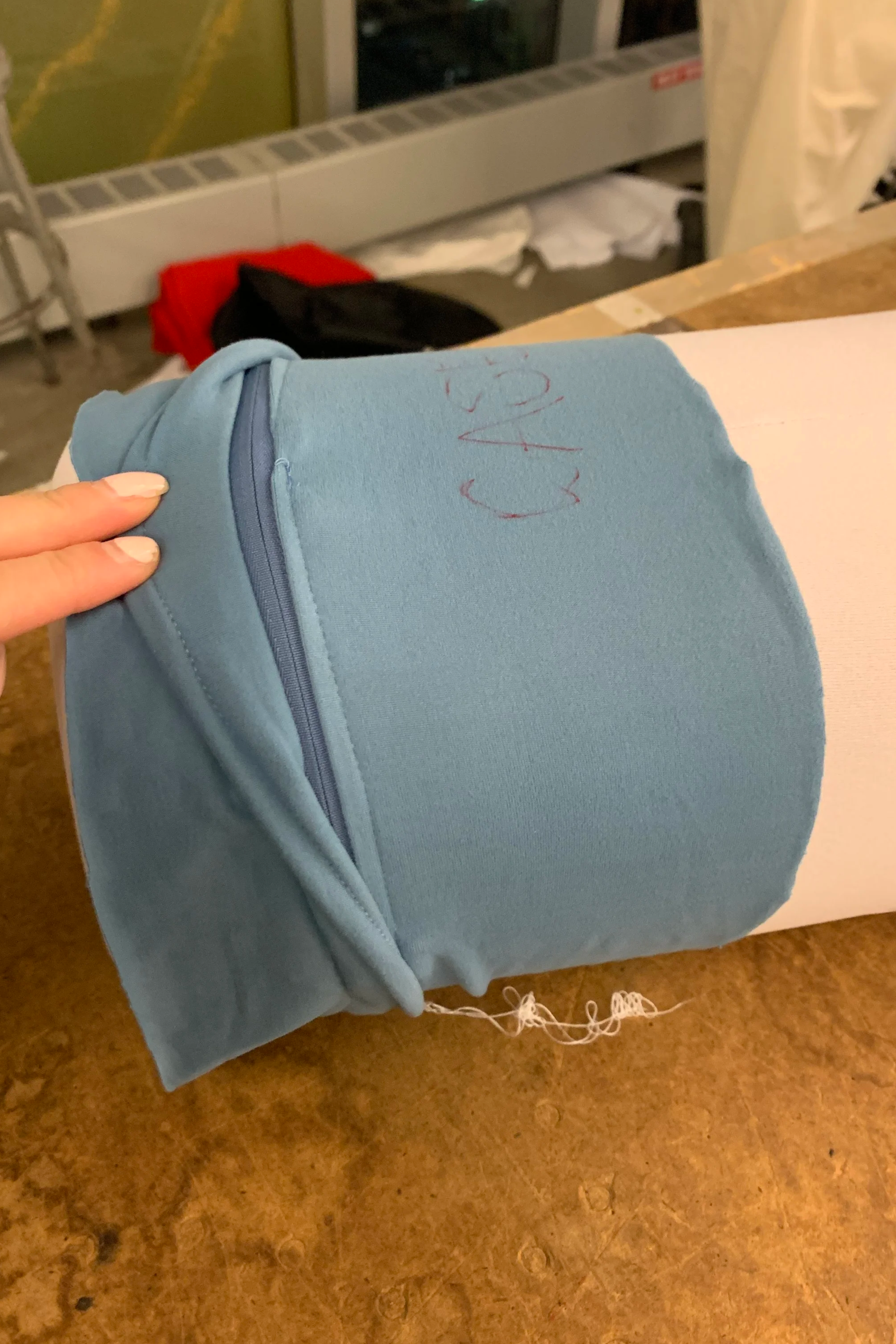
Pillow Cover and Casing Ideation • to plan the softgoods portion of the product
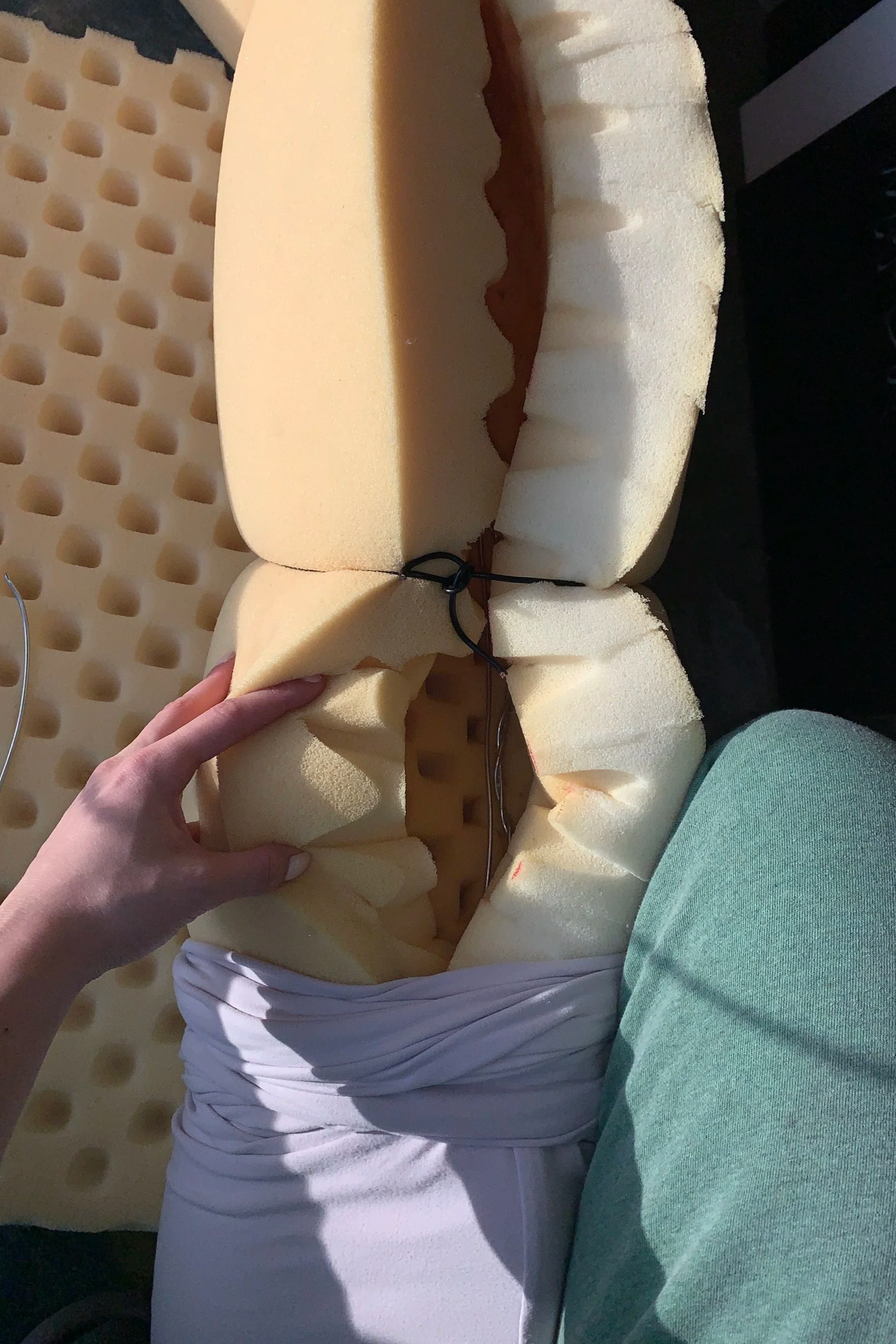
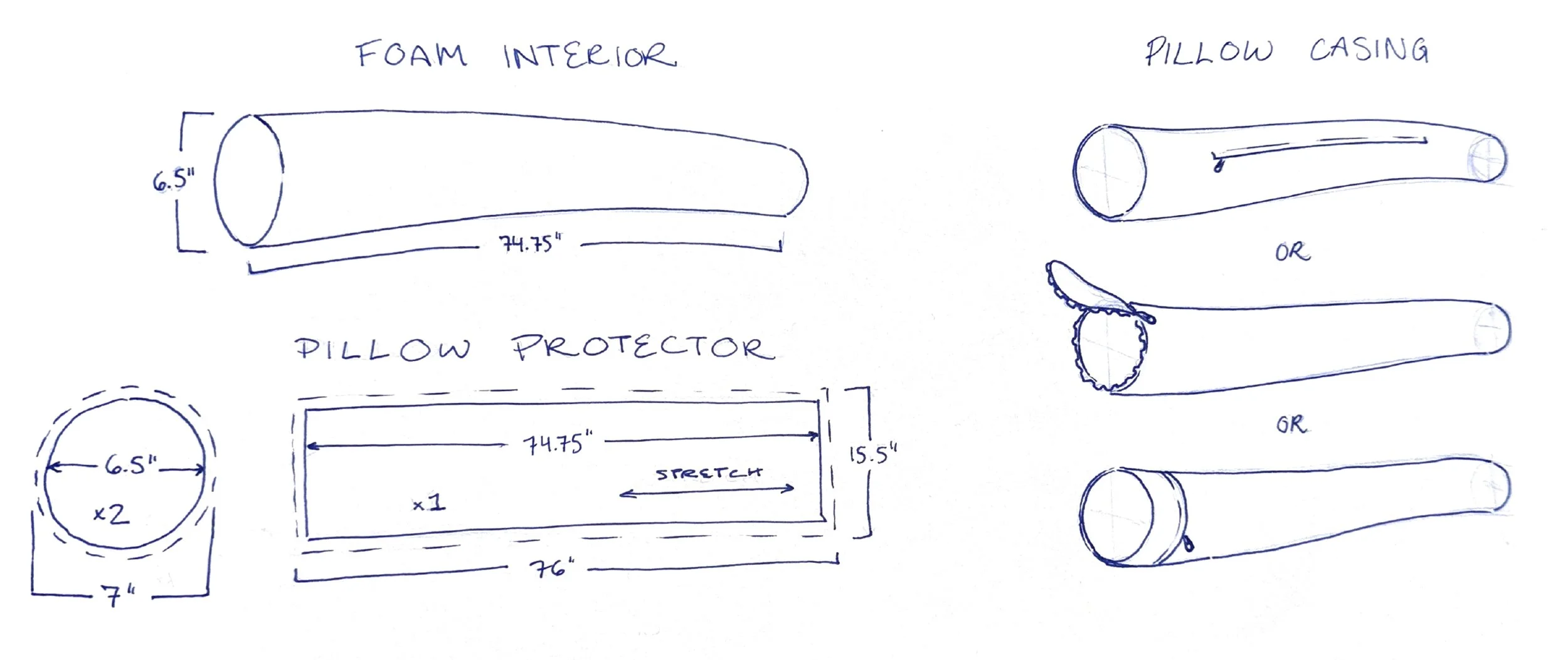
+ materialize the incorporation of the casing zipper in a way that won’t decrease user comfort
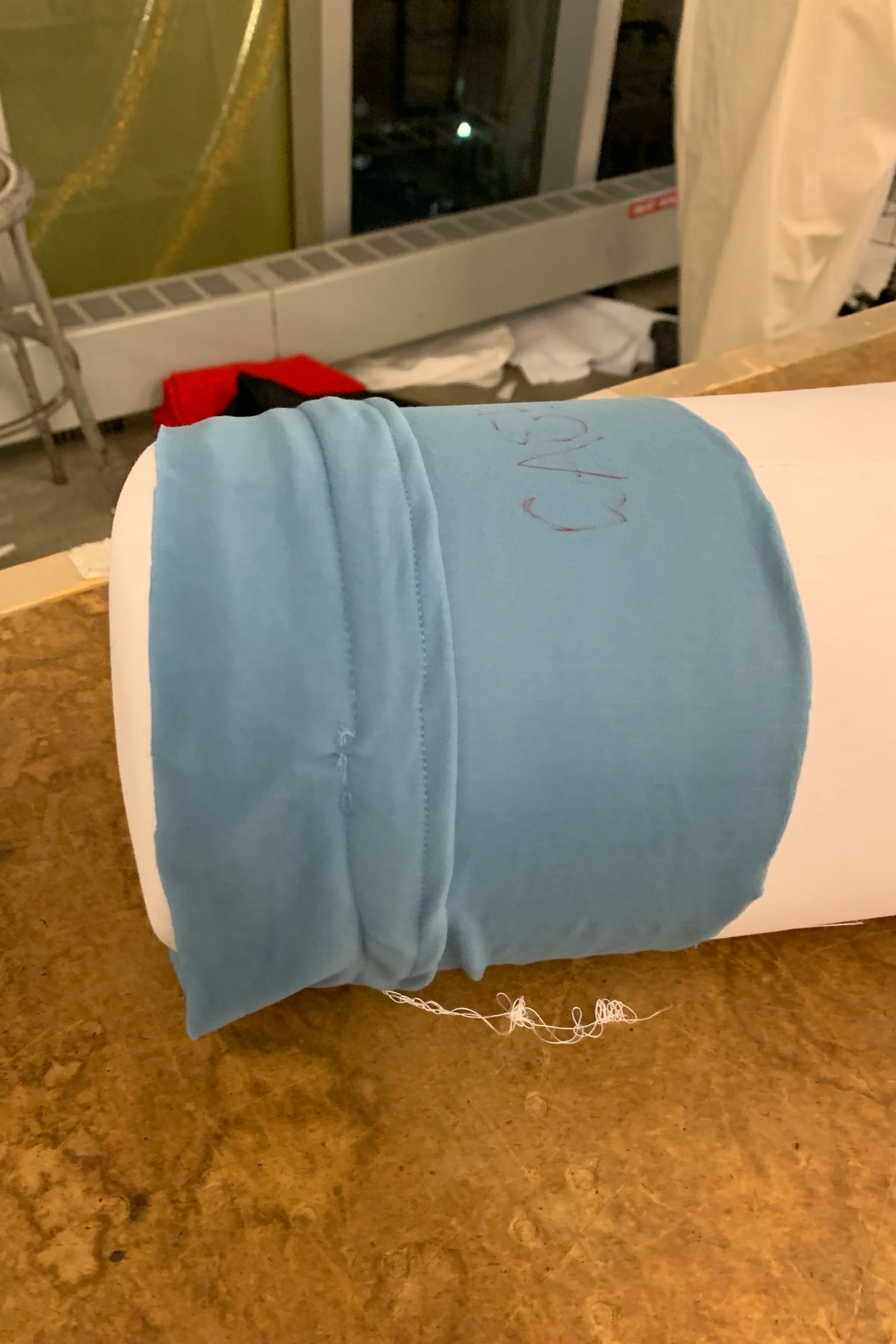
FINAL
PRODUCTION [STUFFING]
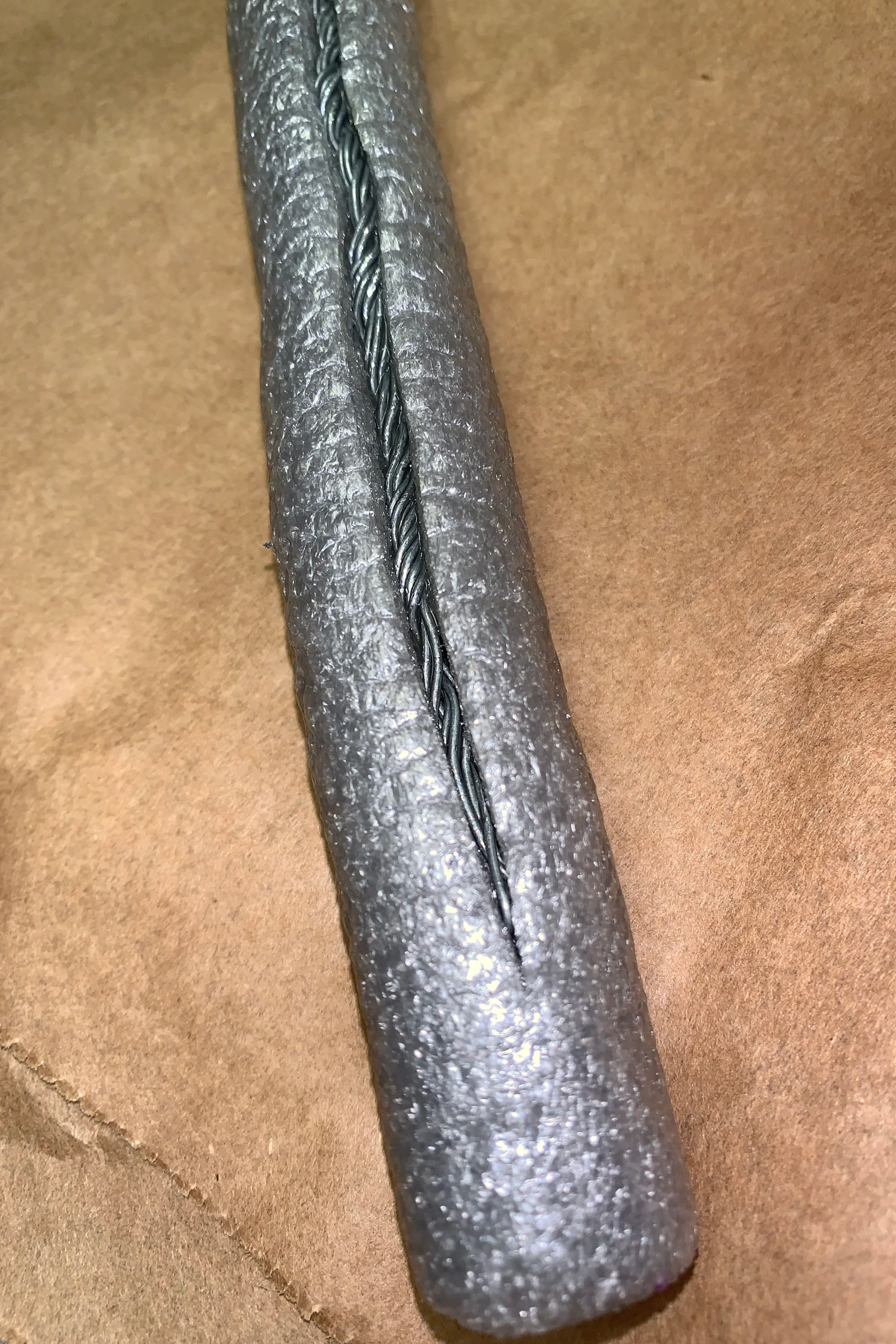
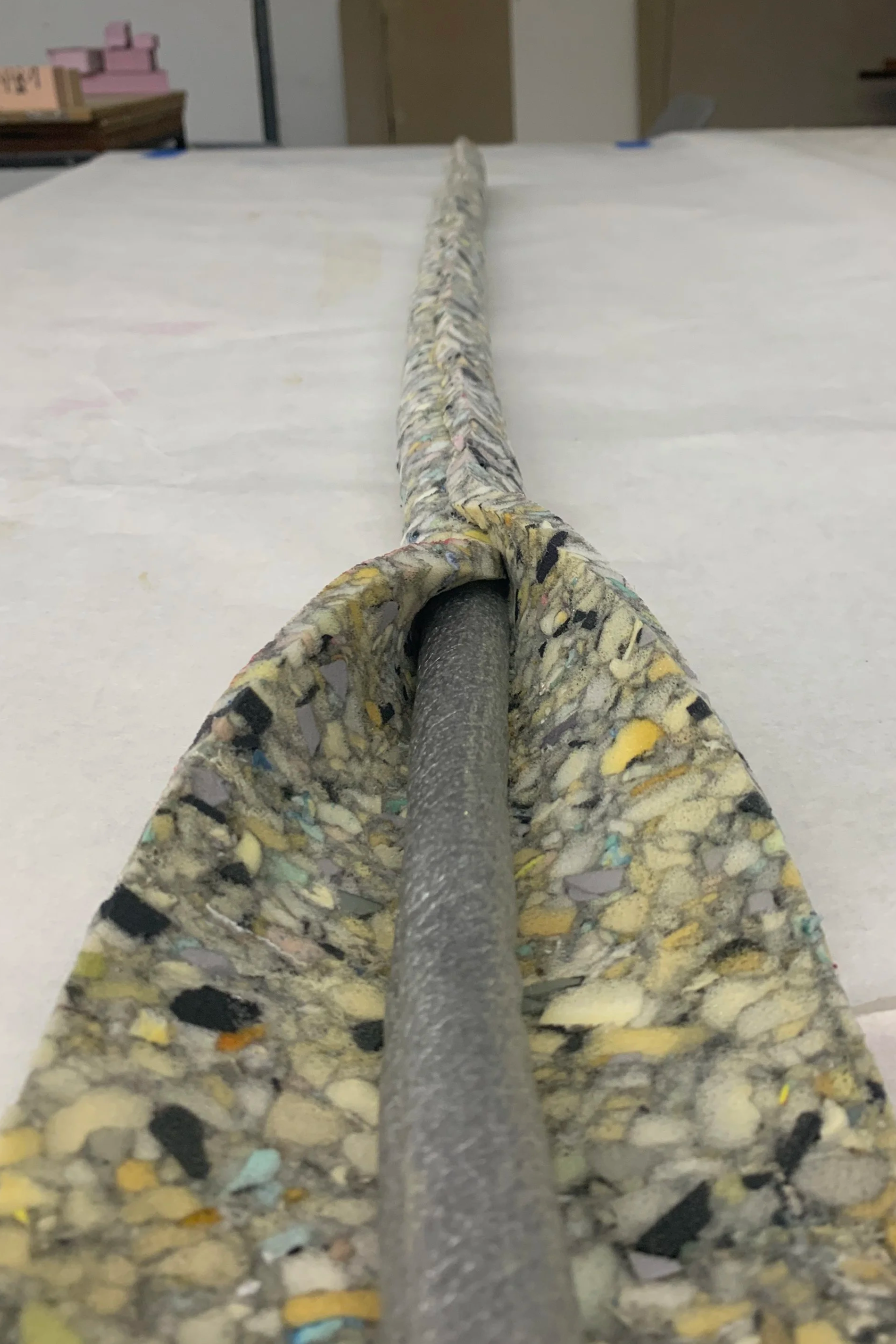
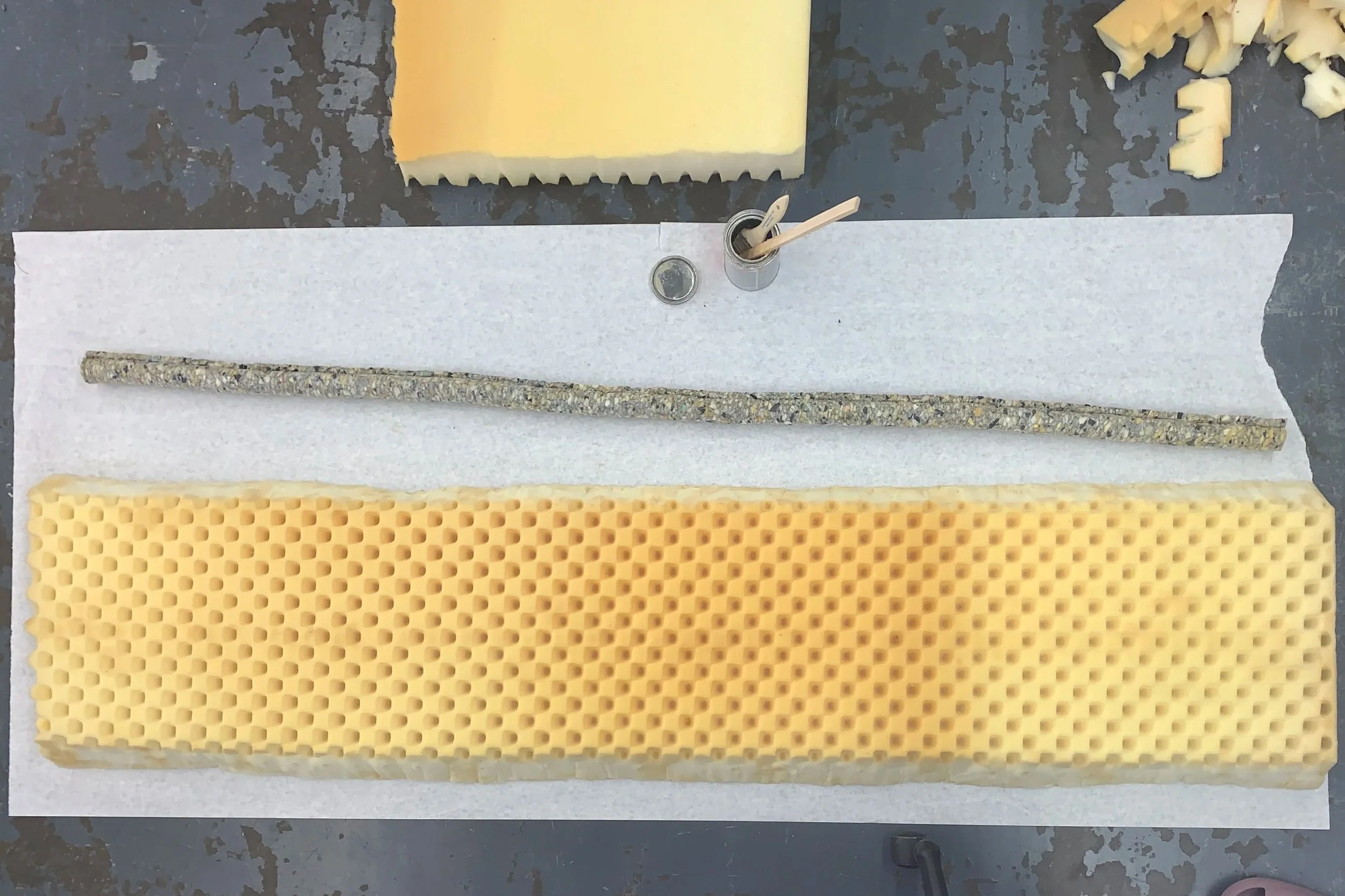
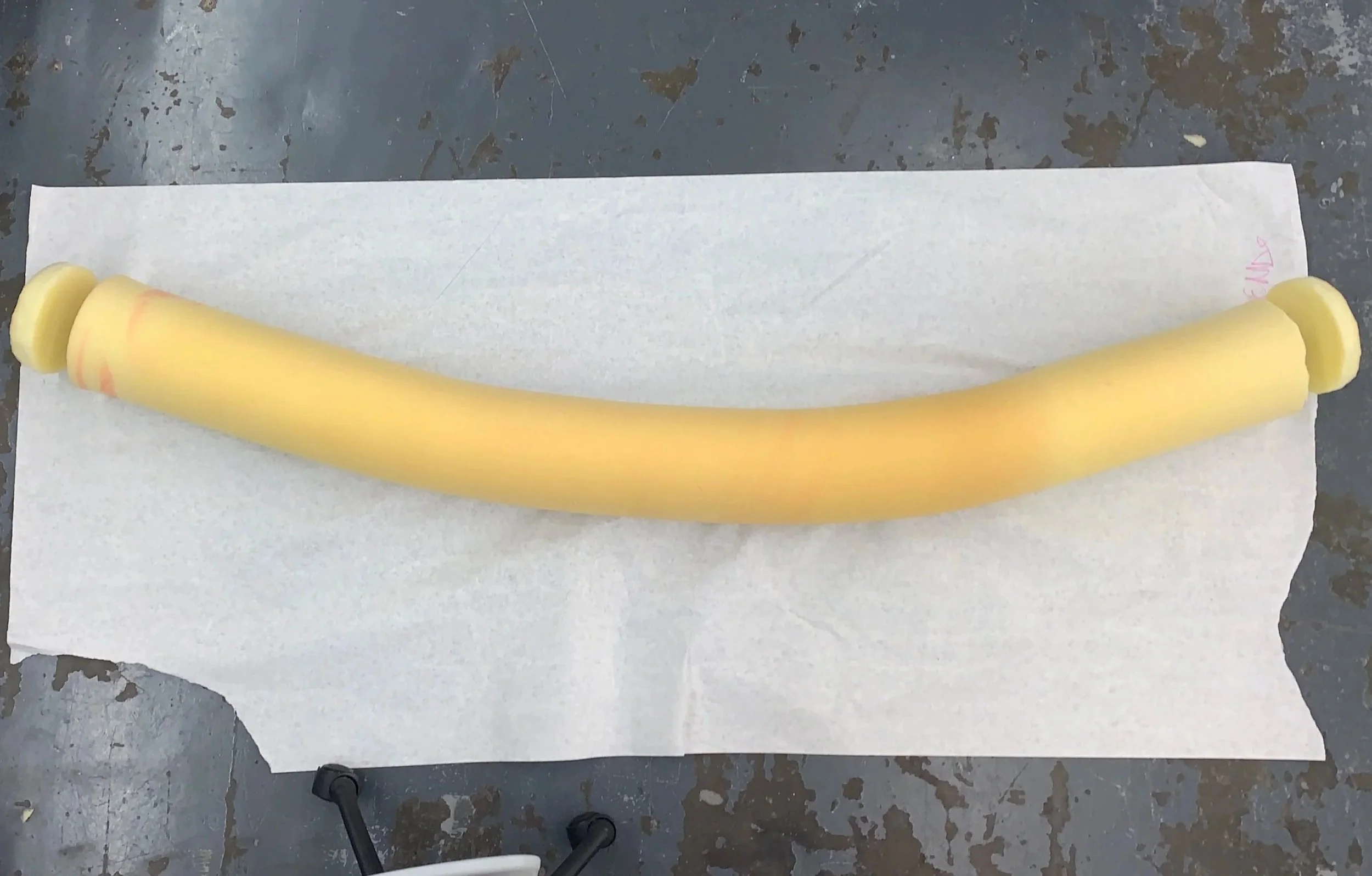
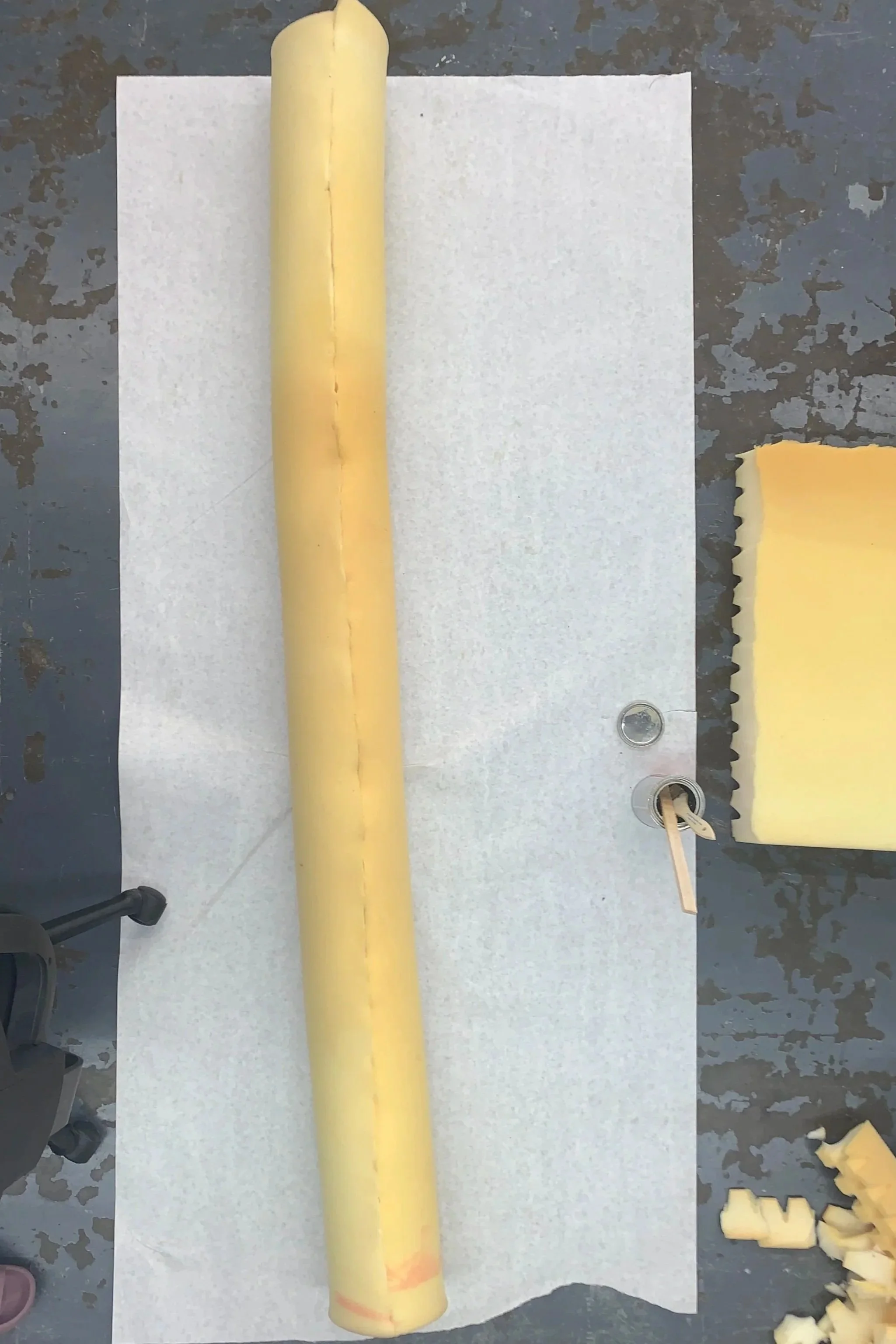
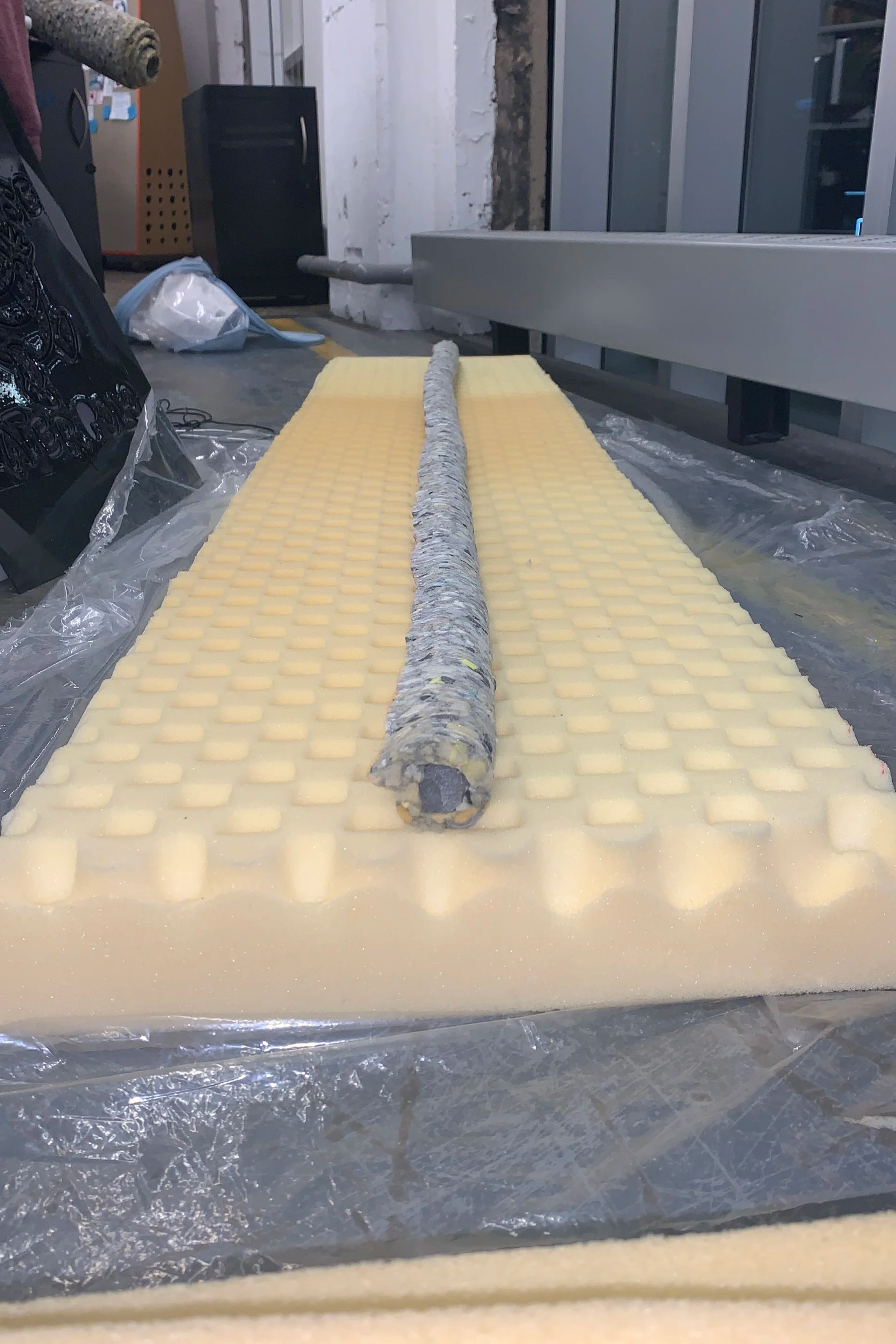
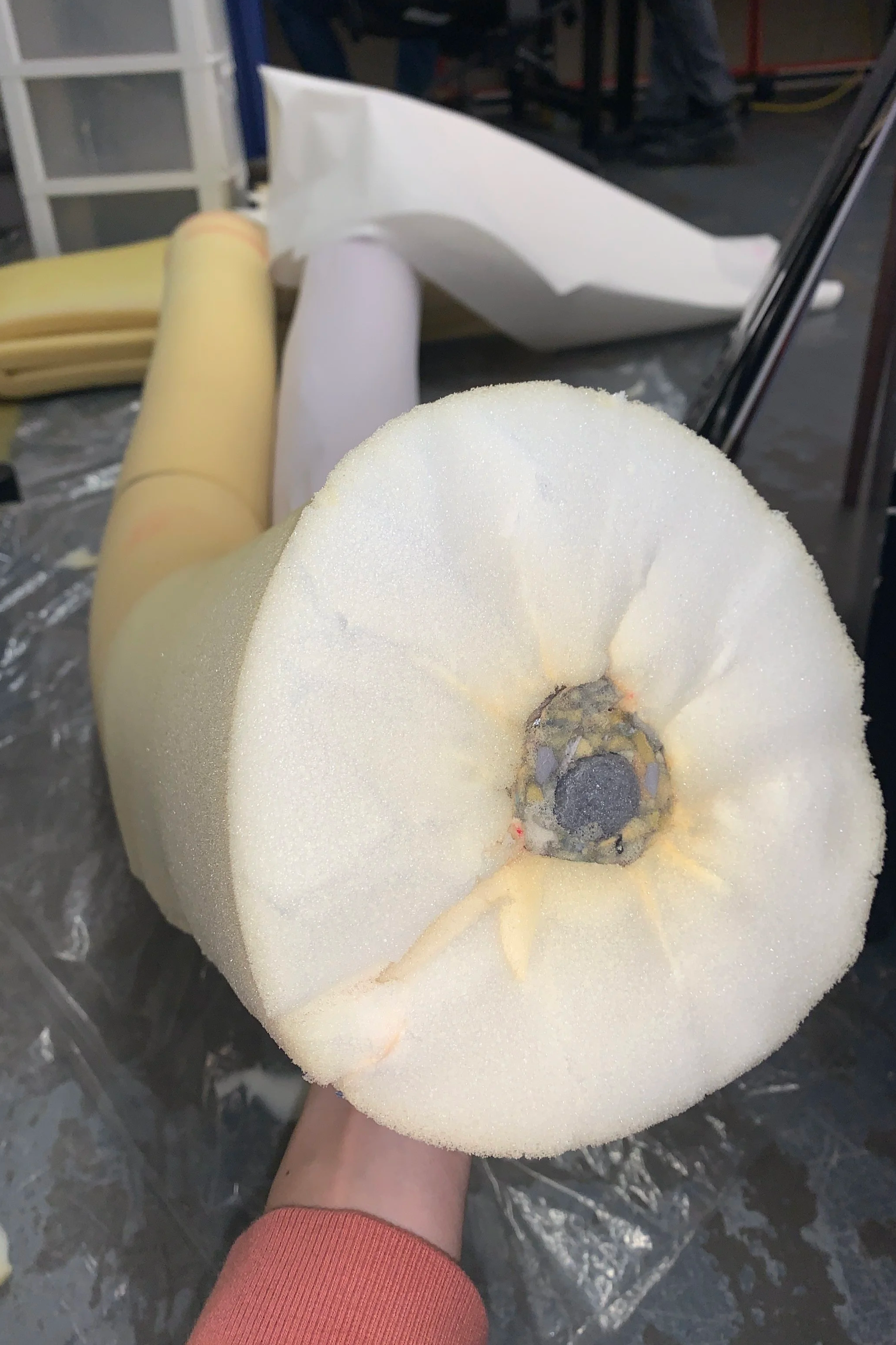
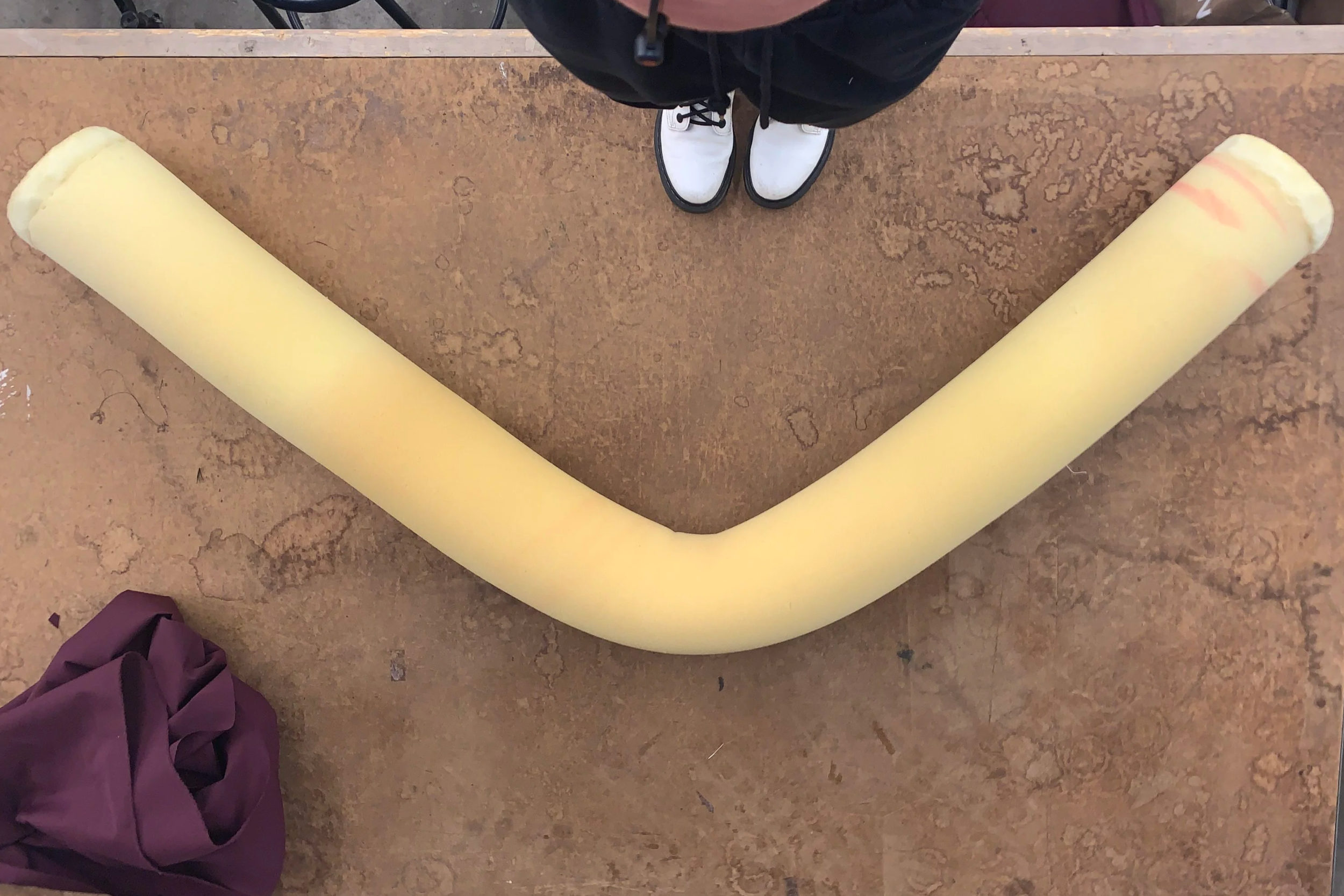
Pillow Guts • wire (recycled) • backing rod • carpet pad (recycled) • memory foam sheet (recycled) • contact cement
FLAT PLAN
FINAL
PRODUCTION [CASING]
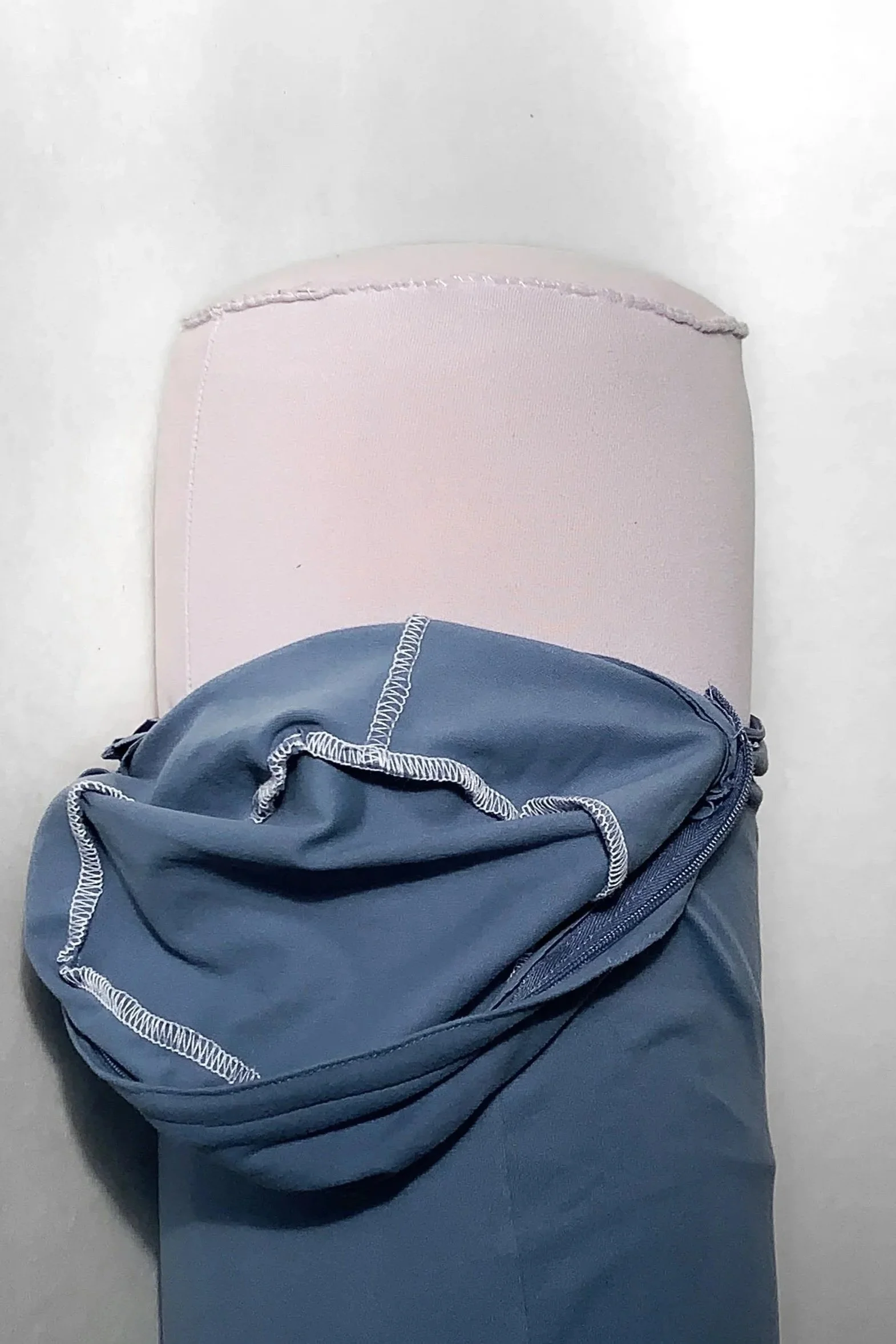
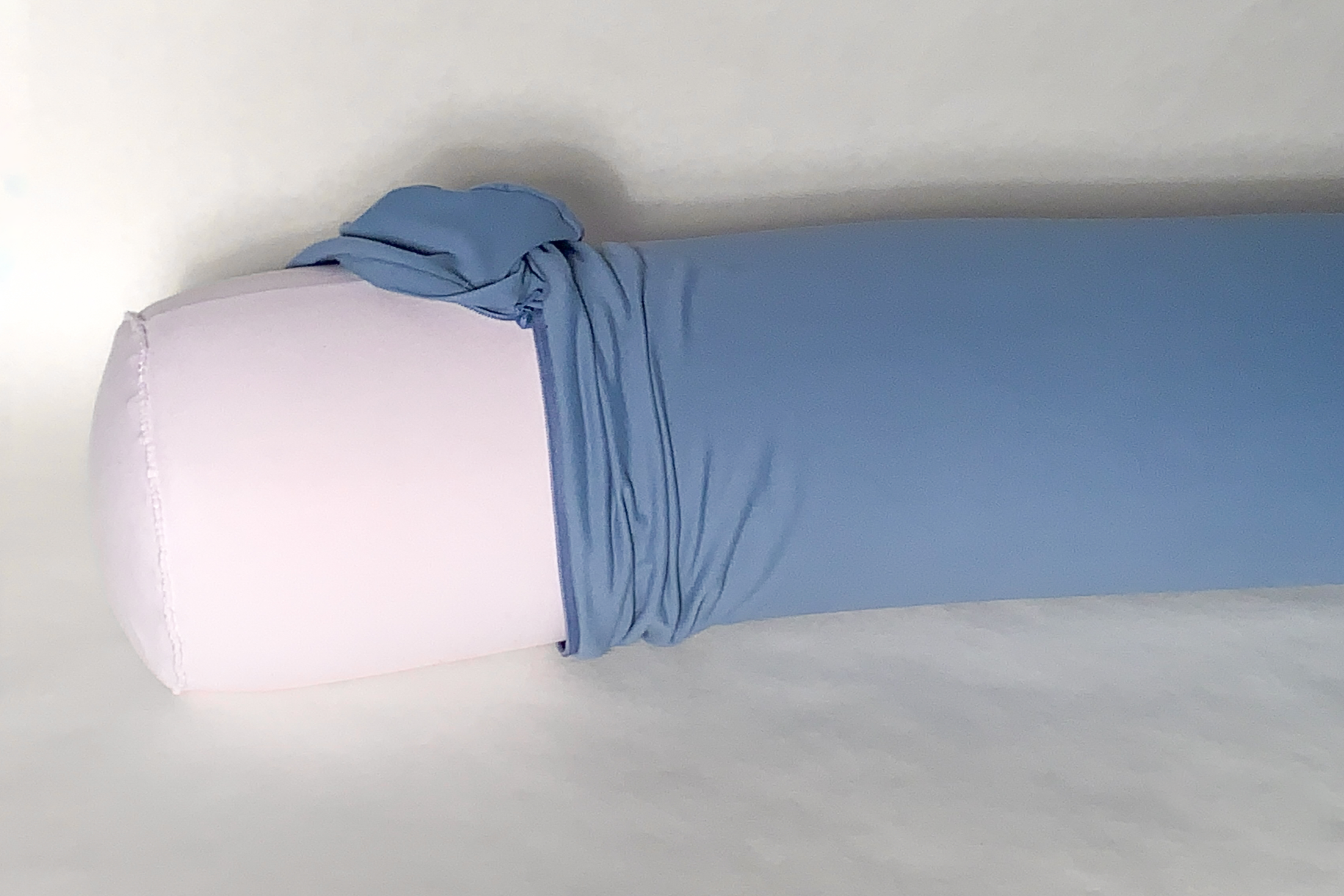
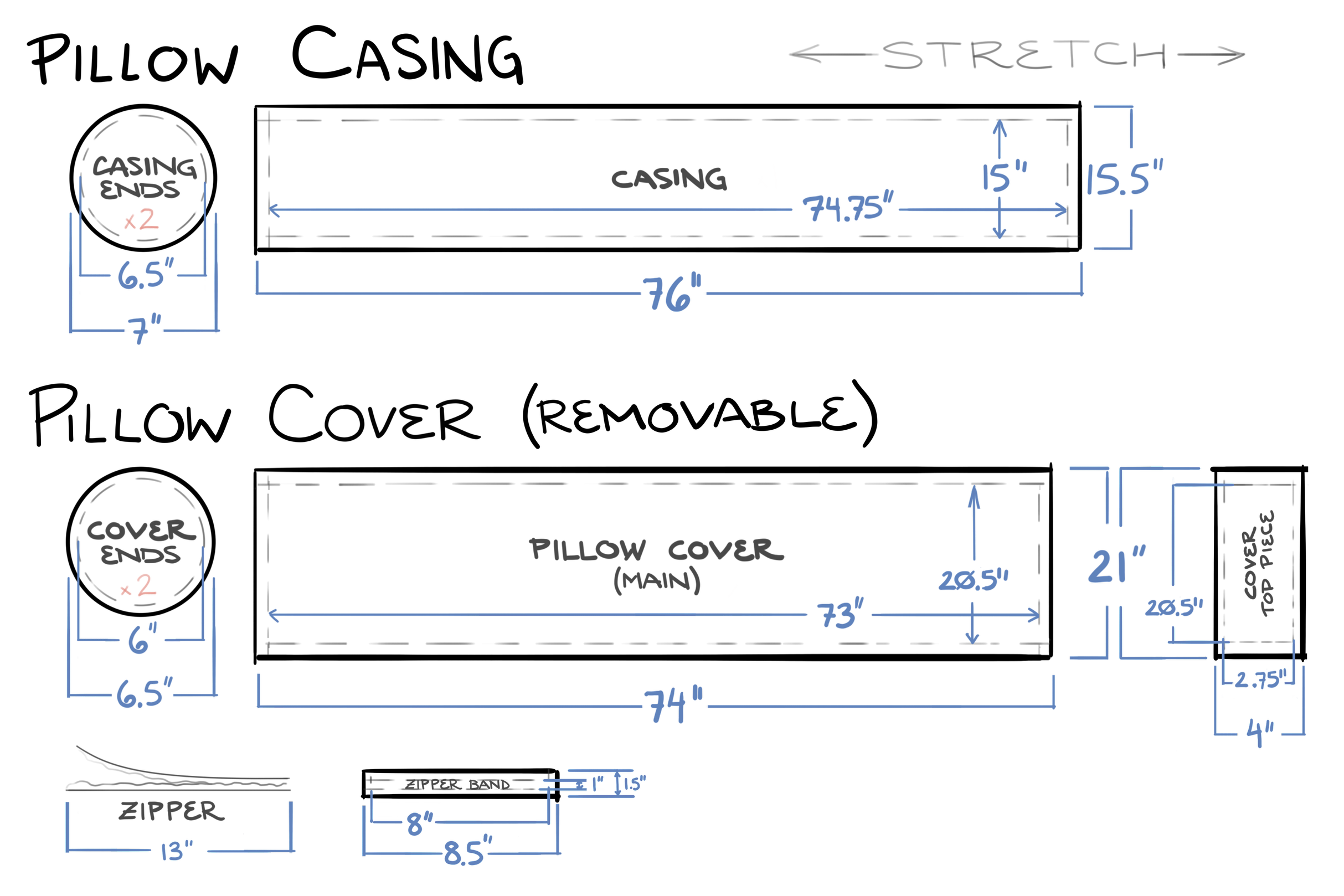
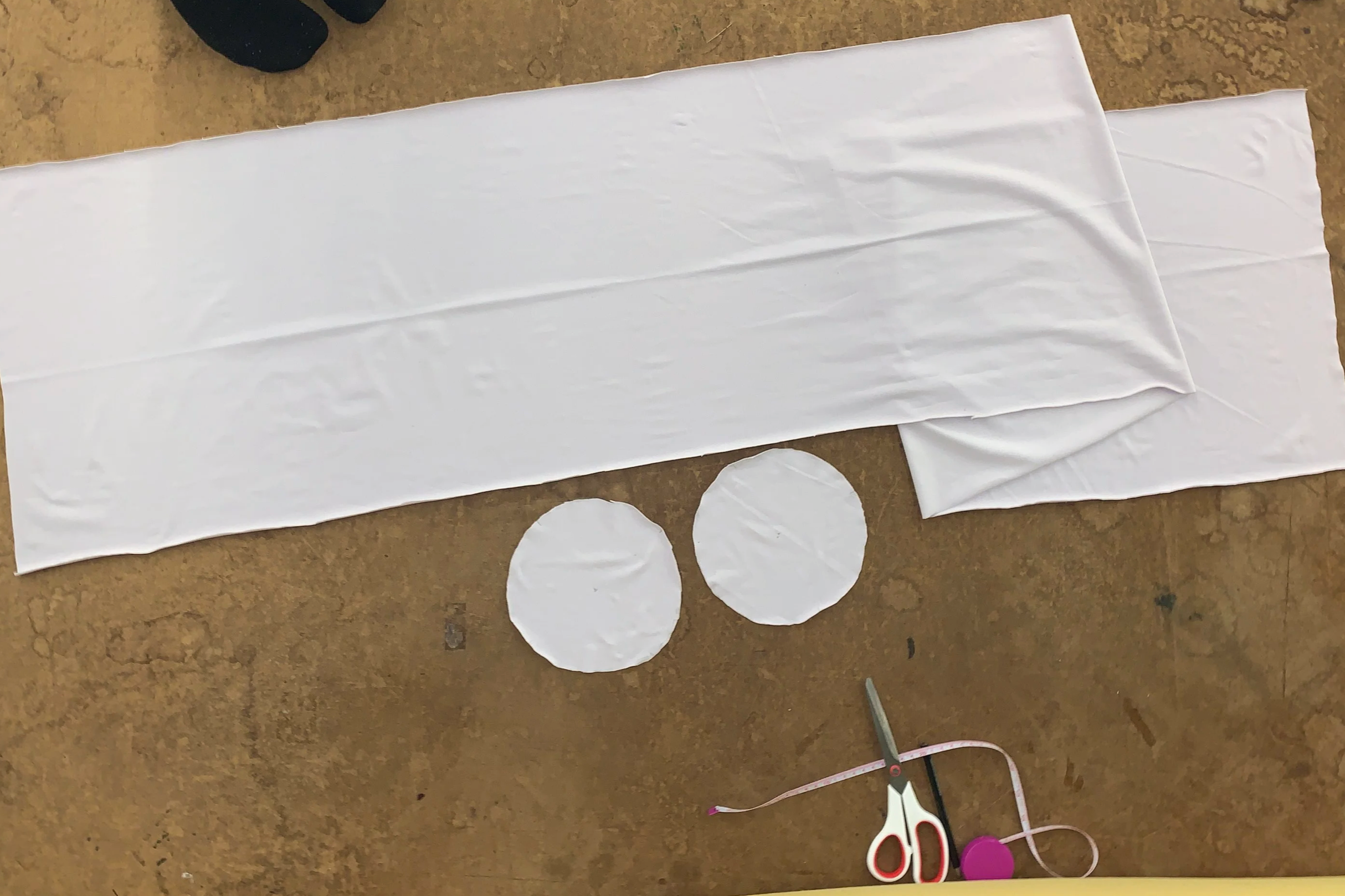
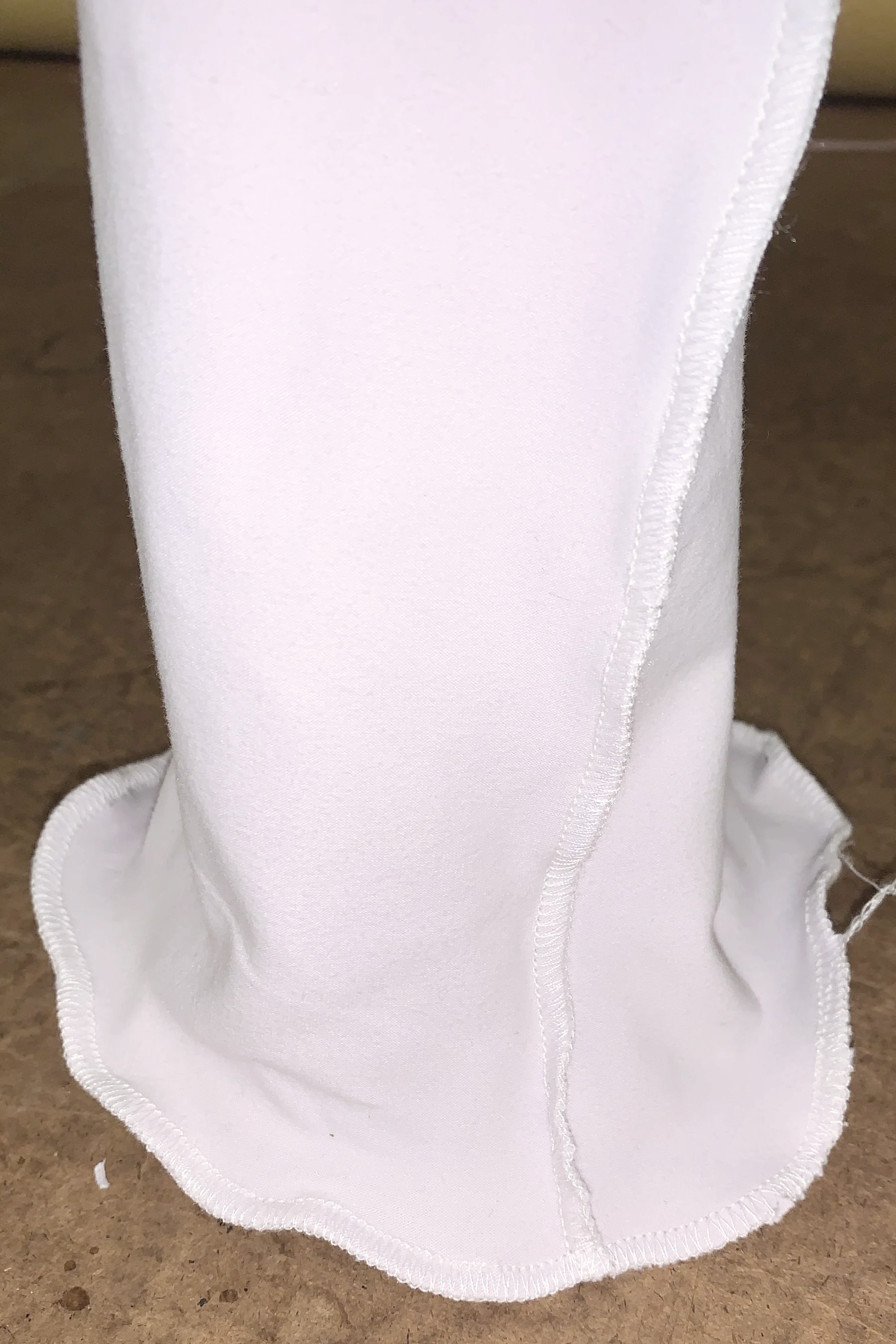
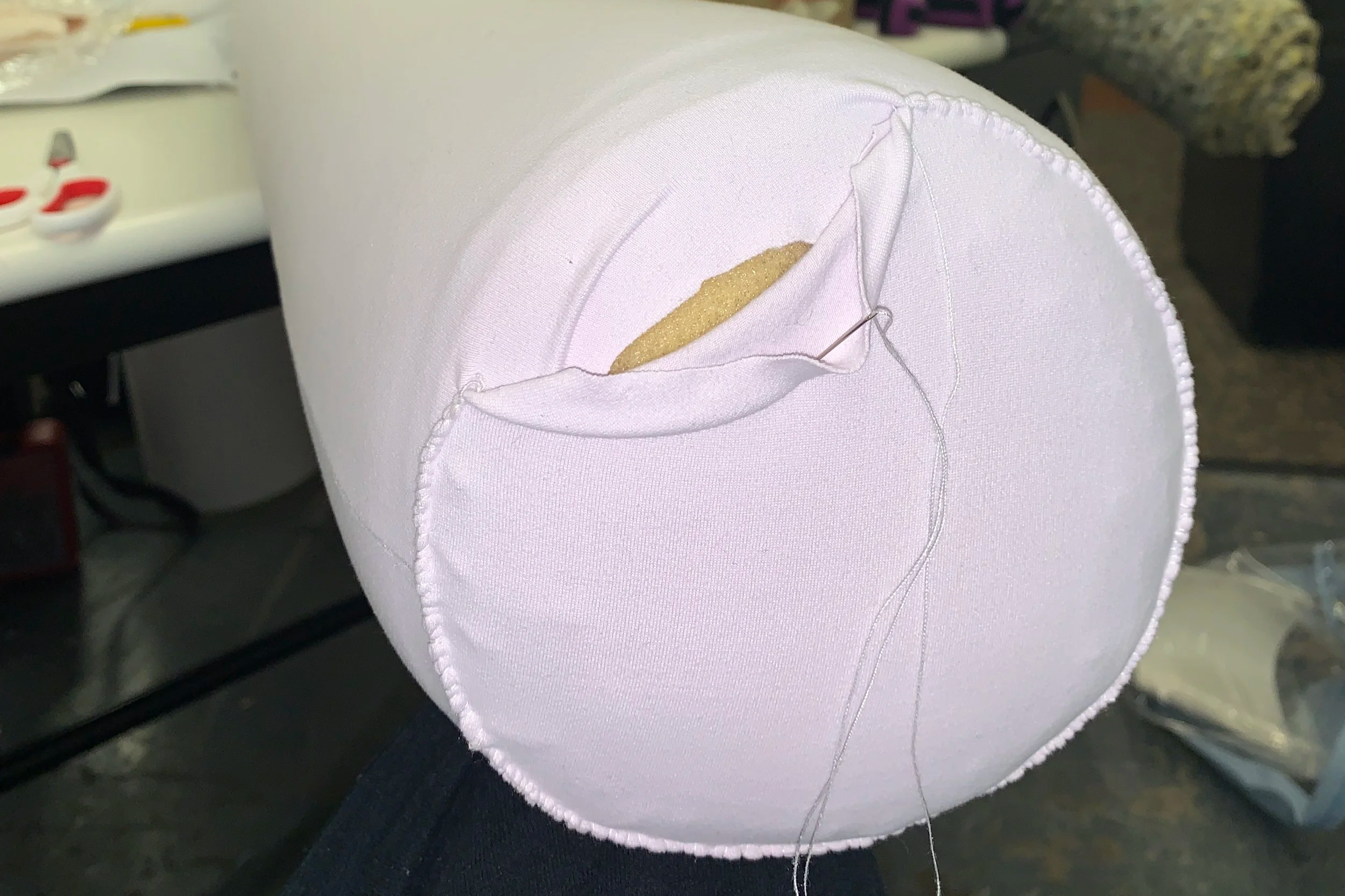
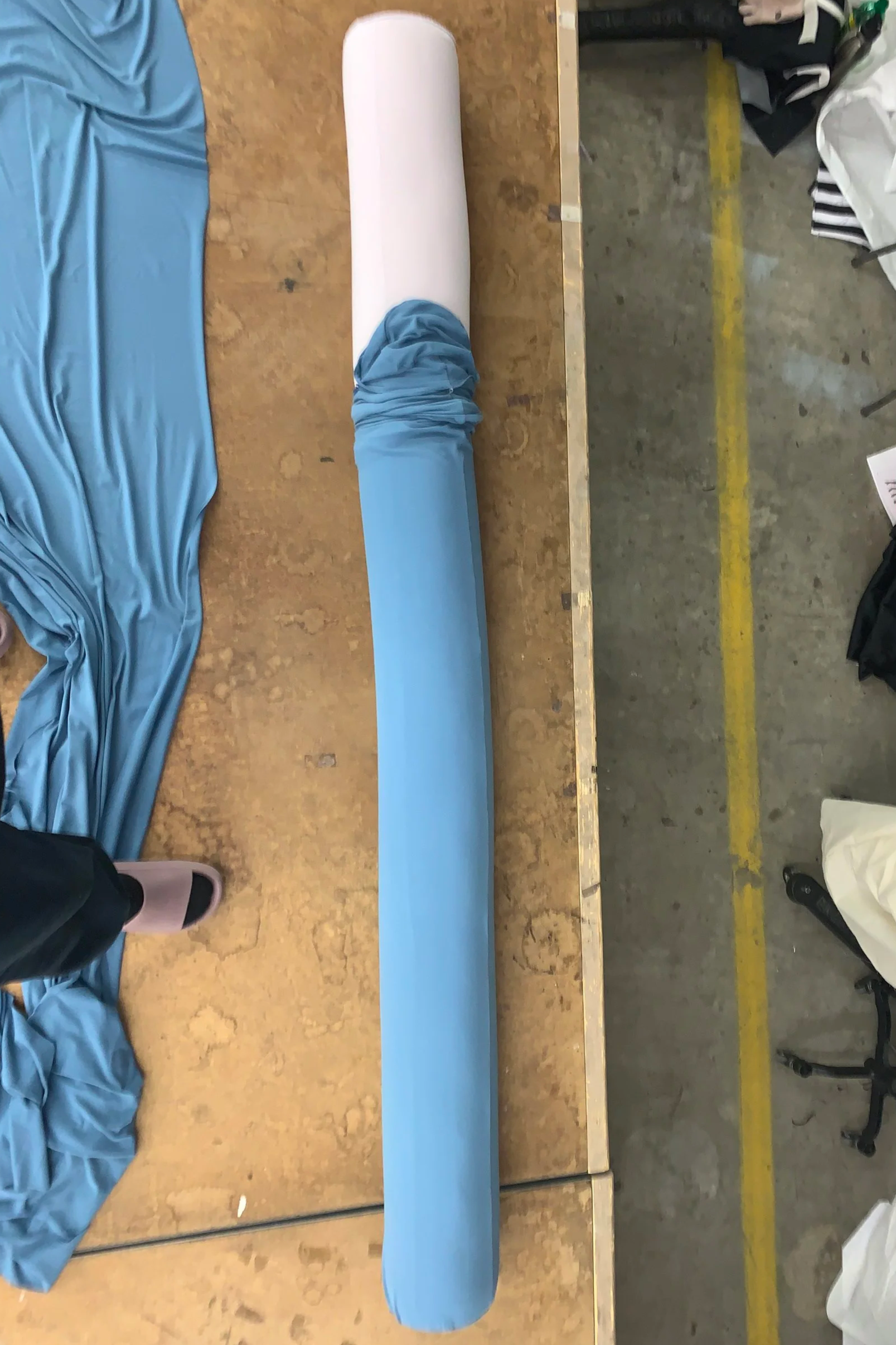
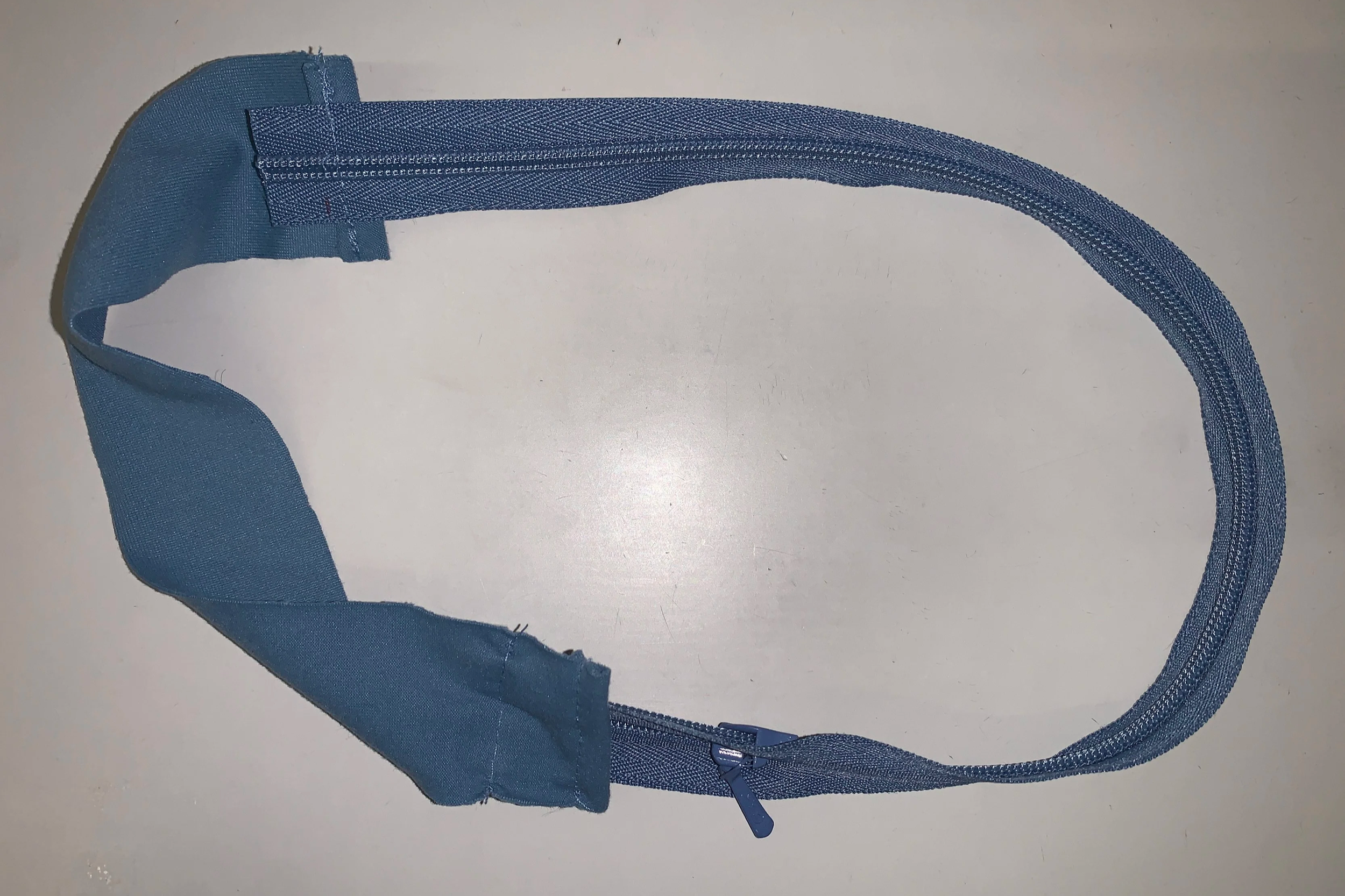
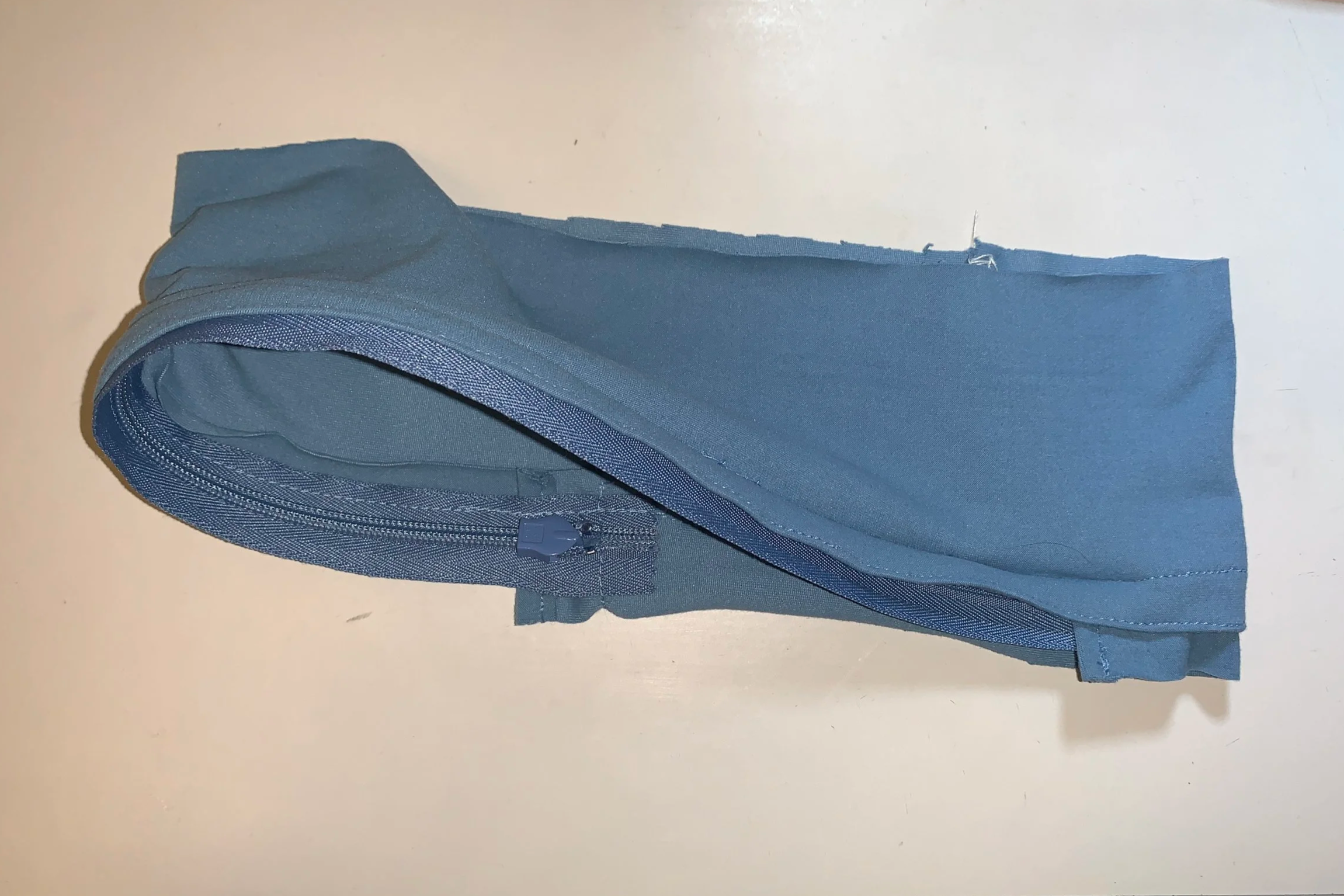
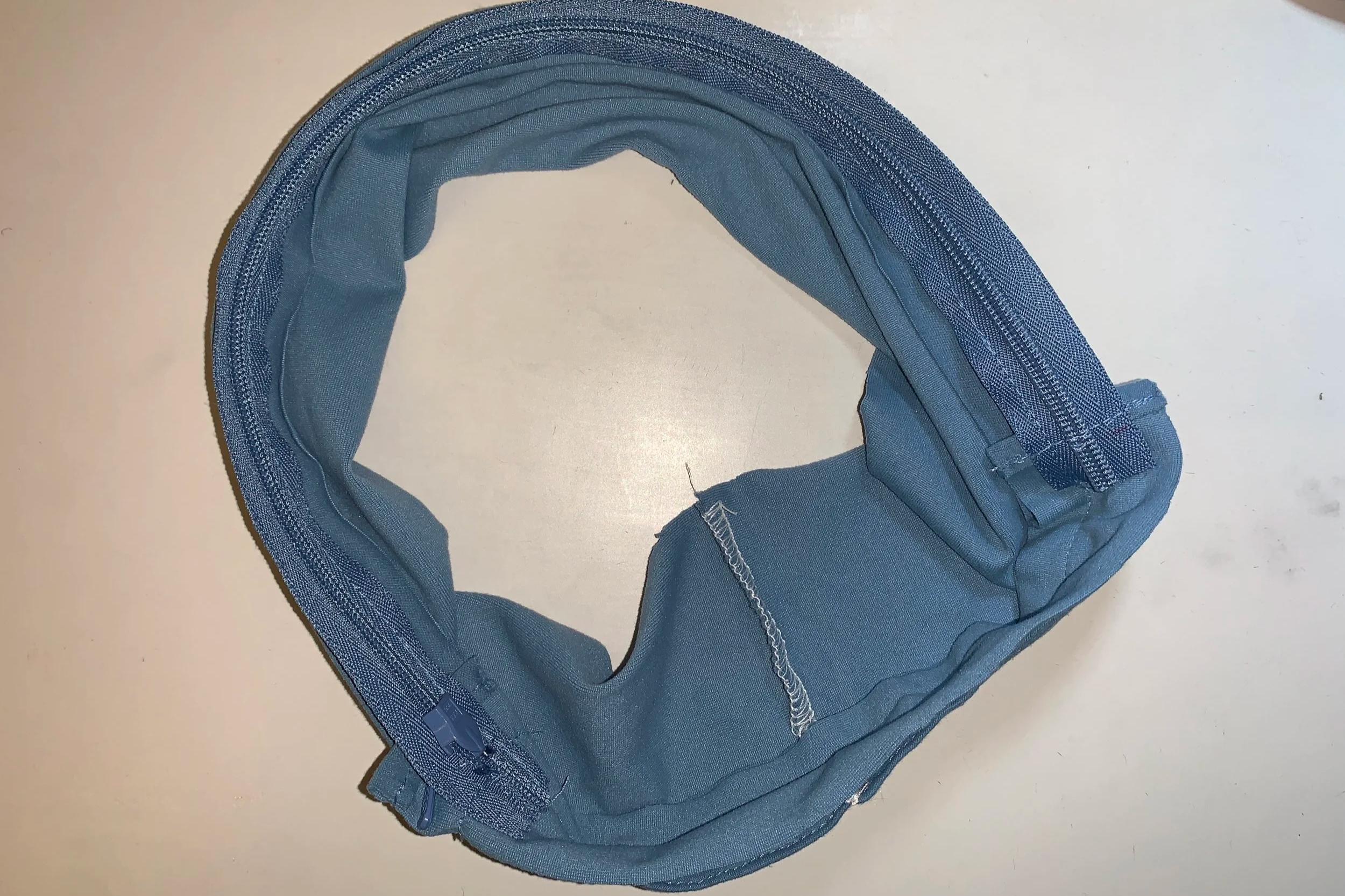
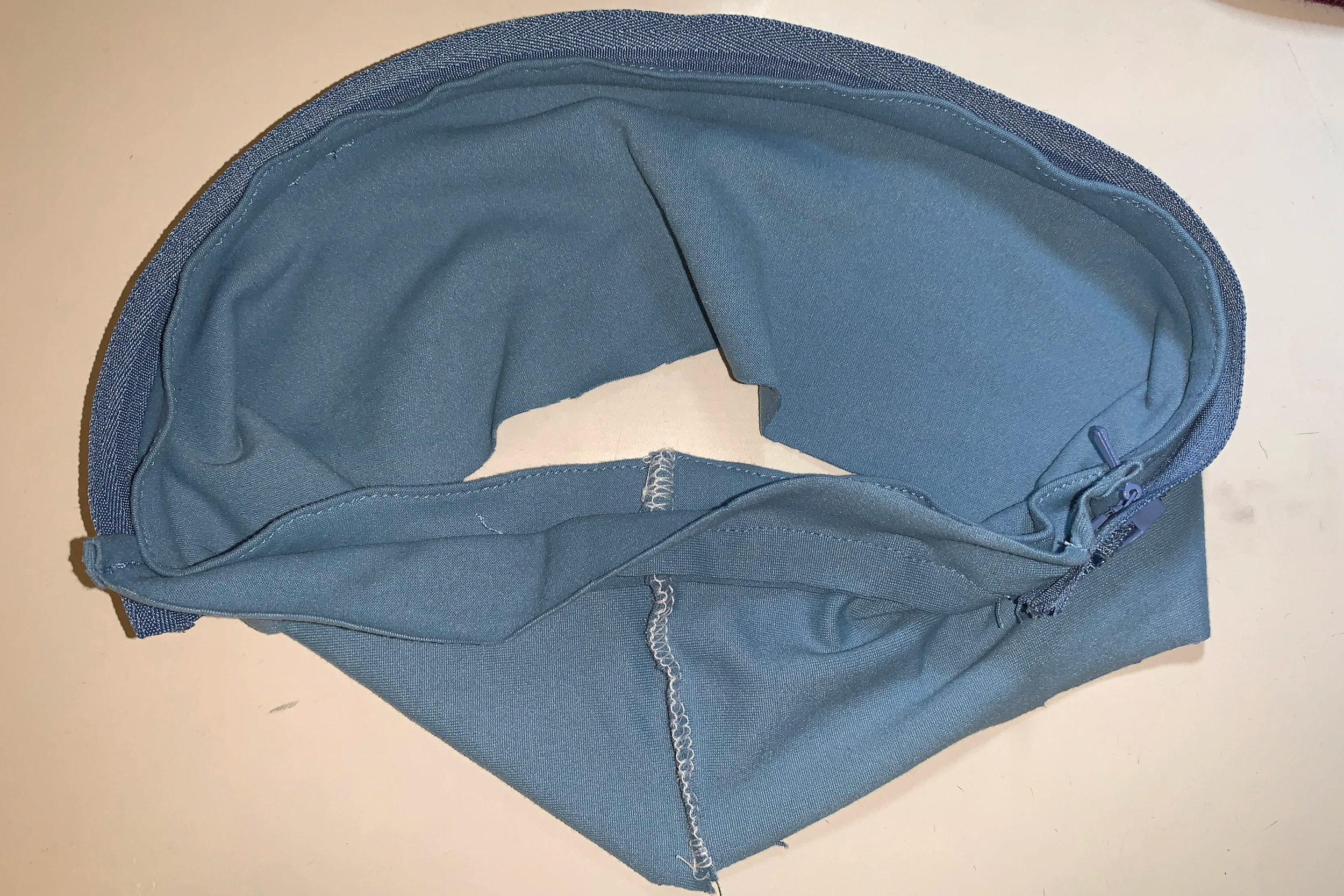
Pillow Casing • to compactly contain the pillow guts in one place/shape
FINAL
PRODUCTION [COVER]
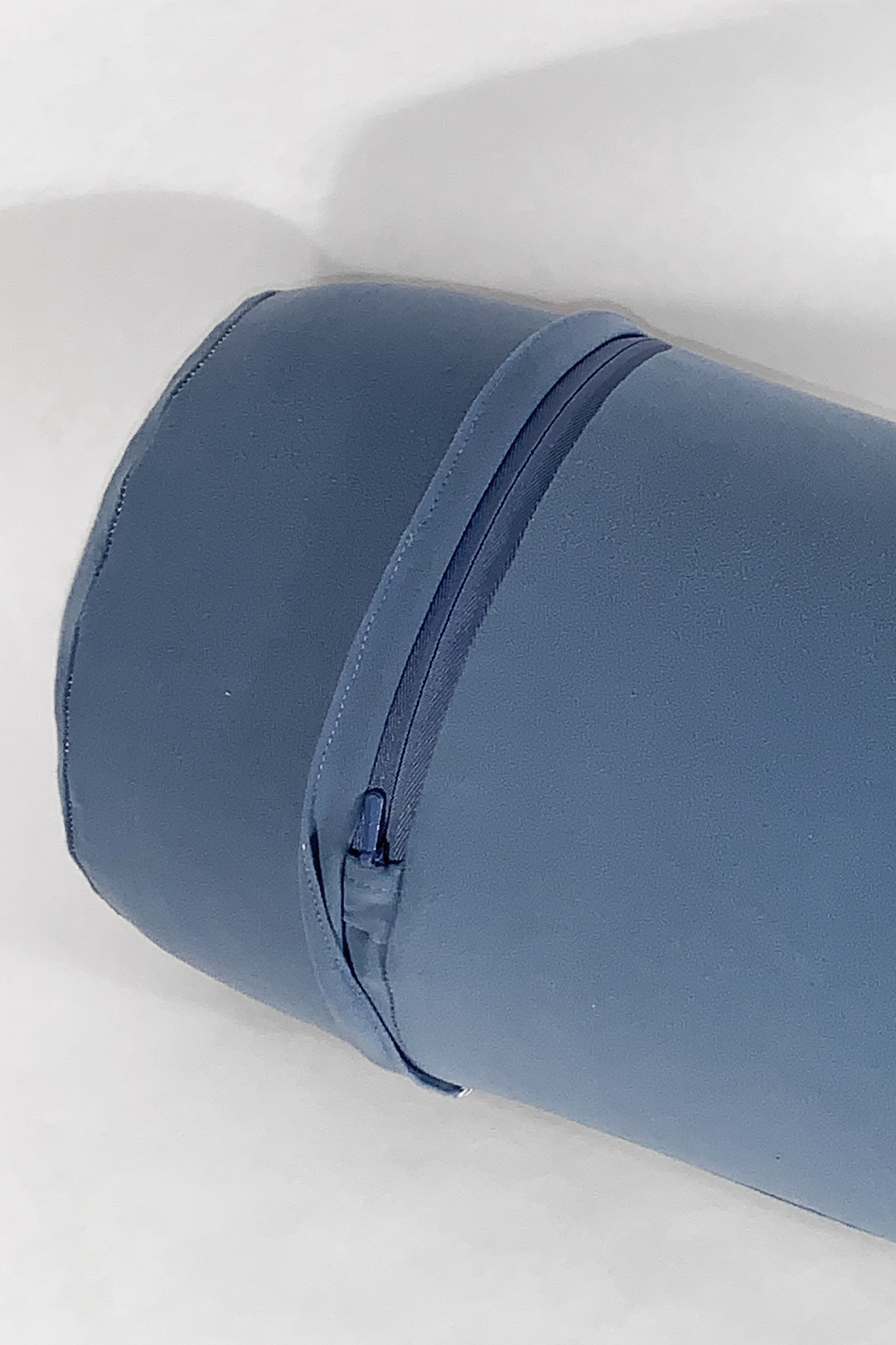
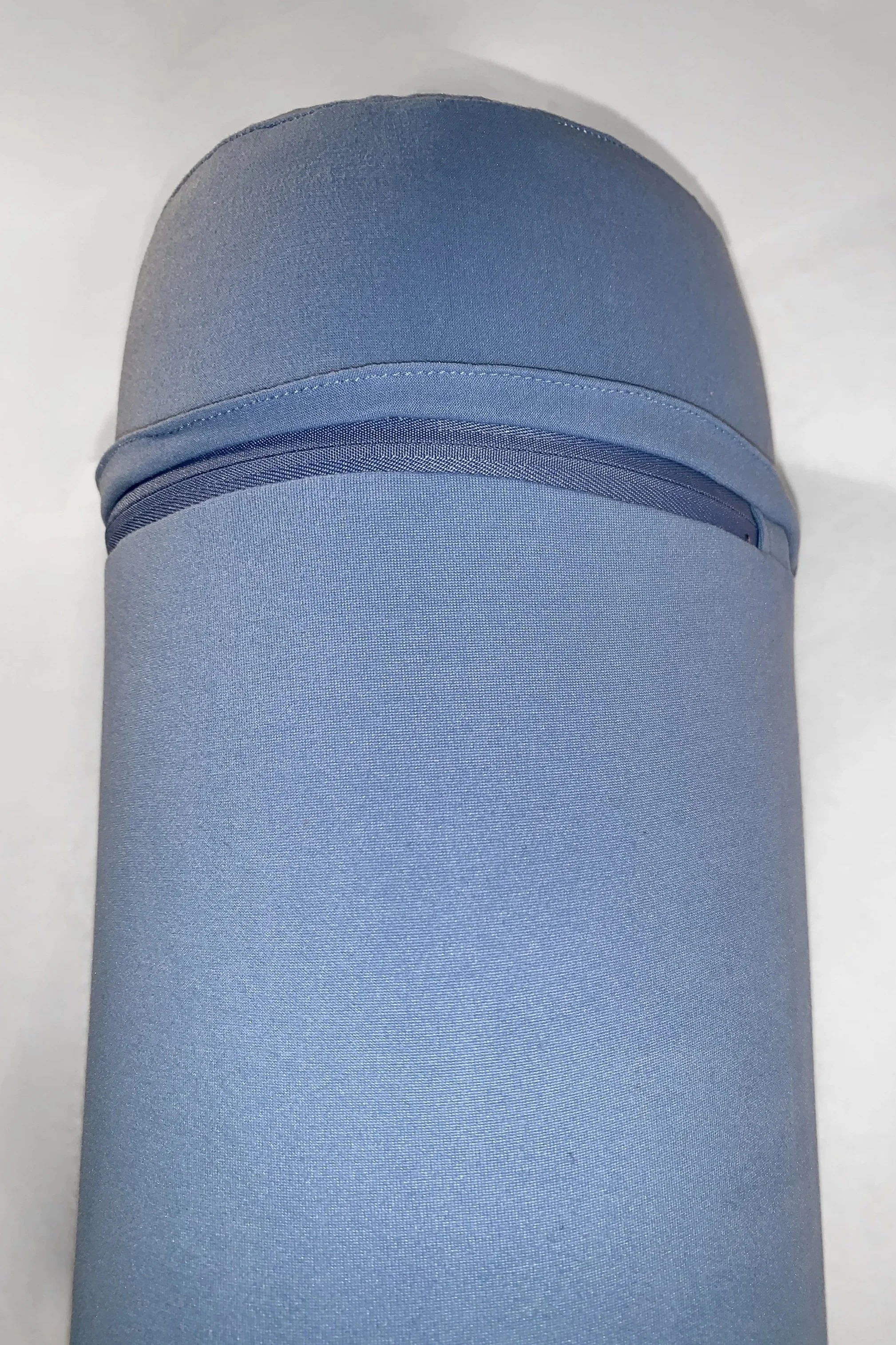
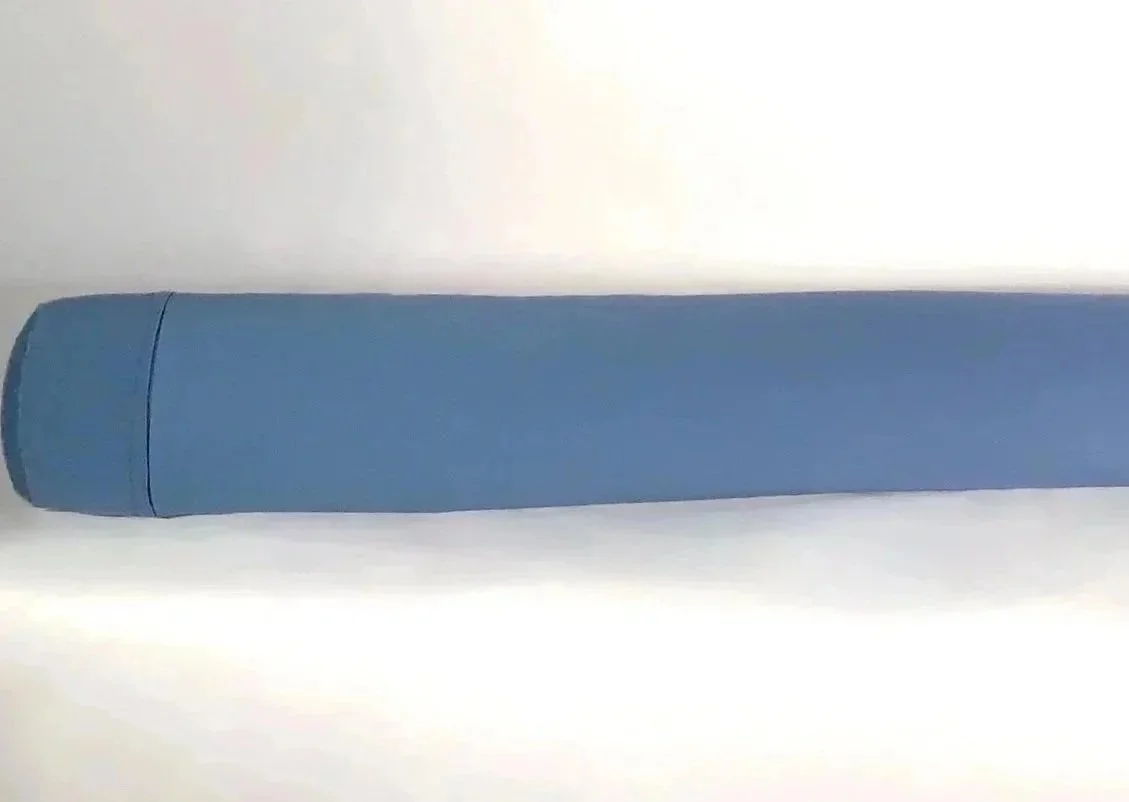
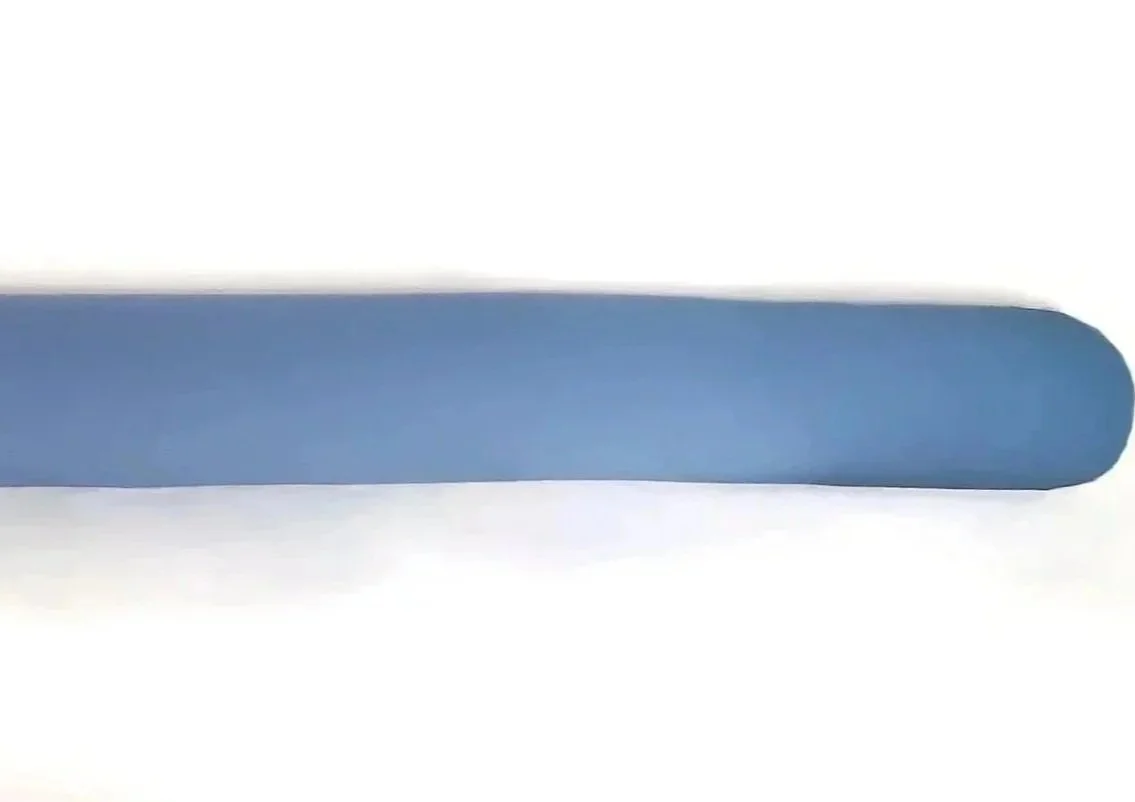
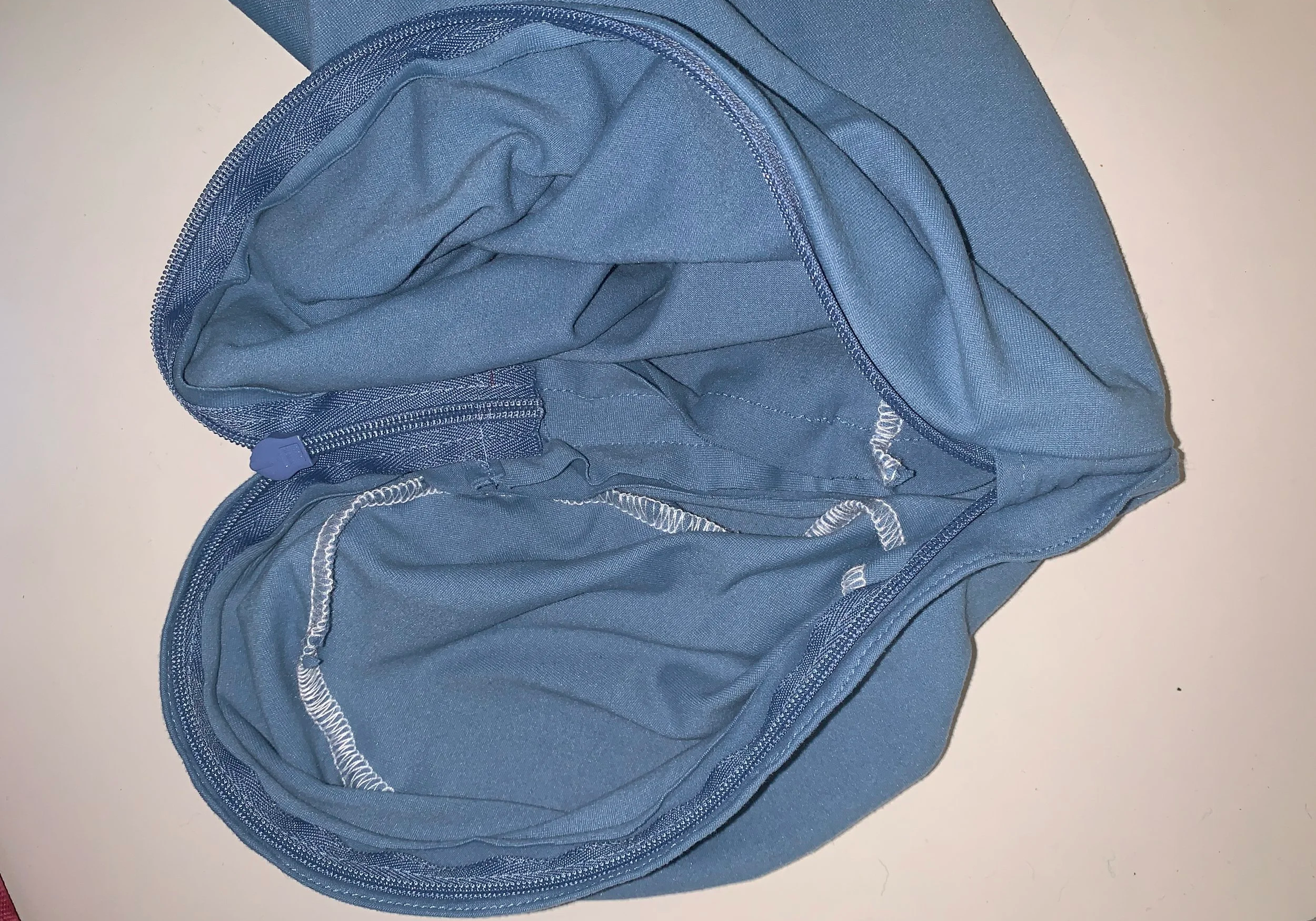
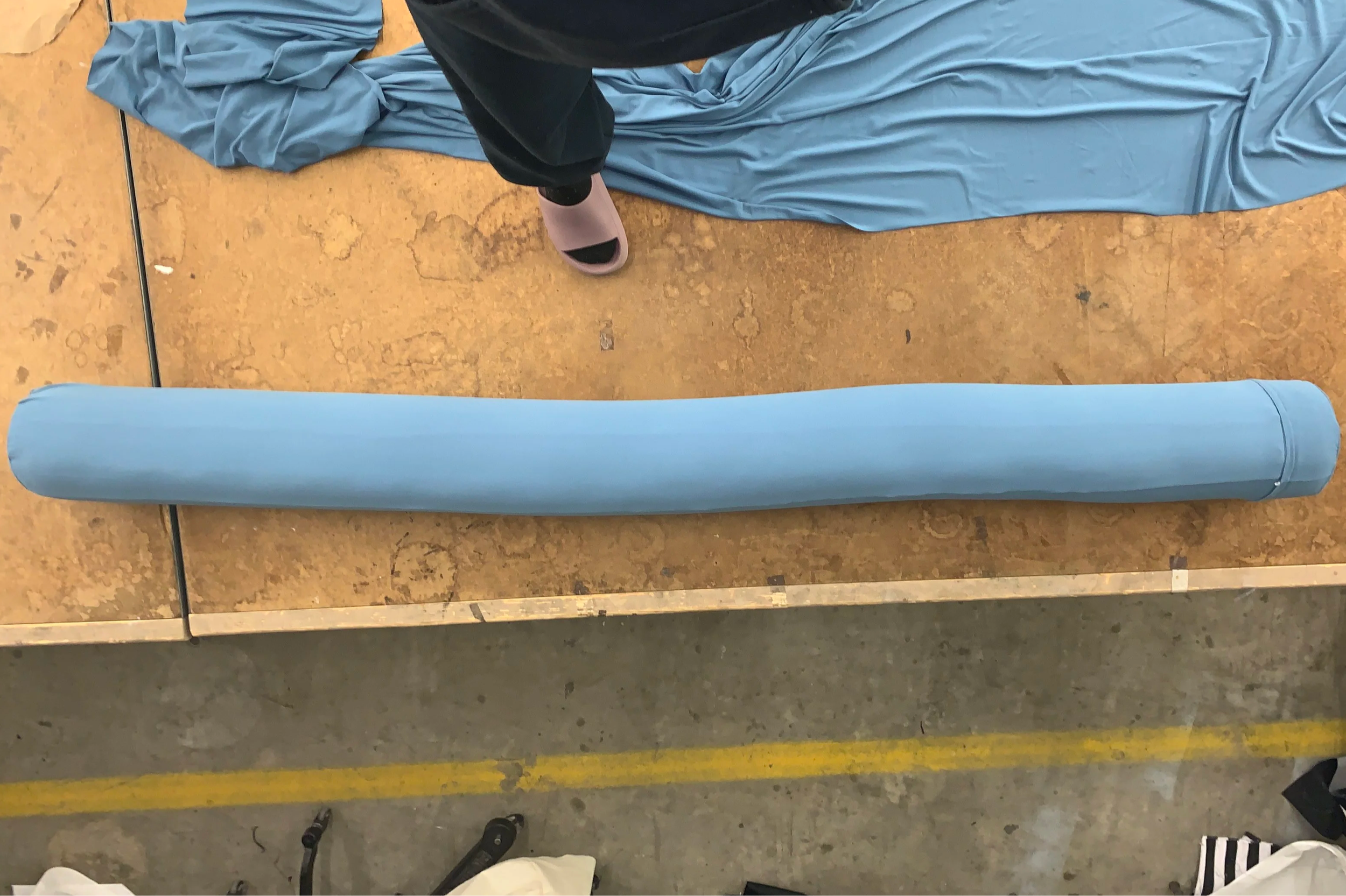
Pillow Cover • easily removable cover made of soft, inviting fabric
FINAL
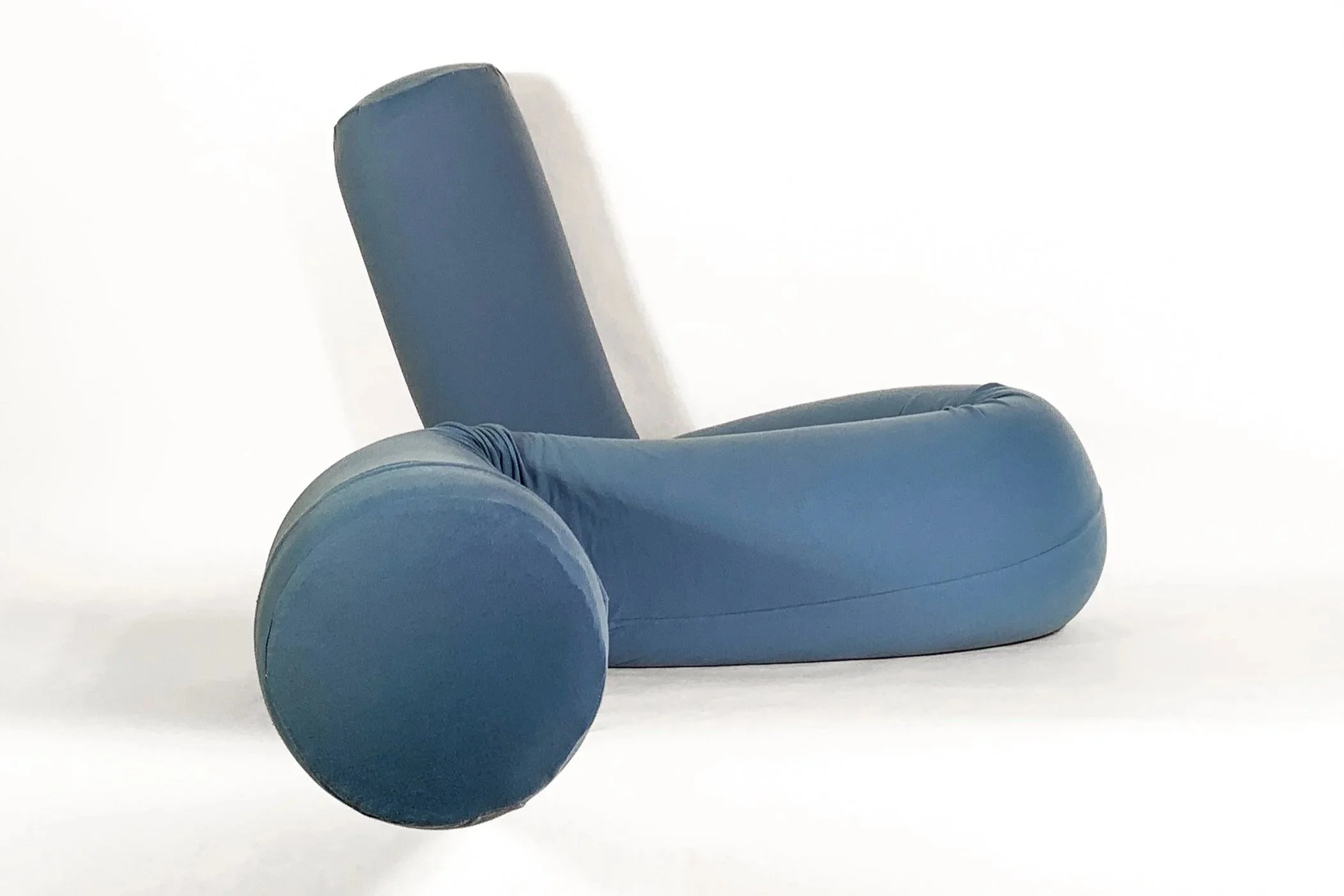
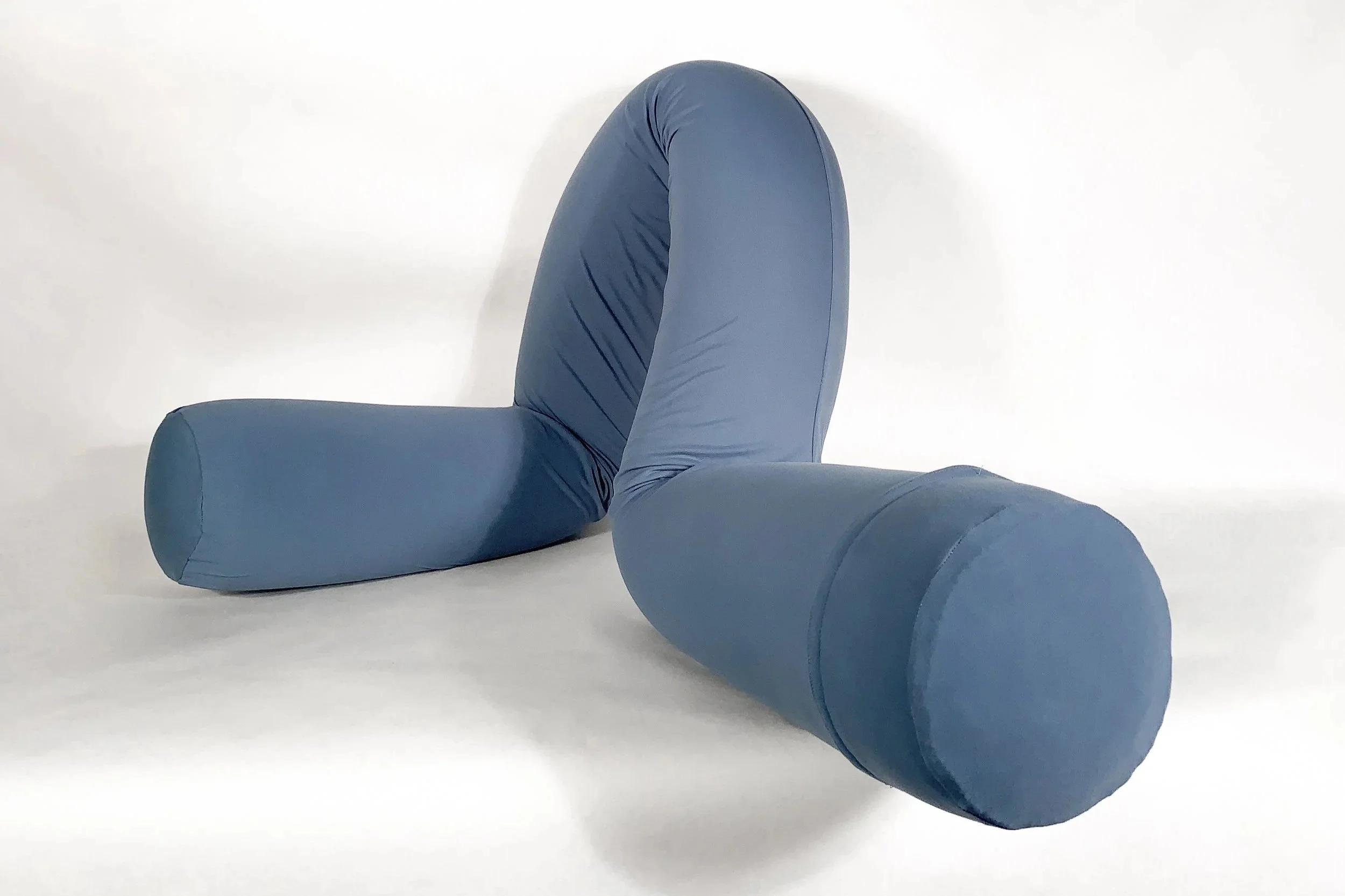
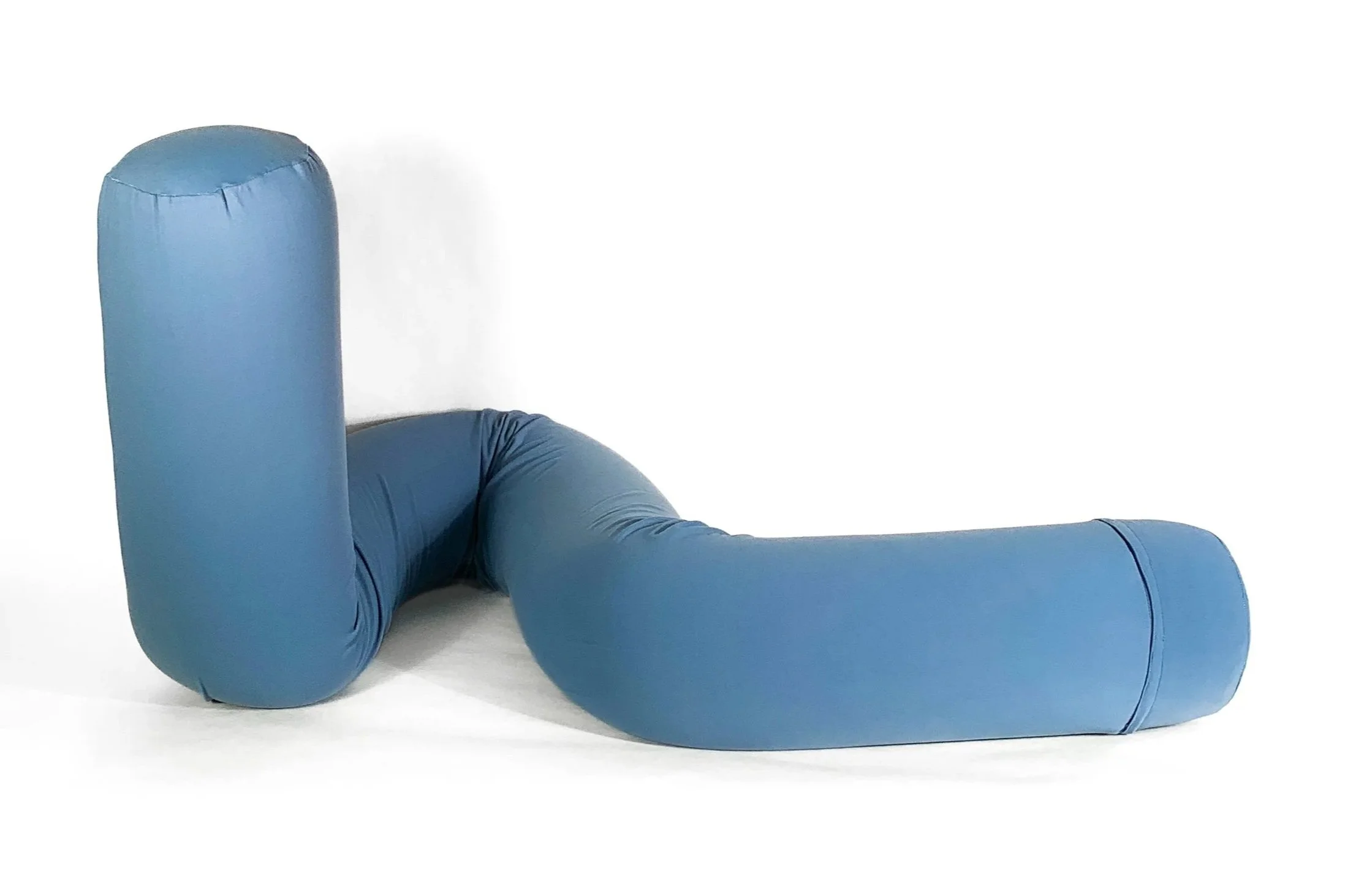
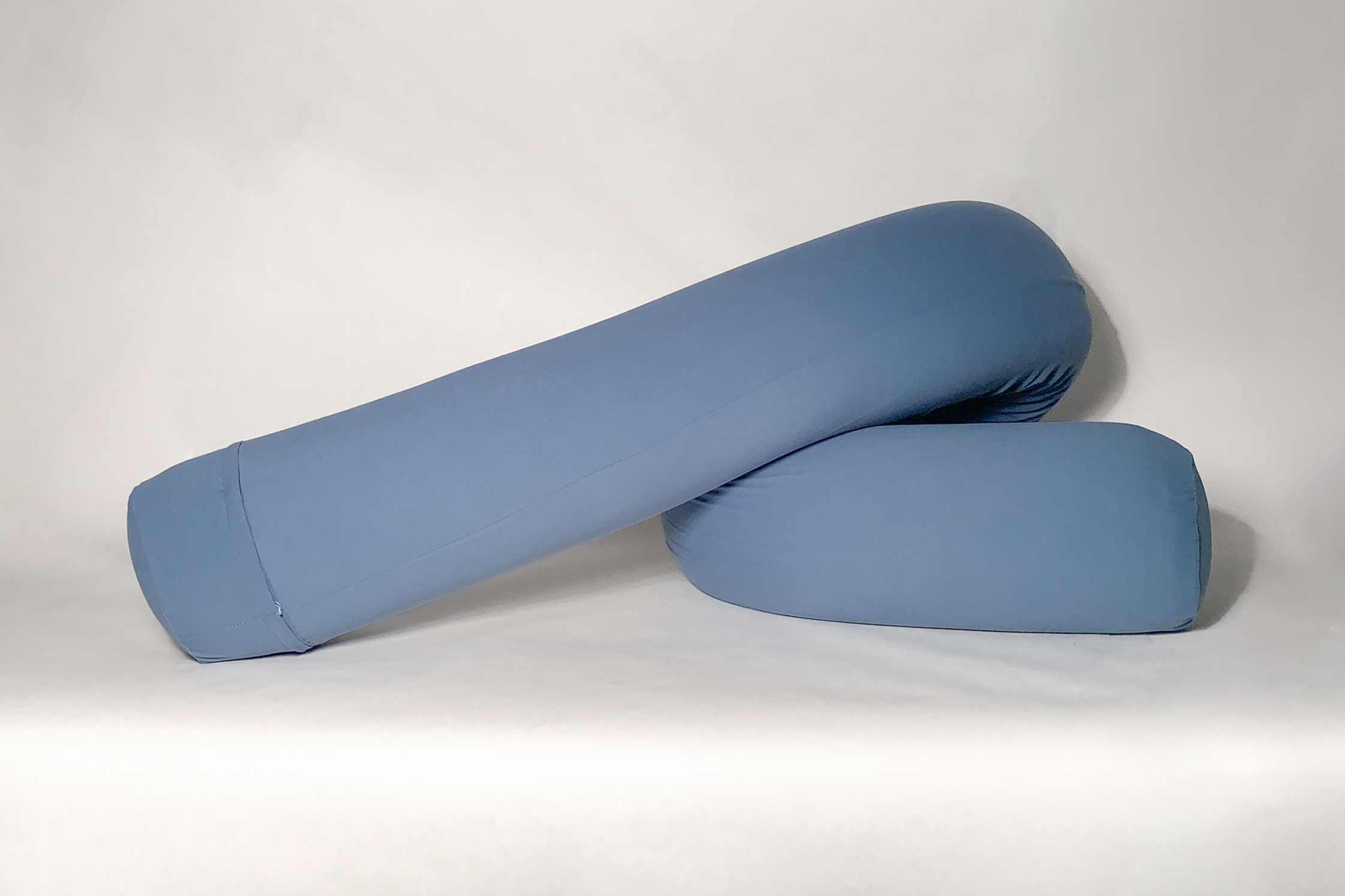
PRODUCT