
SaniGeyser — Effort to Reduce Medical Waste
Delivering sterilization solutions
to the developing medical world.
Medical • Biomimicry • Clean Energy
Animated Demo:
PROBLEM
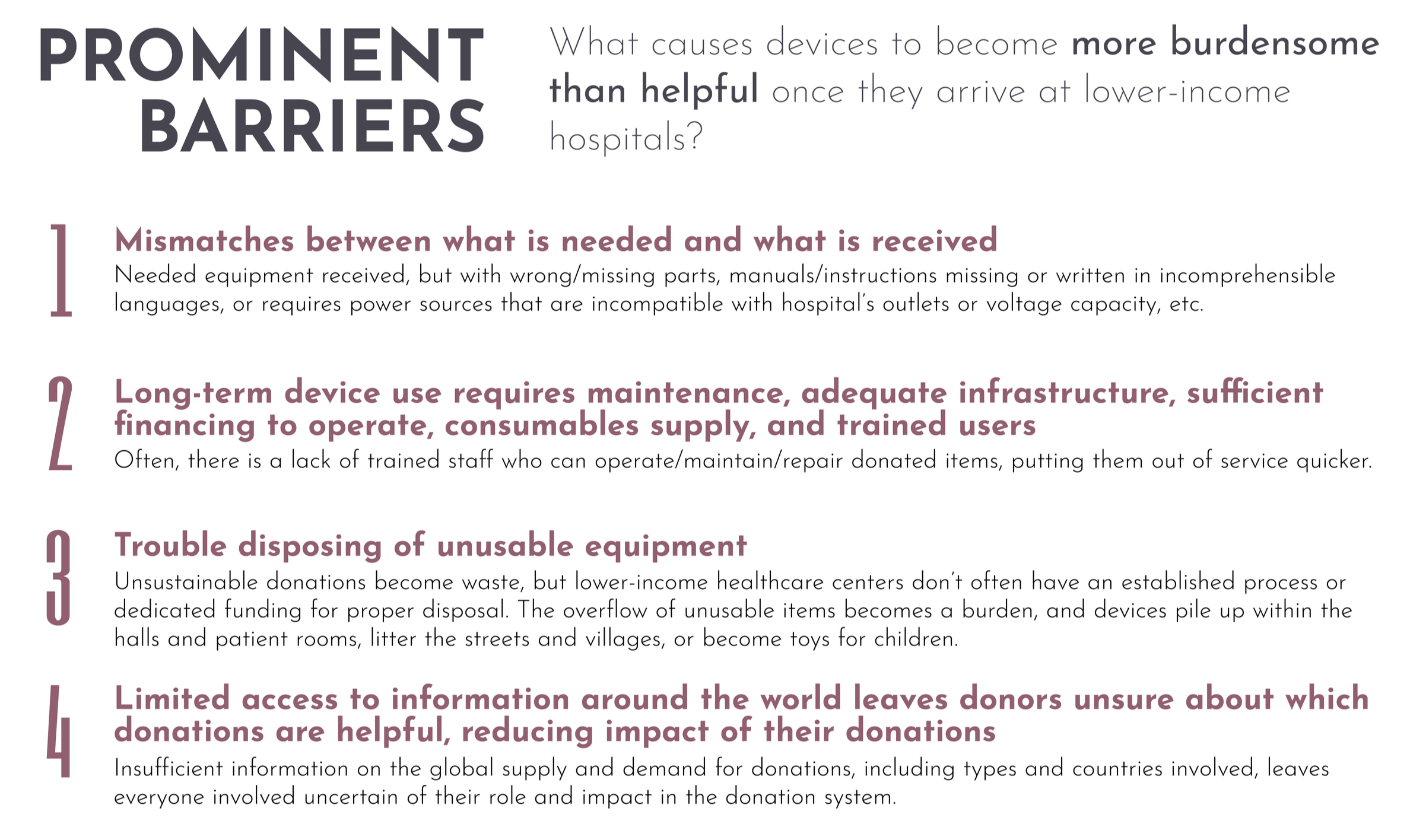
OBSOLETE MEDICAL DEVICES CONTRIBUTE MASSIVELY TO OUR EARTH’S GROWING LEVELS OF TOXIC WASTE. ONE MAJOR CAUSE OF THIS IS THE CURRENT DONATION SYSTEM, WHICH BRINGS COMMERCIAL HEALTHCARE TOOLS FROM FIRST-WORLD SUPPLIERS TO LOWER-INCOME COUNTRIES FOR SECONDHAND USE.
NUMEROUS FLAWS IN THIS DONATION SUPPLY CHAIN CAN BE IDENTIFIED AS REASONS FOR EXCESSIVE WASTE. IN FACT, MANY CONTRIBUTING ISSUES OCCUR BEFORE ITEMS ARE EVEN DONATED.
OVERVIEW
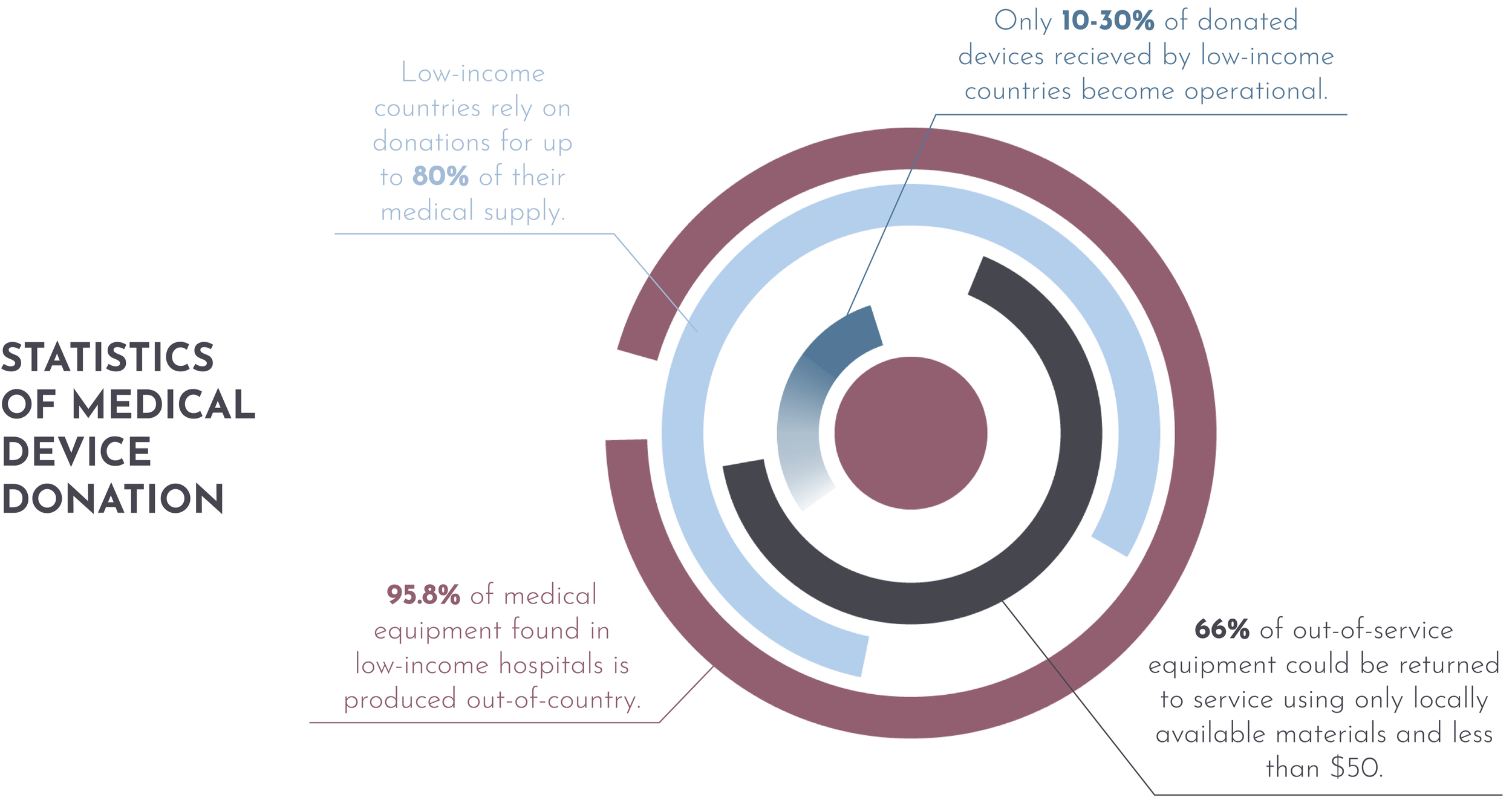
Once donated, hospital sterilization machines were found to be among the most difficult to implement in low-income countries, leading to a high volume of waste. Instead of sending obsolete, incompatible items to developing countries, this solution proposes a way for low-income hospitals to achieve the same level of safety while eliminating the burdens of the current donation system.
RESEARCH
MEDICAL DEVICE DONATIONS

AUTOCLAVES
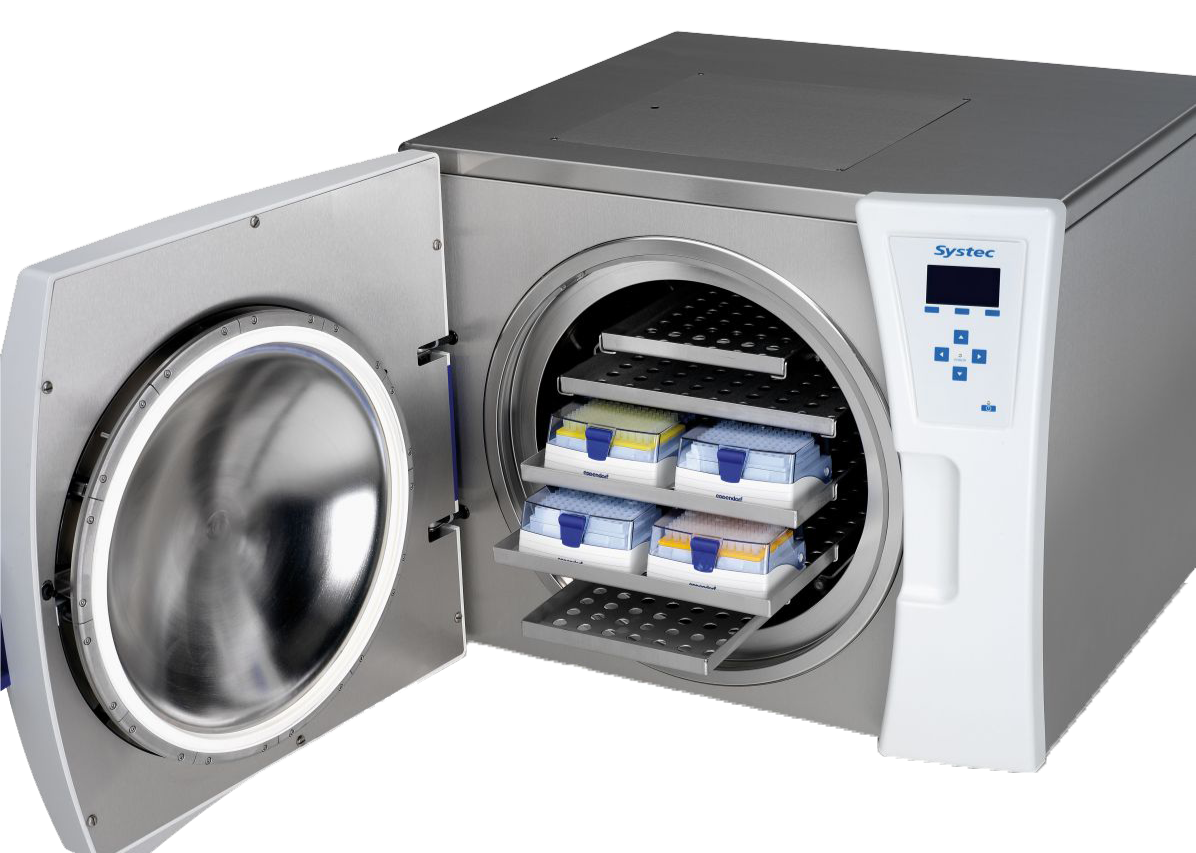
WHAT IS AN AUTOCLAVE?
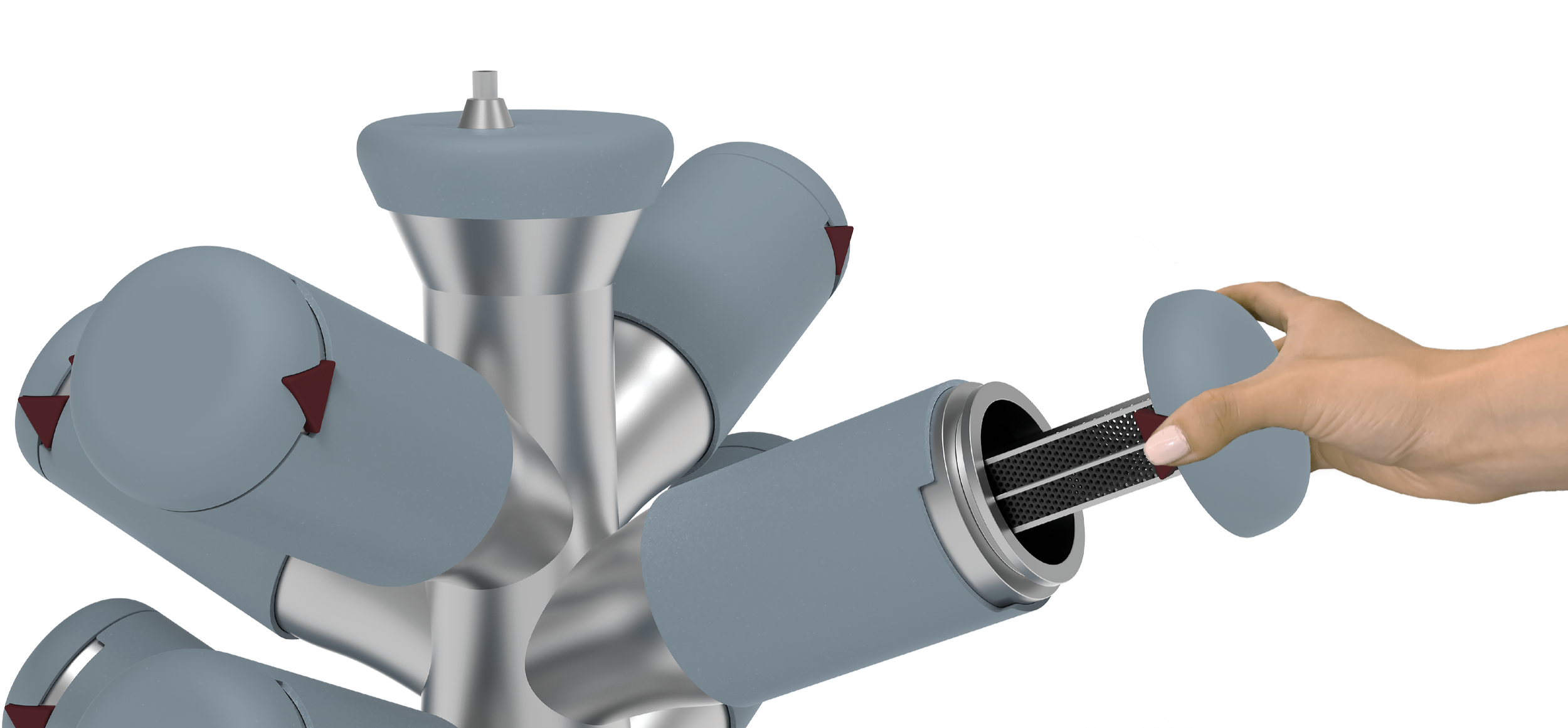
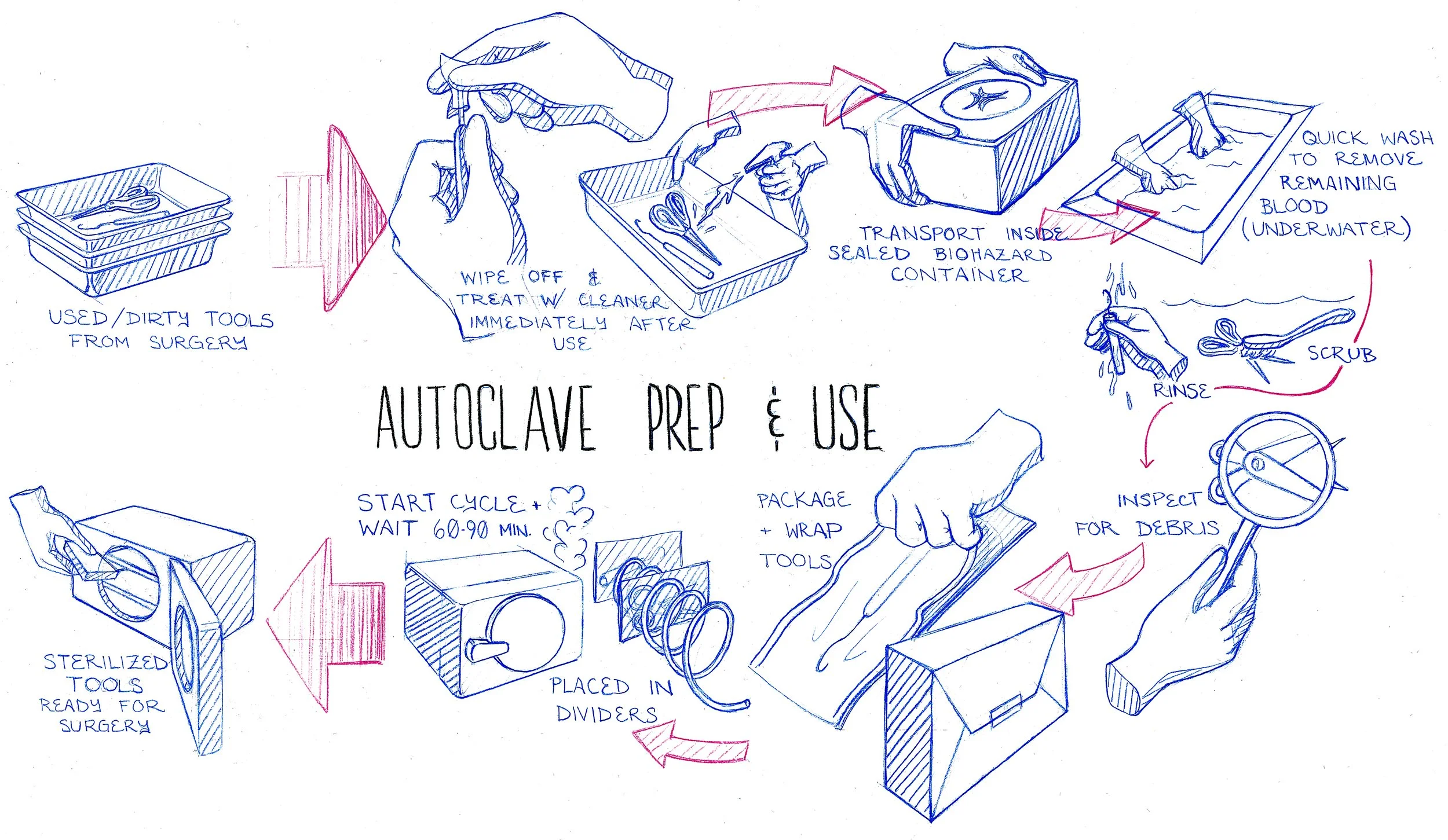
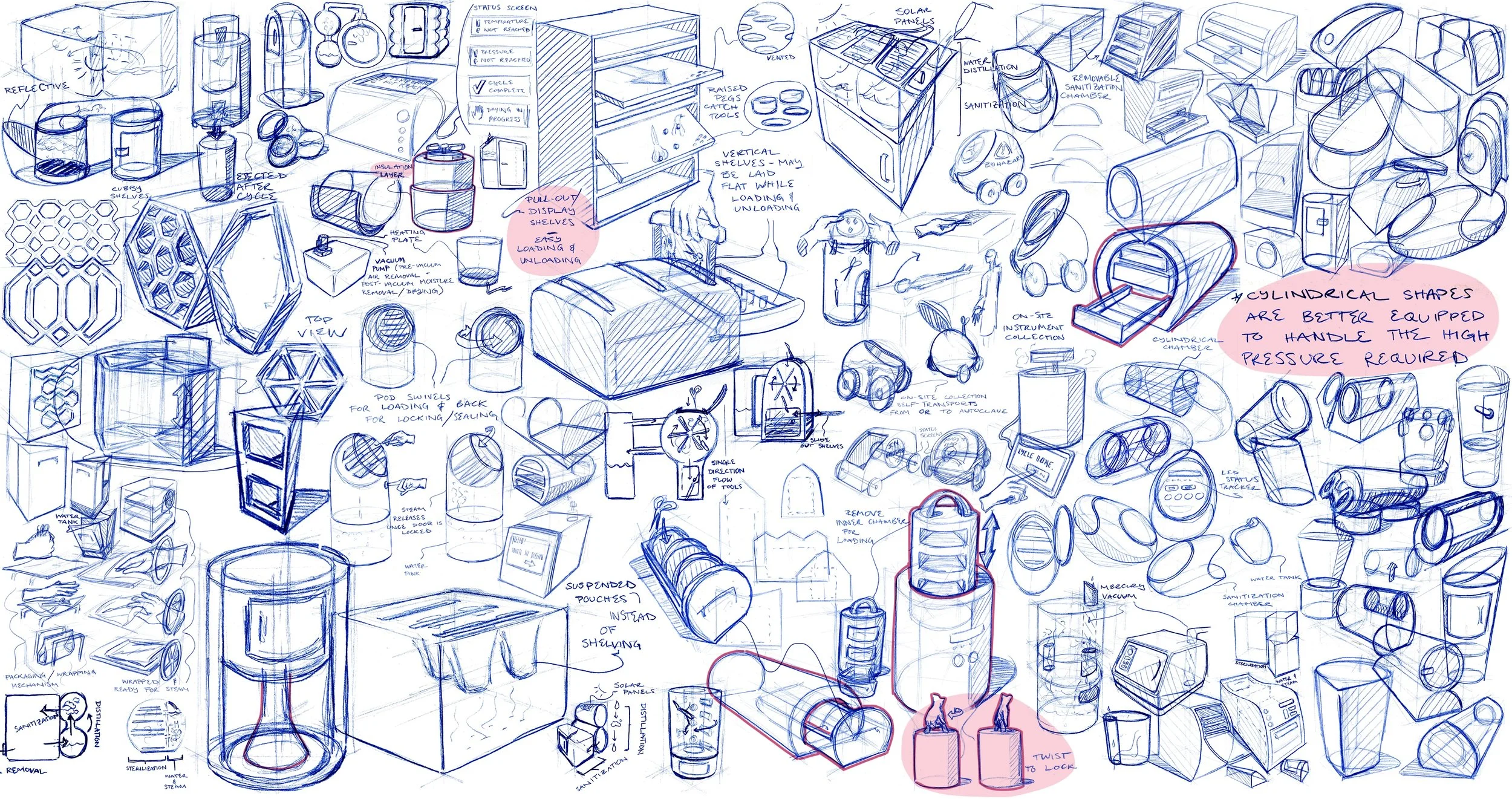
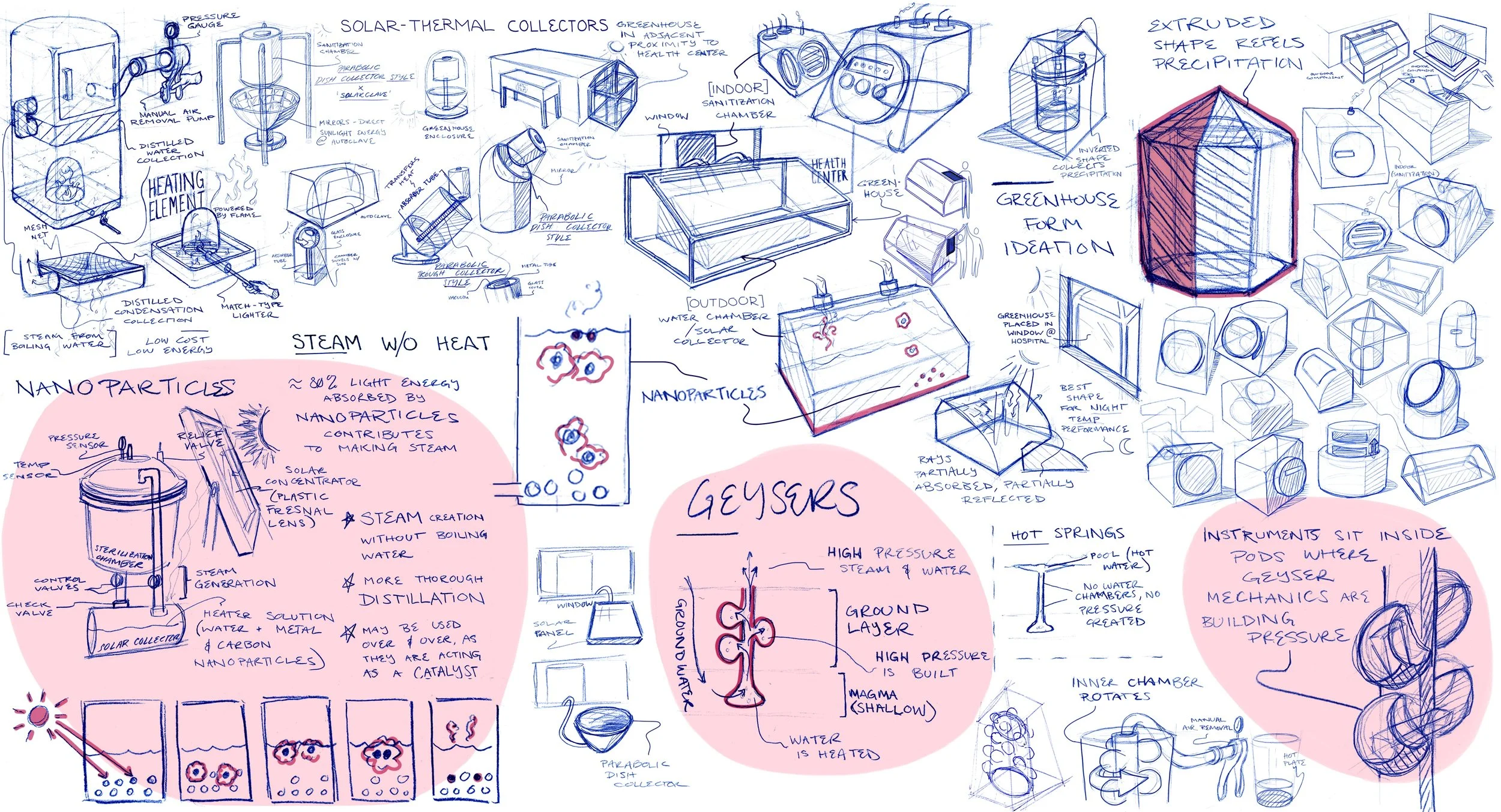
Comparable to a pressure cooker or a high-intensity dishwasher, an autoclave generates enough pressure and heat to create steam, which is used to sanitize contaminated surgical instruments and other biohazardous tools for reuse in a medical setting.
WHY AUTOCLAVES?
Inventory data from 15 developing countries spanning the Americas, Africa, and Southeast Asia over the years 1986–2010 shows that tabletop autoclaves and other sterilizing machines tend to be out-of-service at one of the highest rates.
This data accounts for 112,040 pieces of medical equipment, 93% from the developing world.
USER EXPERIENCE CONSIDERATIONS
CURRENT PRACTICES
EXPLORE
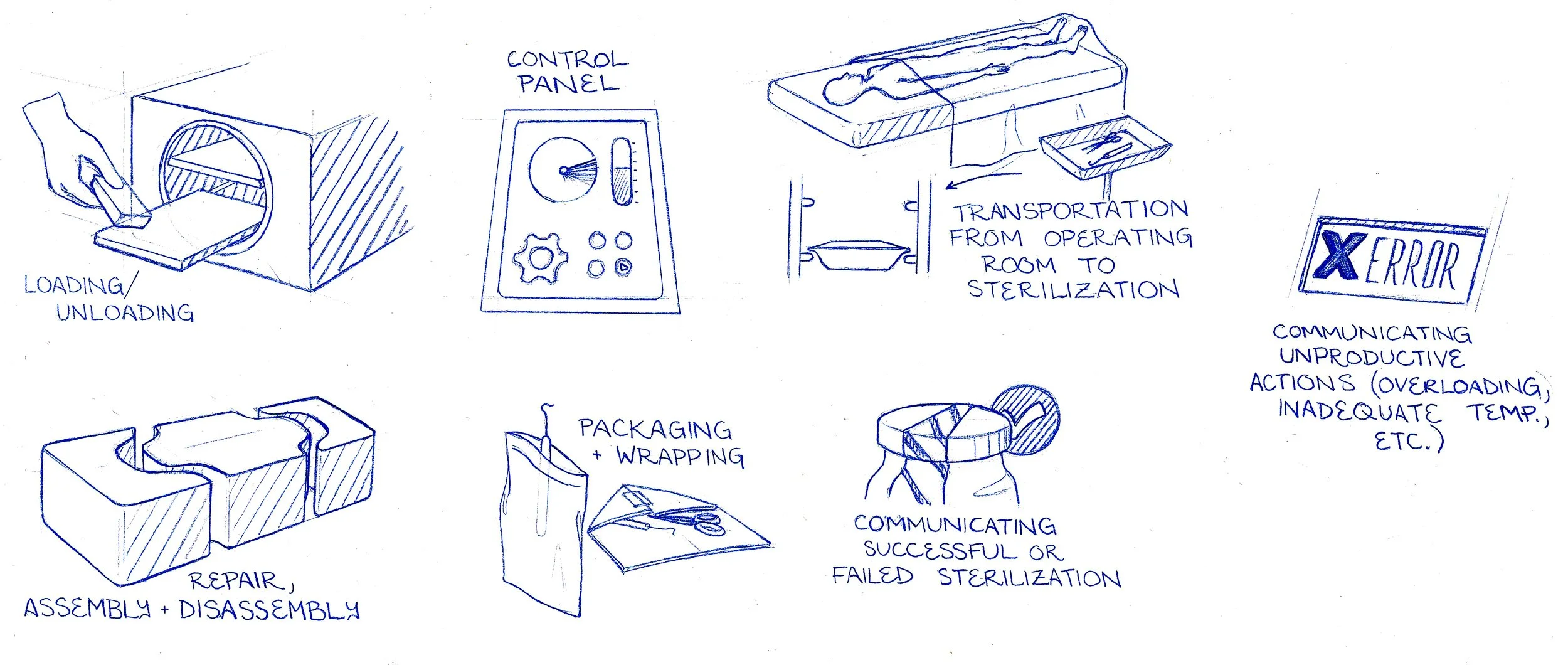
KEY INTERACTIONS
EXPLORATION
MOOD BOARDS
form
function
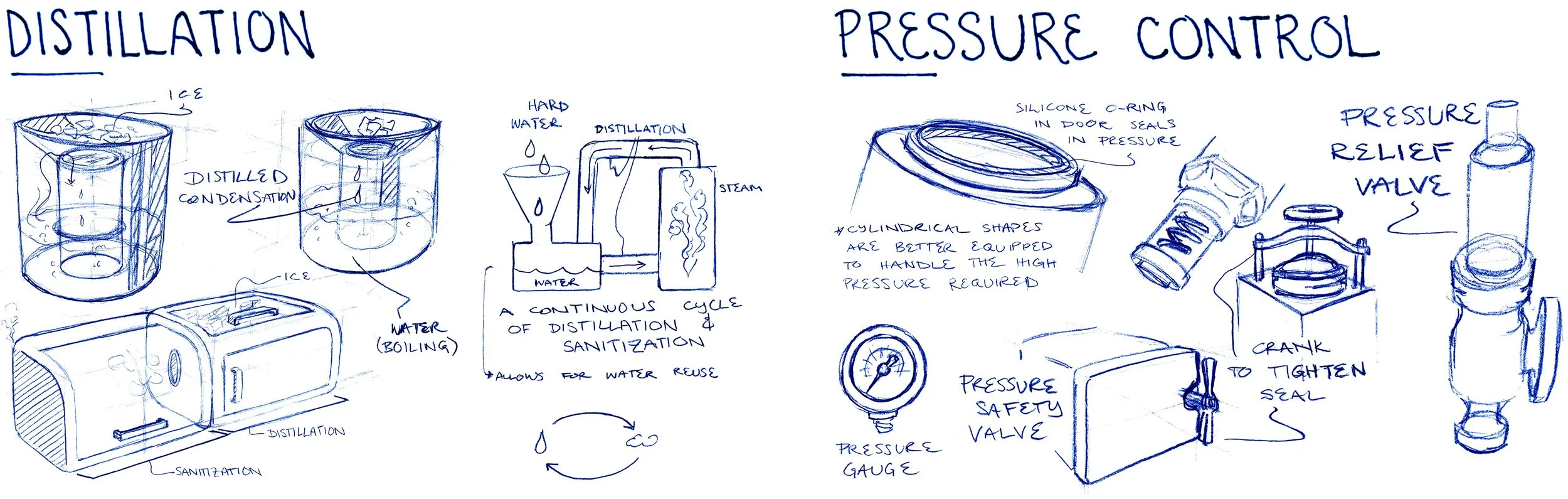
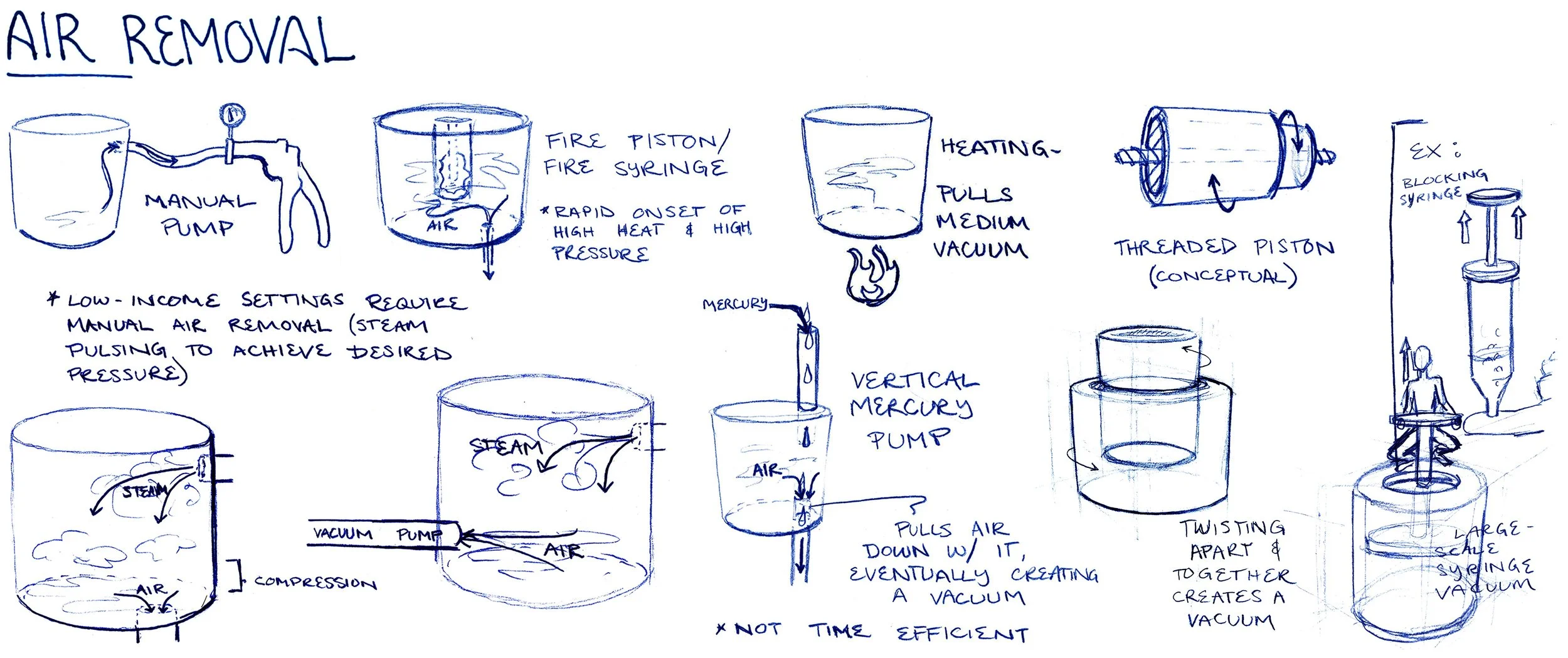
KEY FUNCTIONAL ELEMENTS
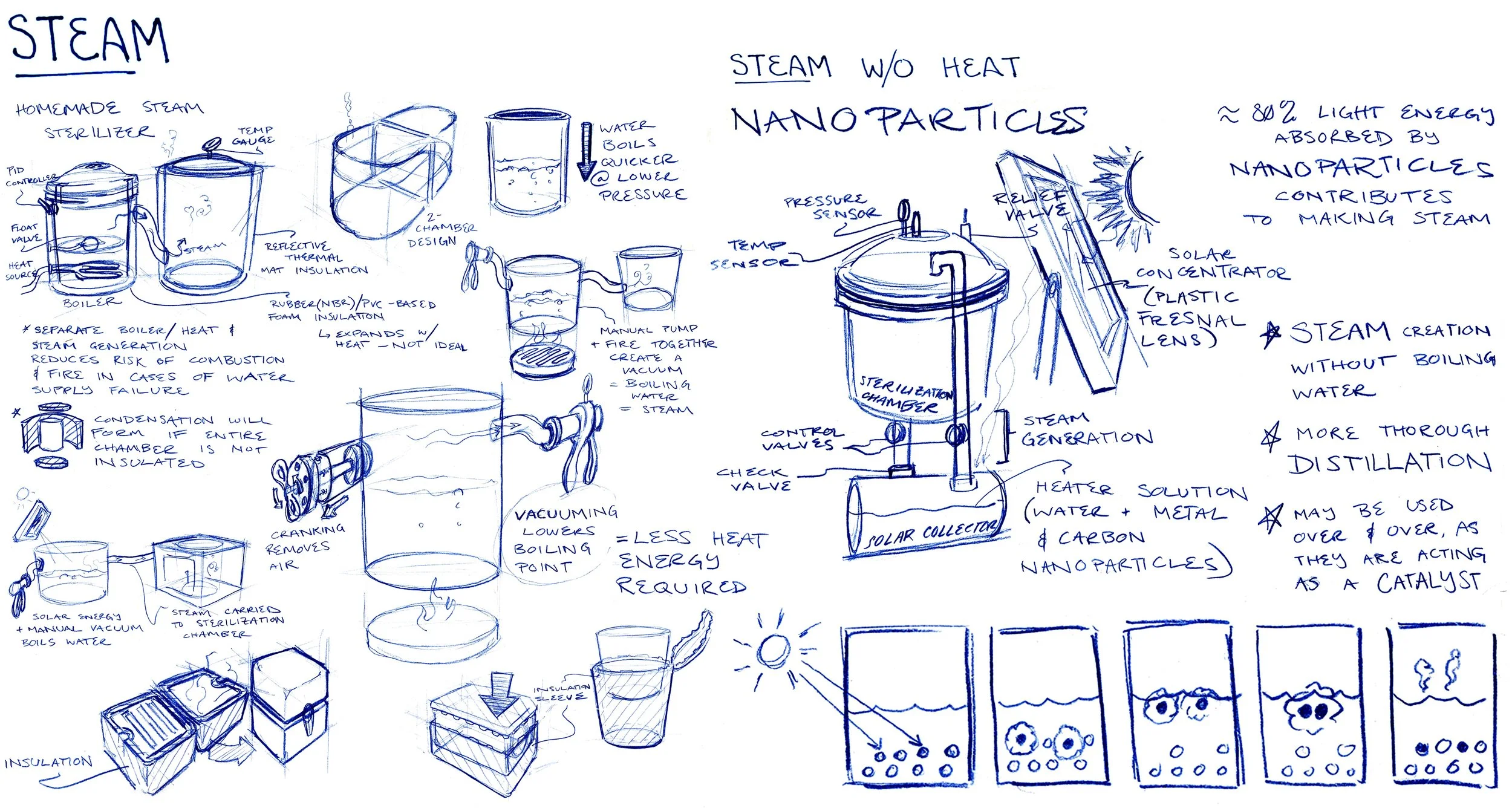
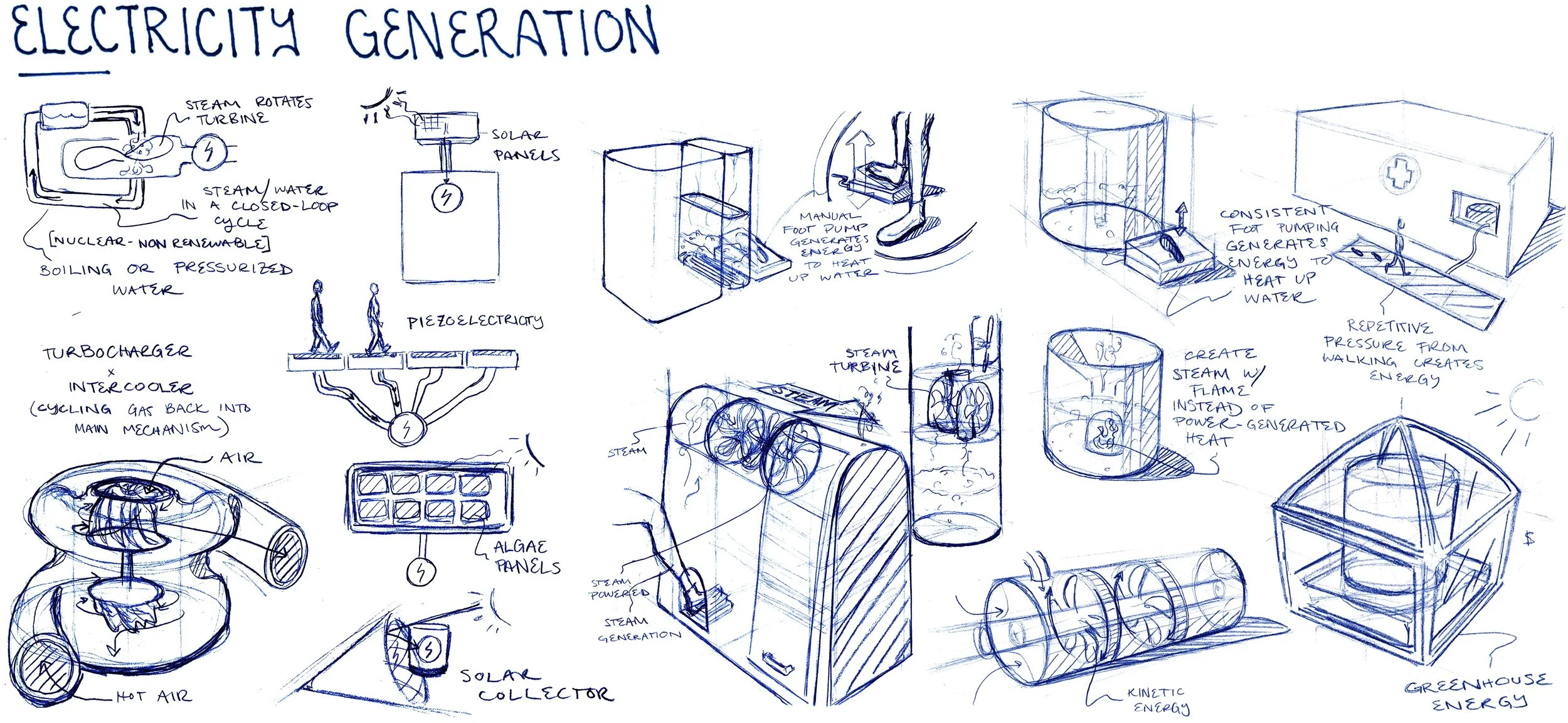
IDEATION
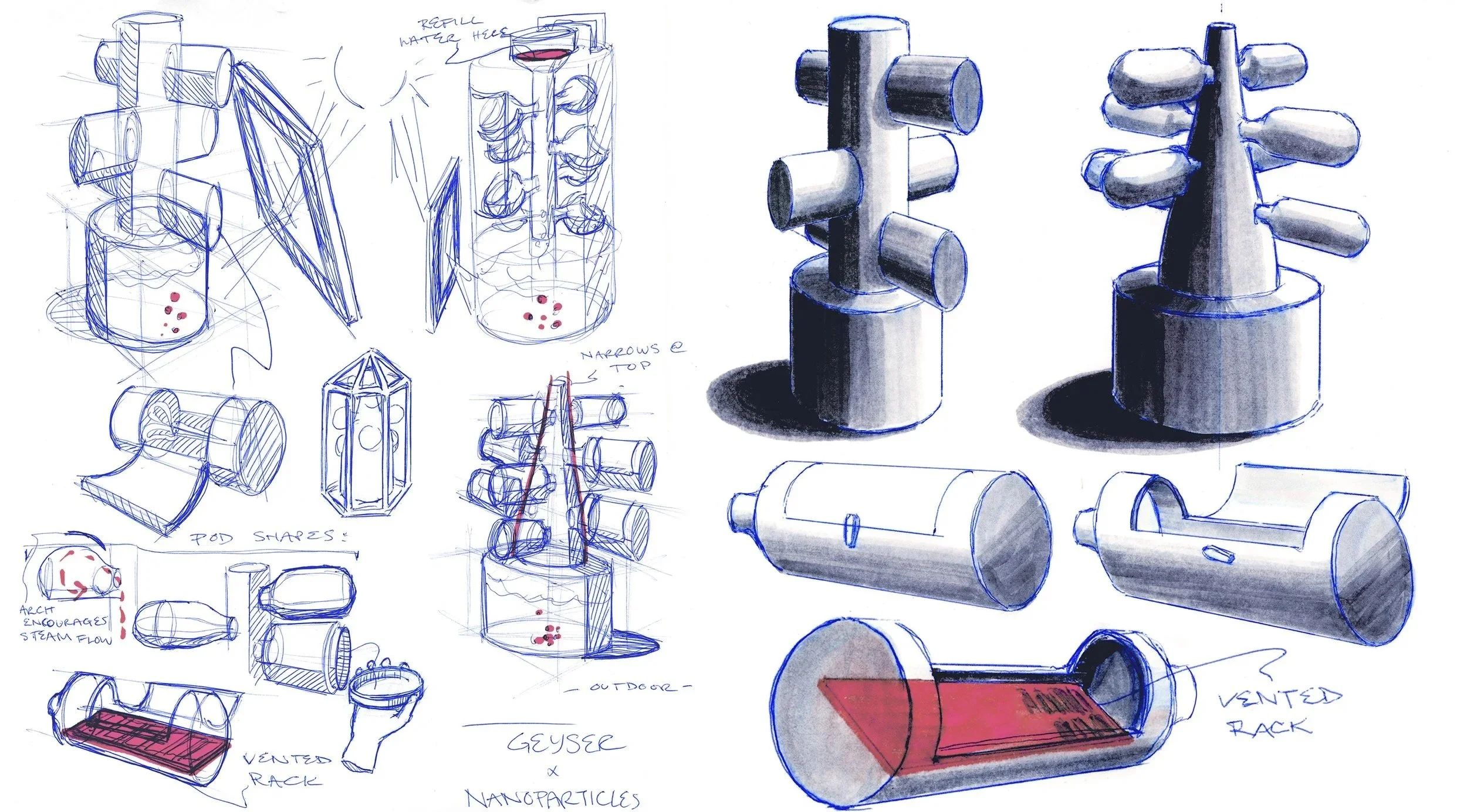
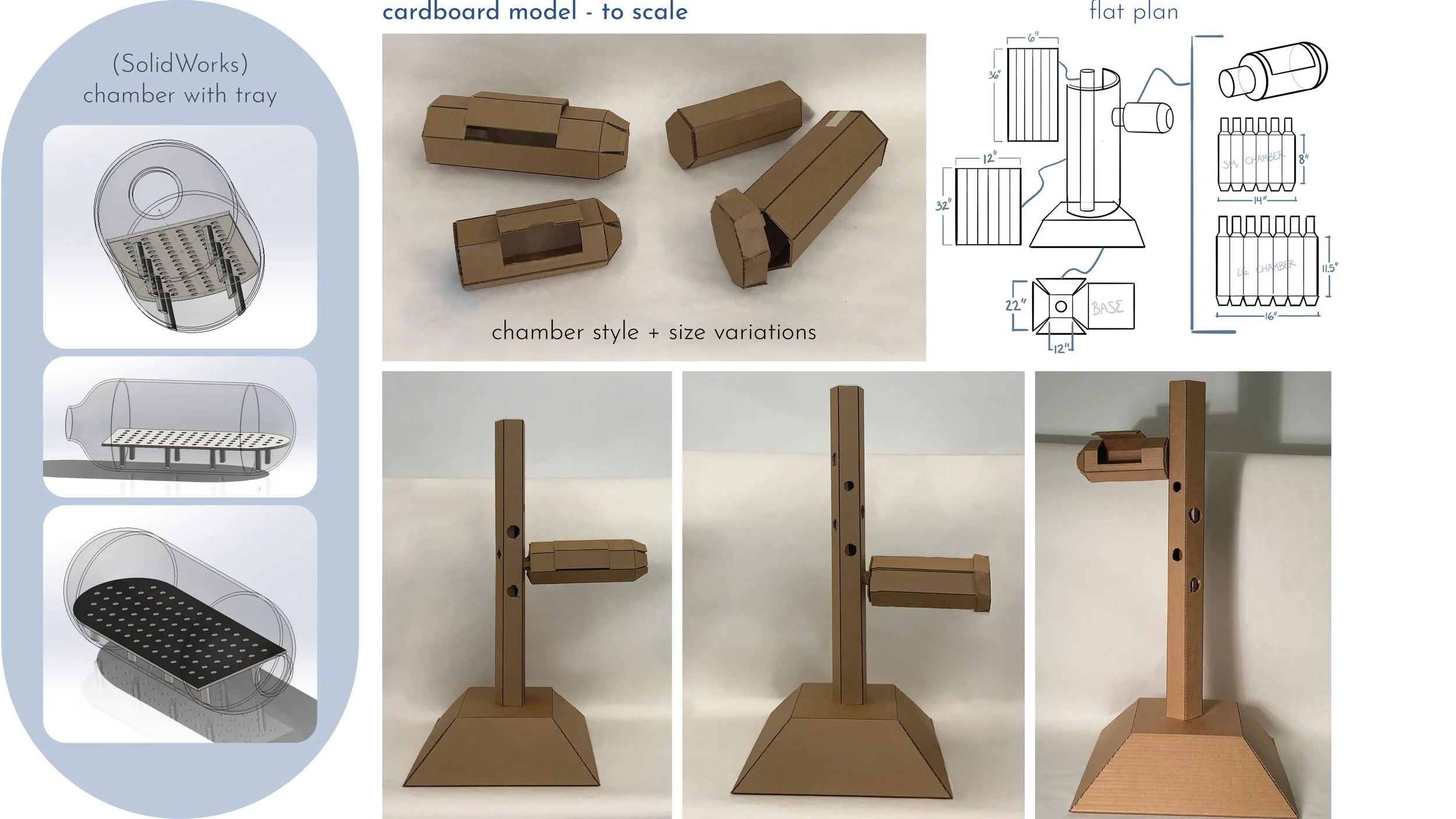
MOCK-UPS
USABILITY TESTING + TAKEAWAYS
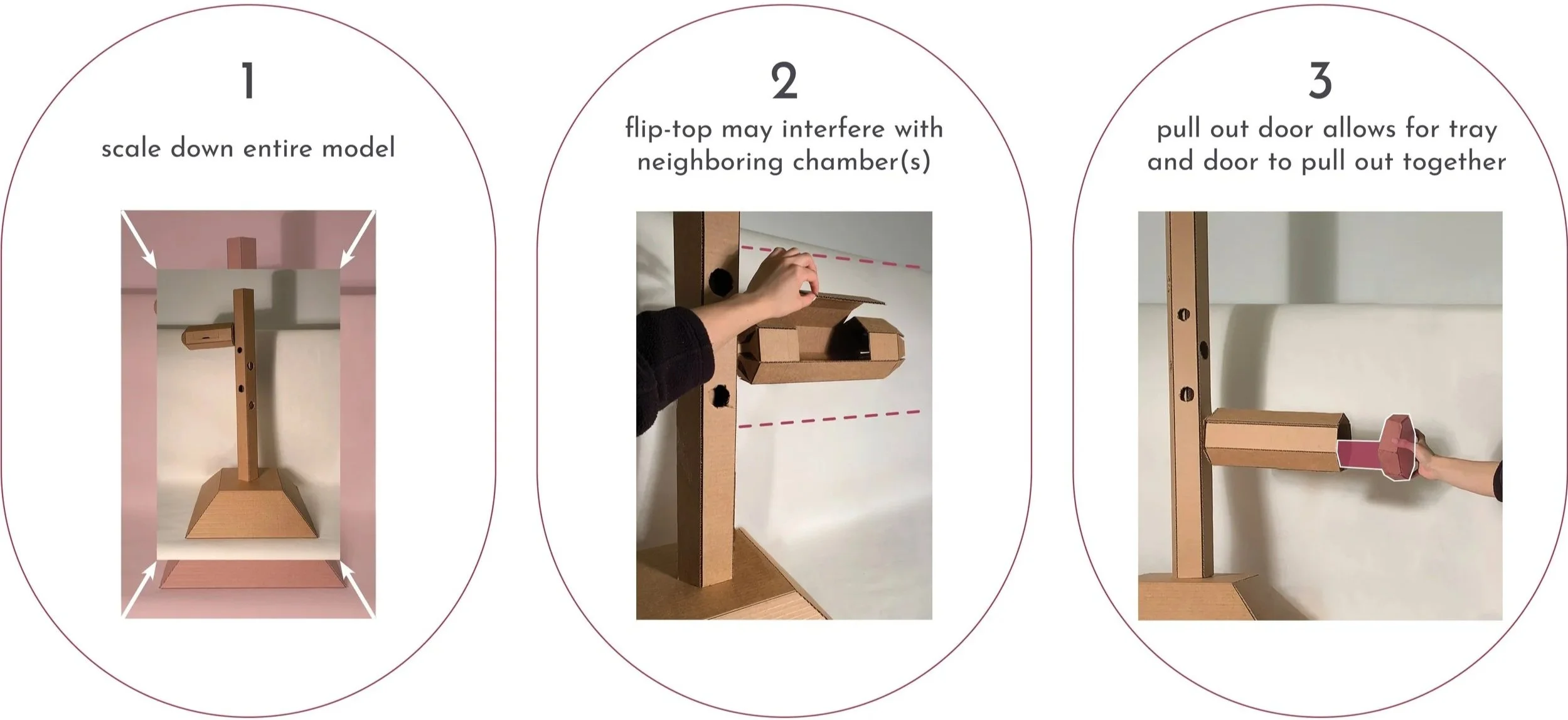
REFINEMENT
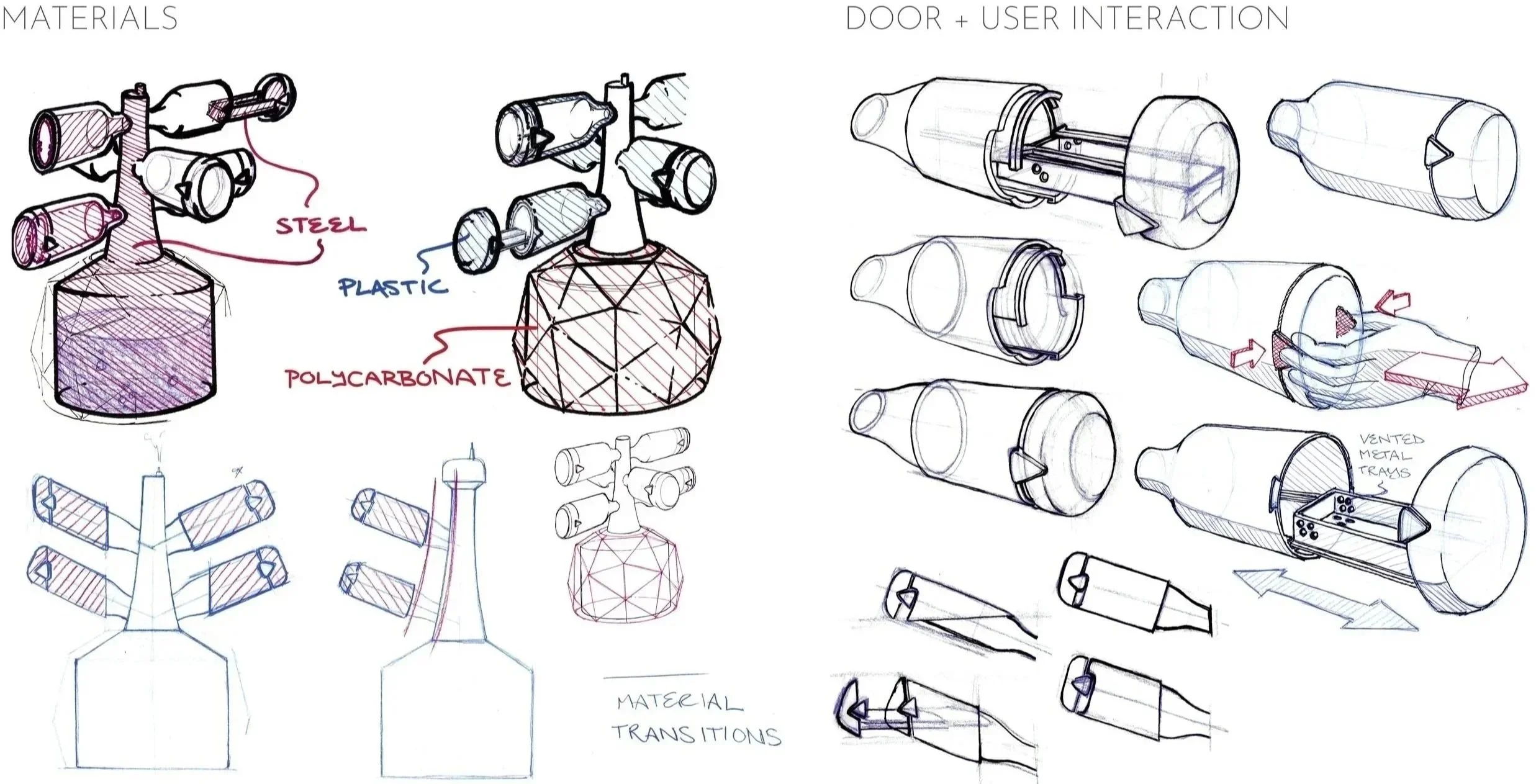
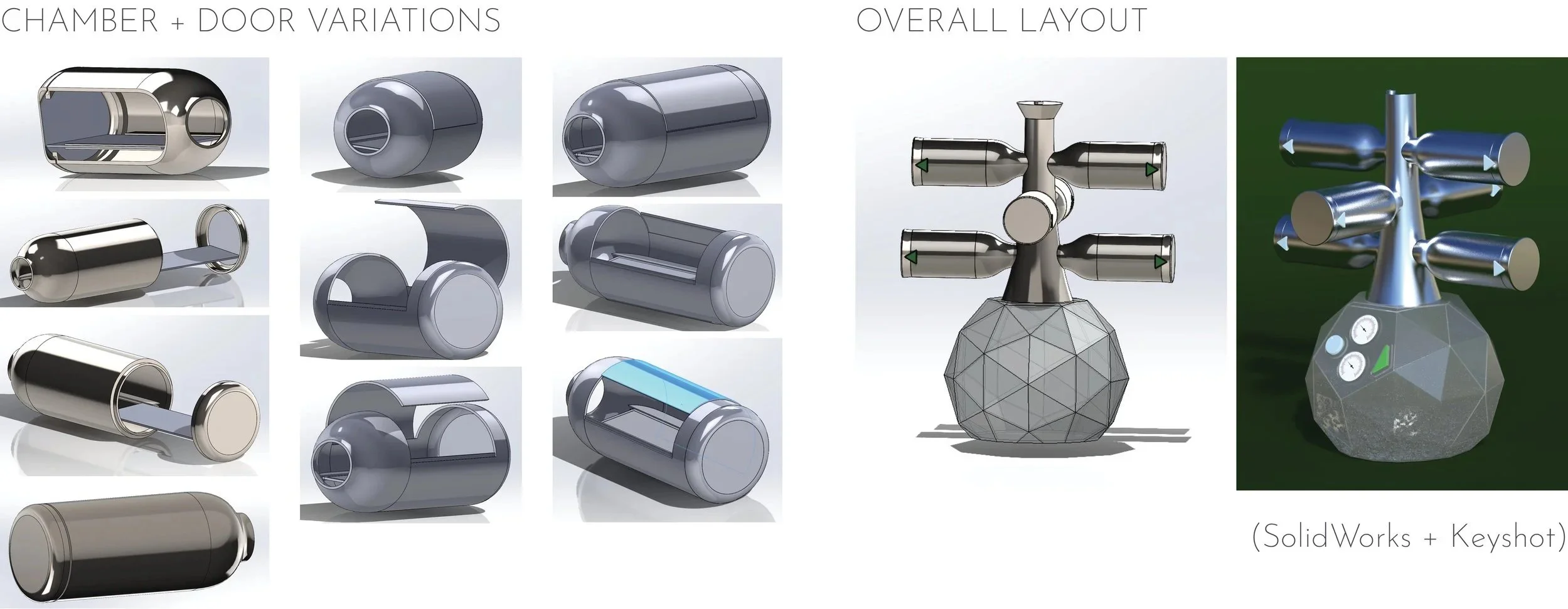
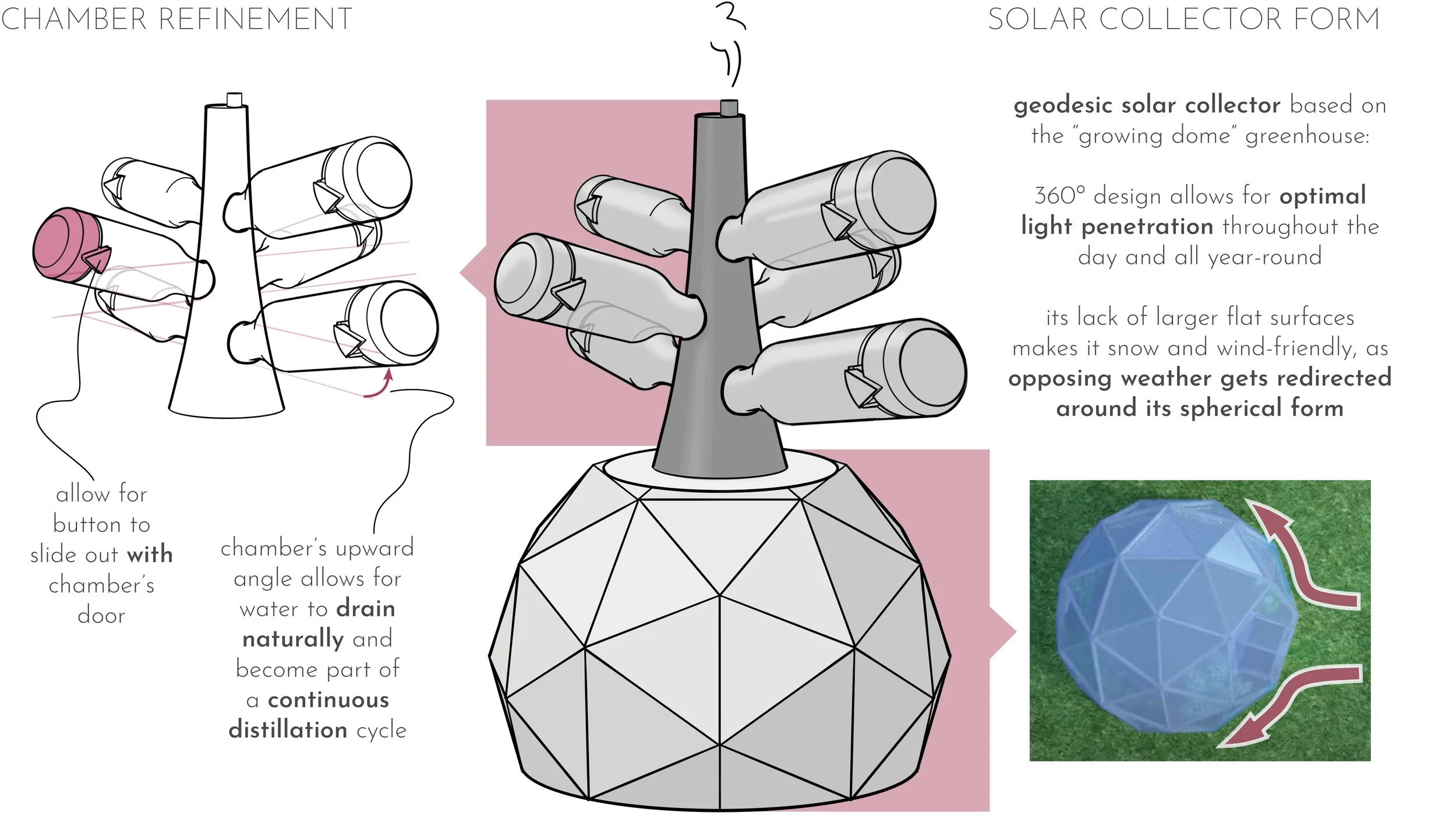
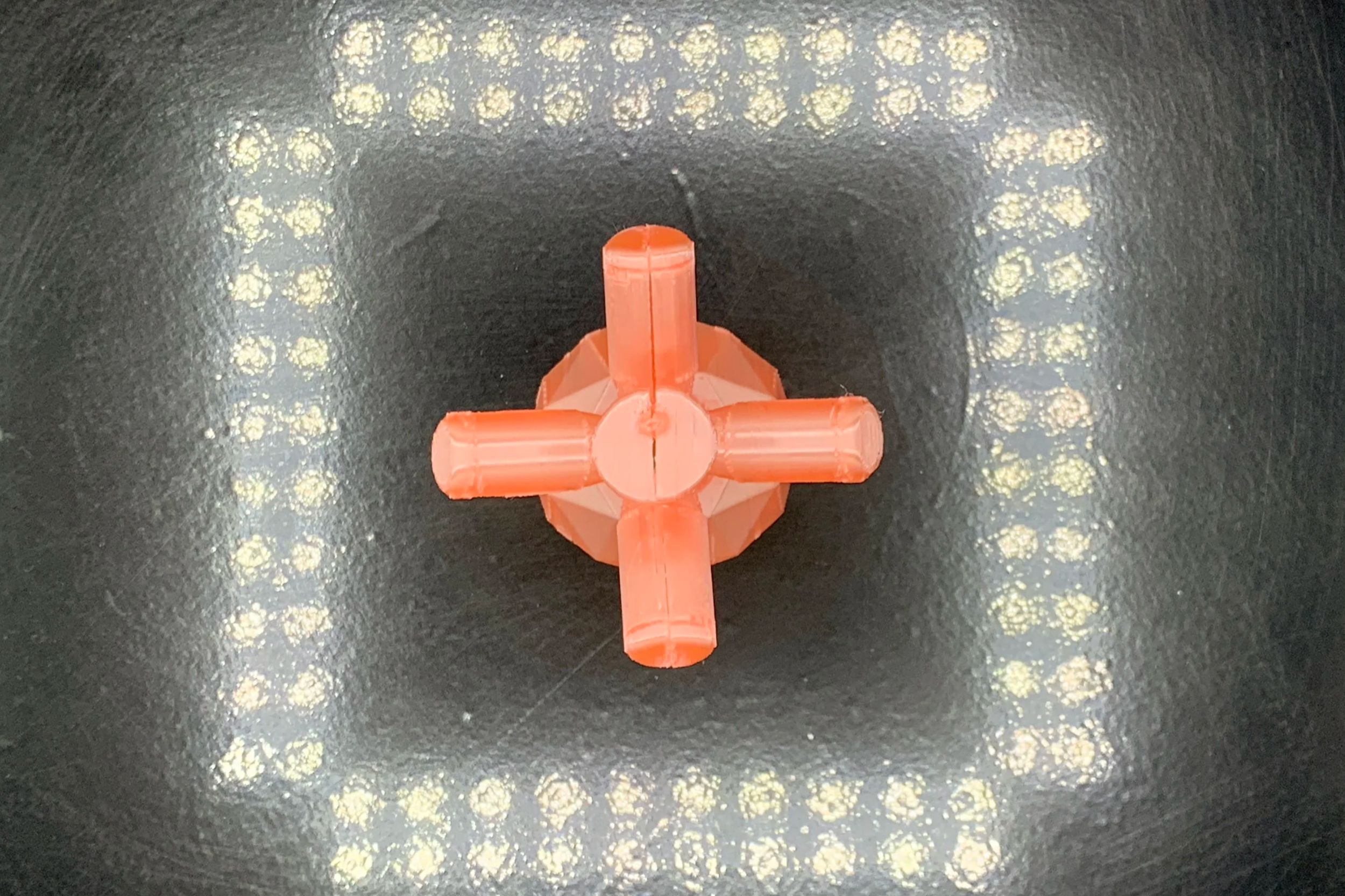
RAPID PROTOTYPE
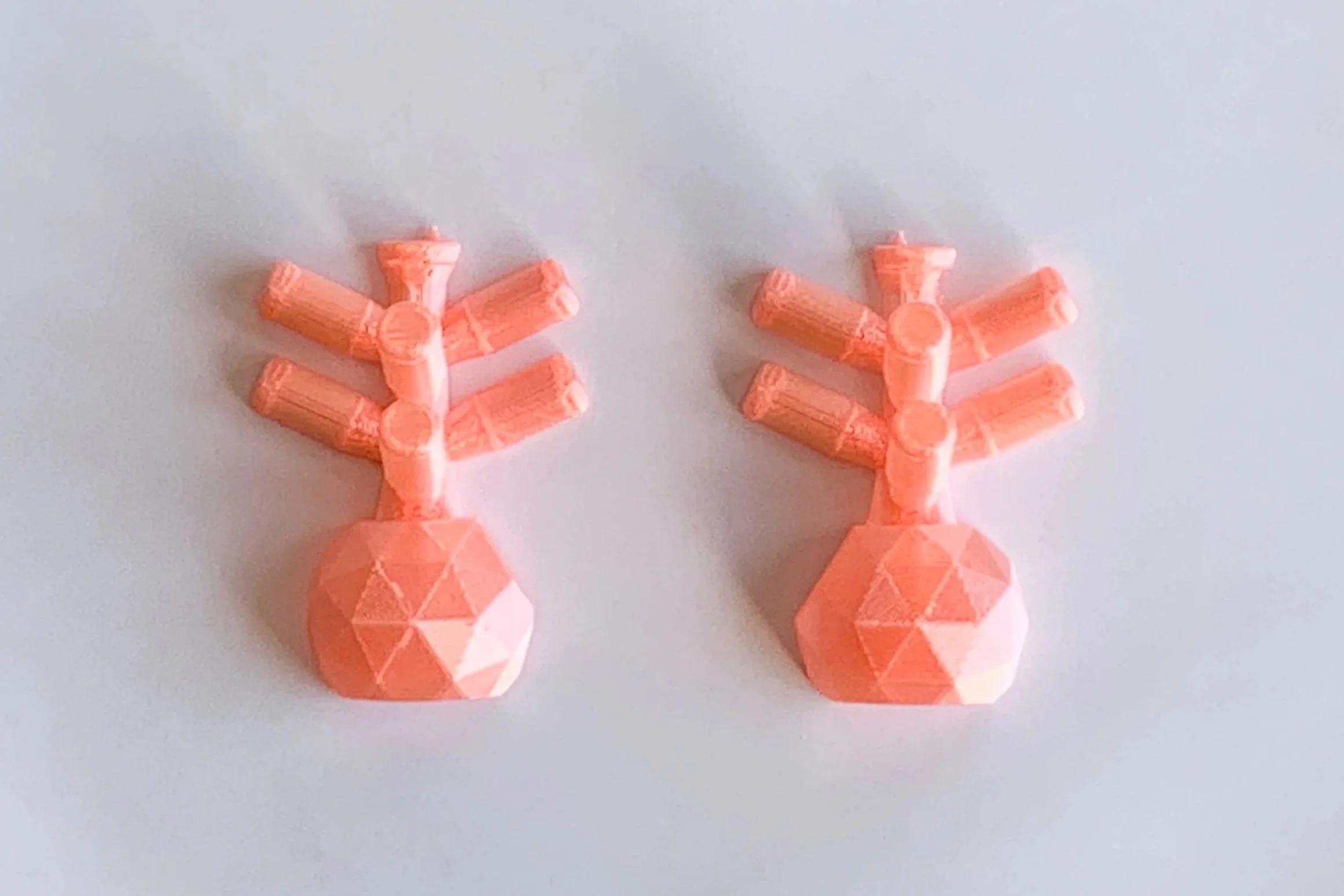
DESIGN
SOLUTION
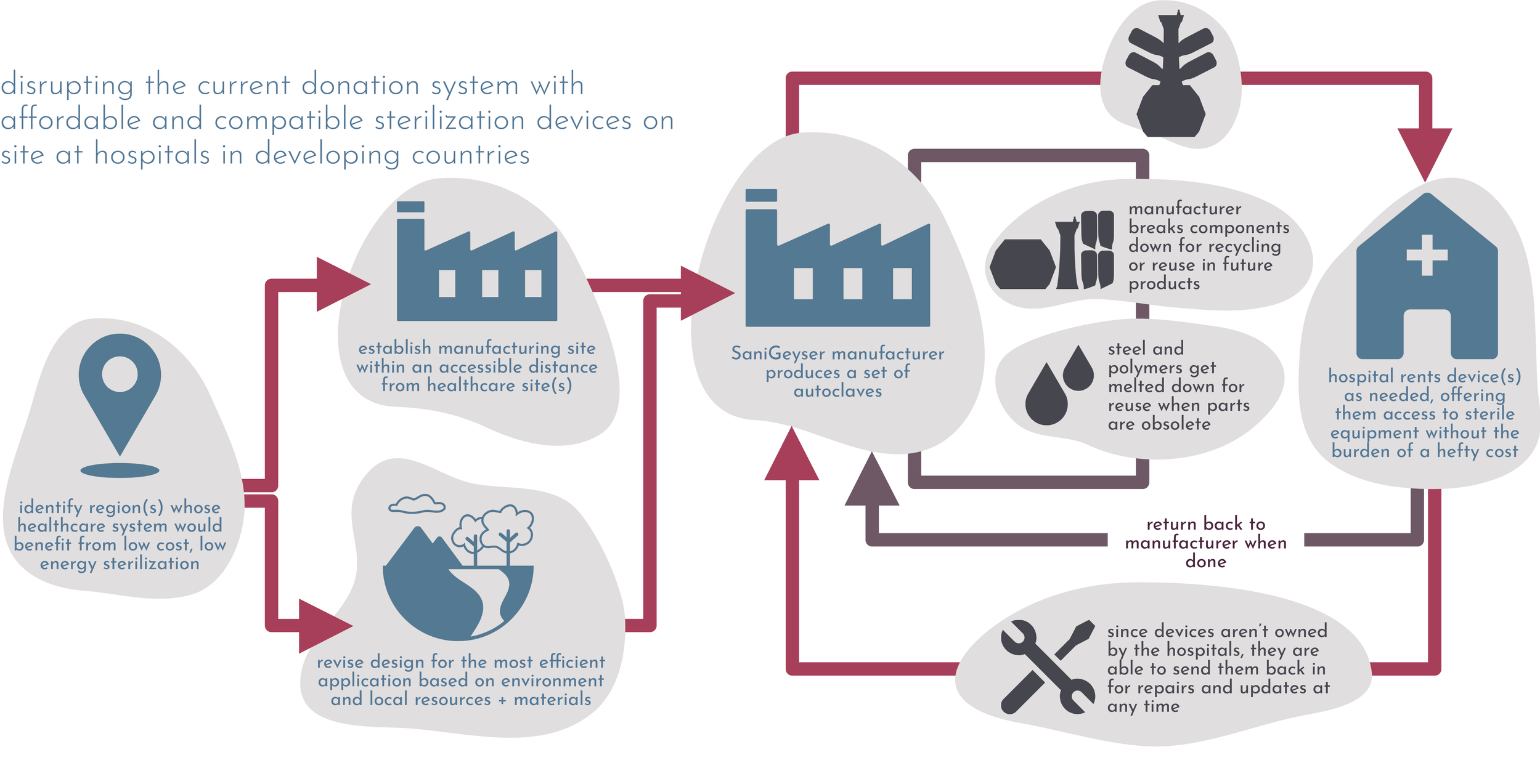
PROPOSED BUSINESS MODEL
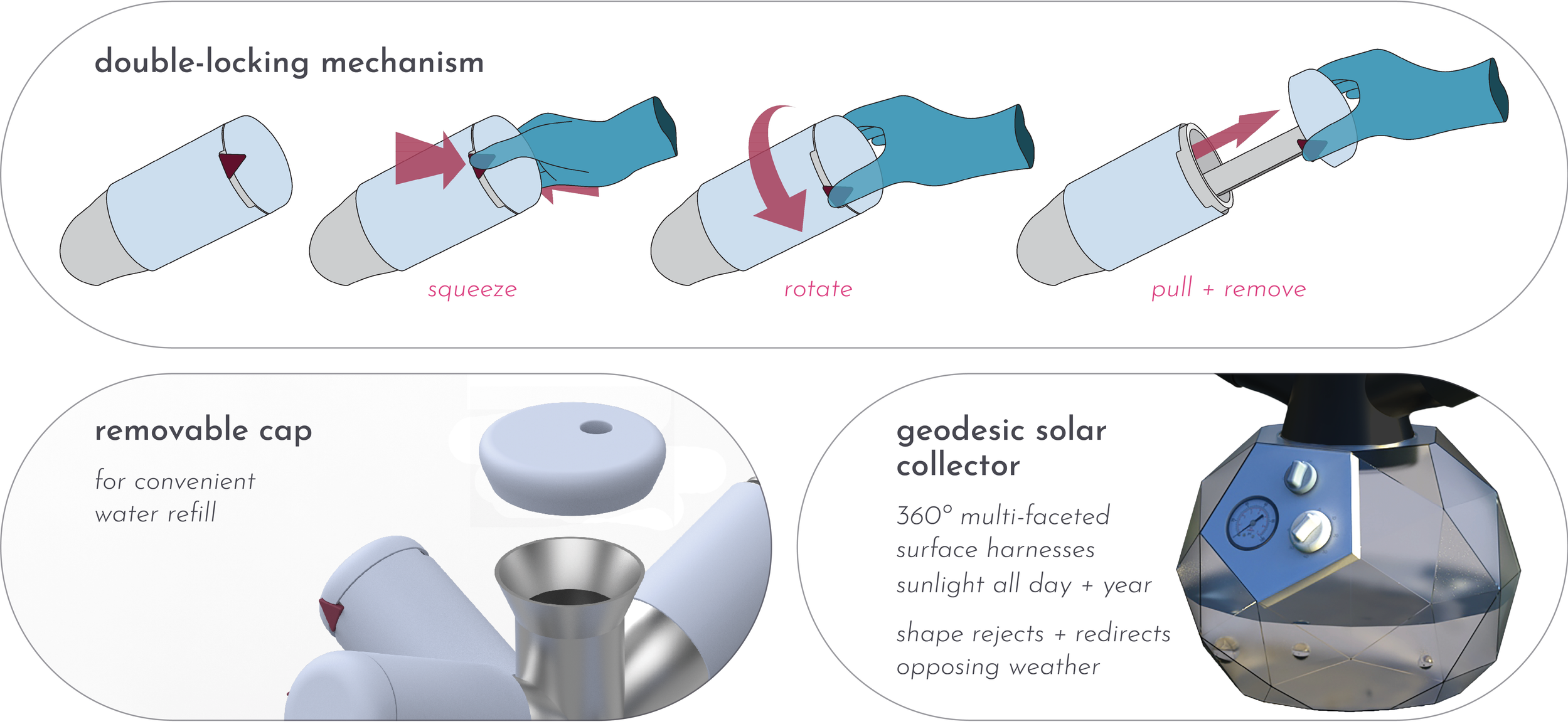
DESIGN FEATURES
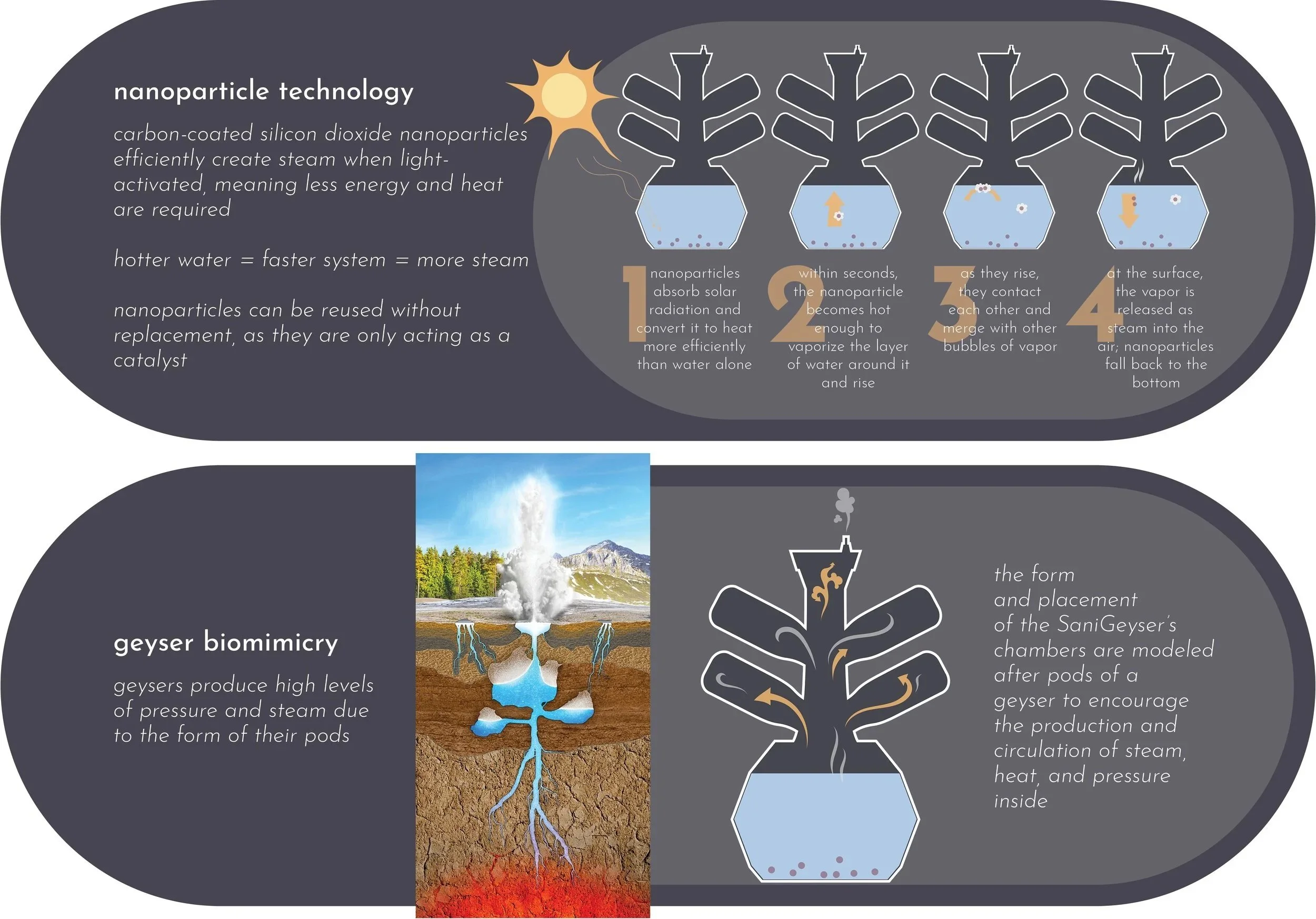
INNOVATION
FINAL CONCEPT
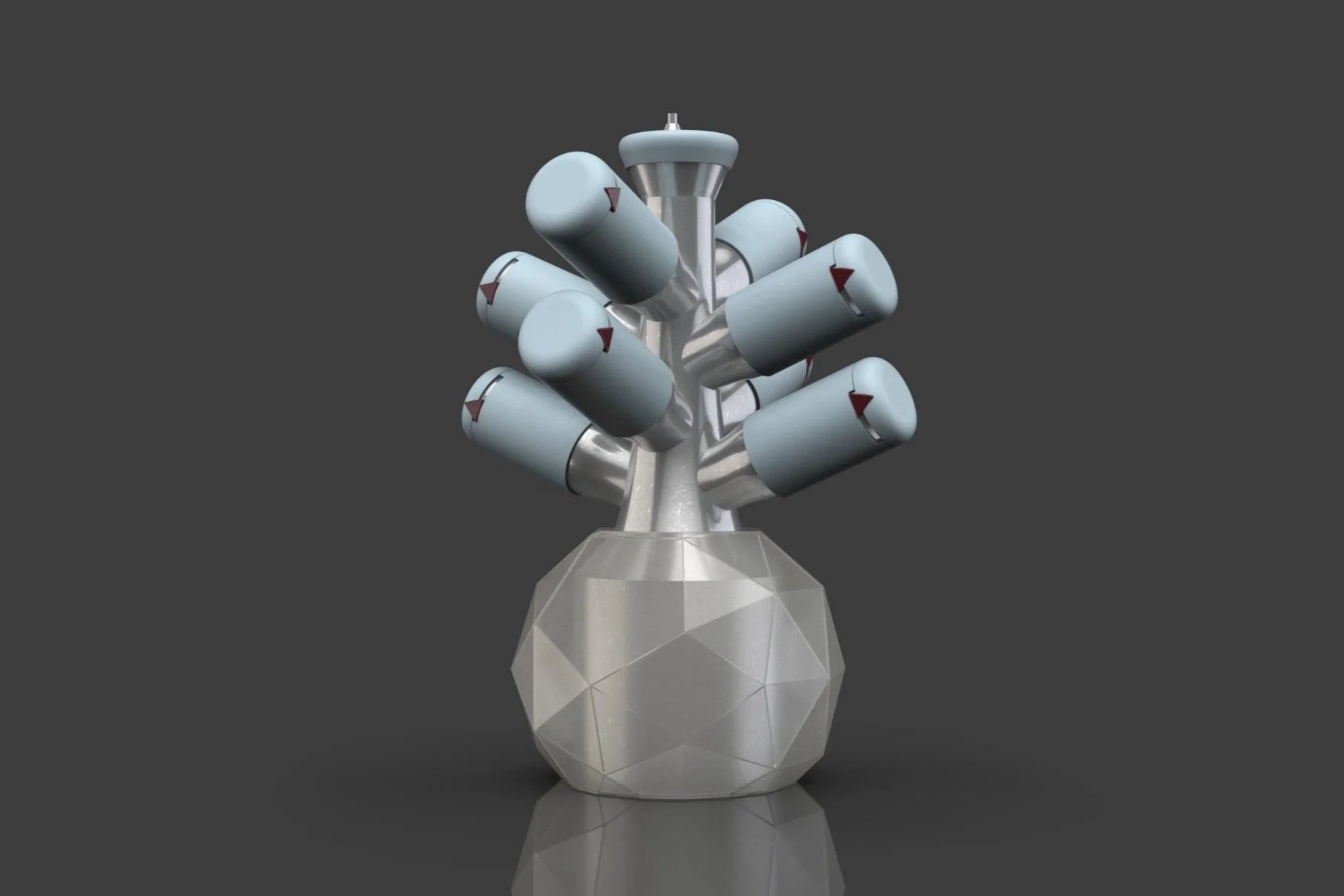
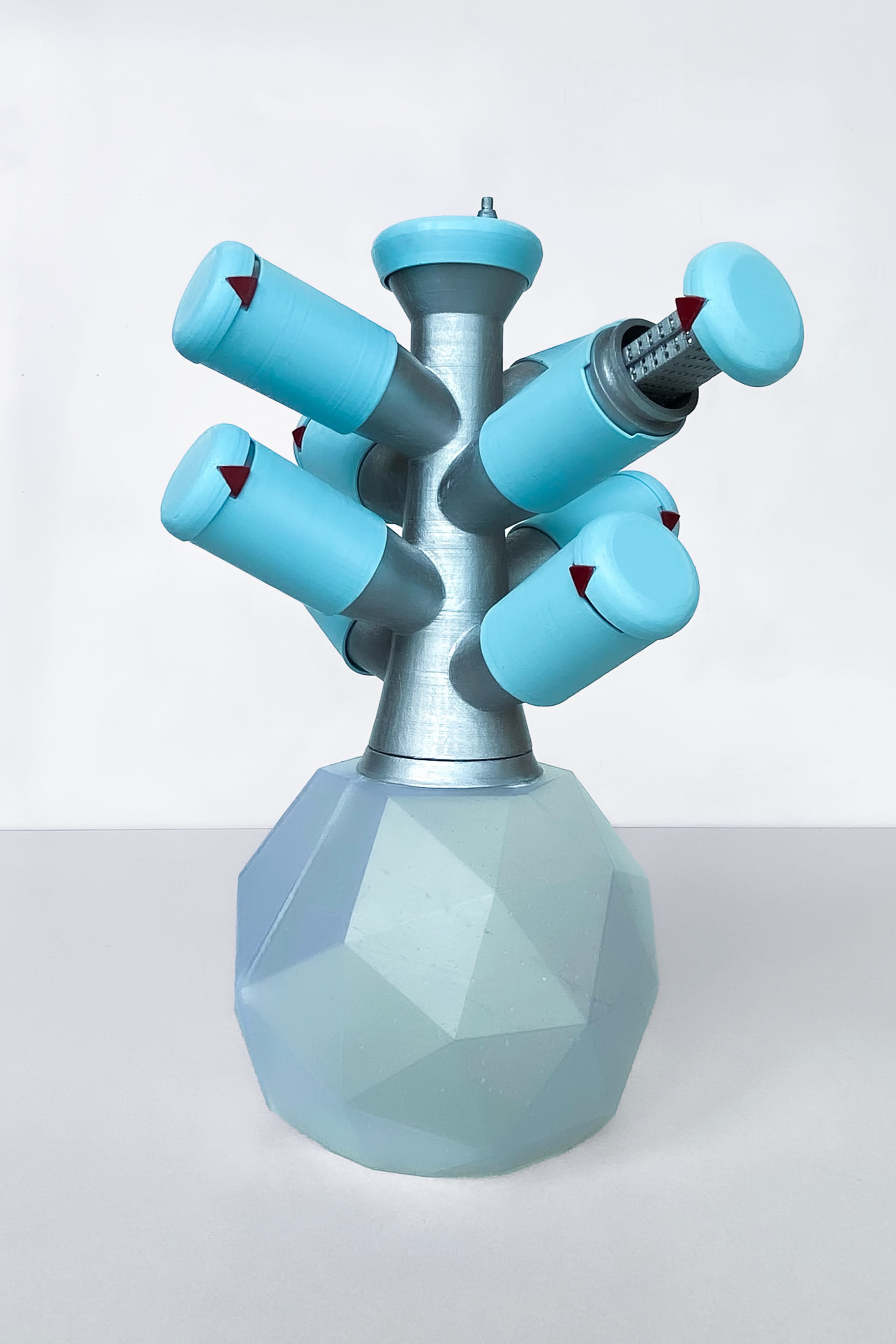
MATERIALS
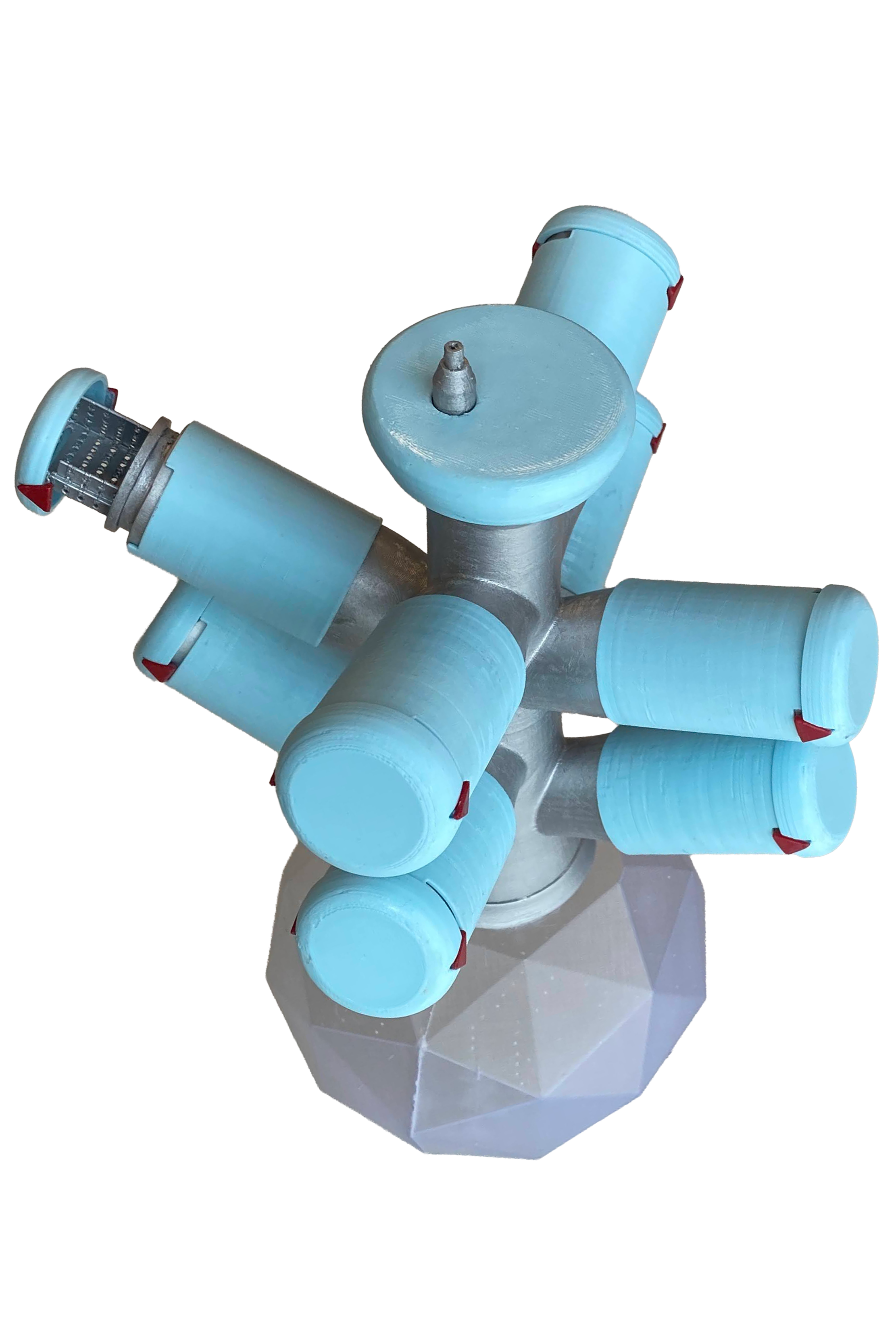
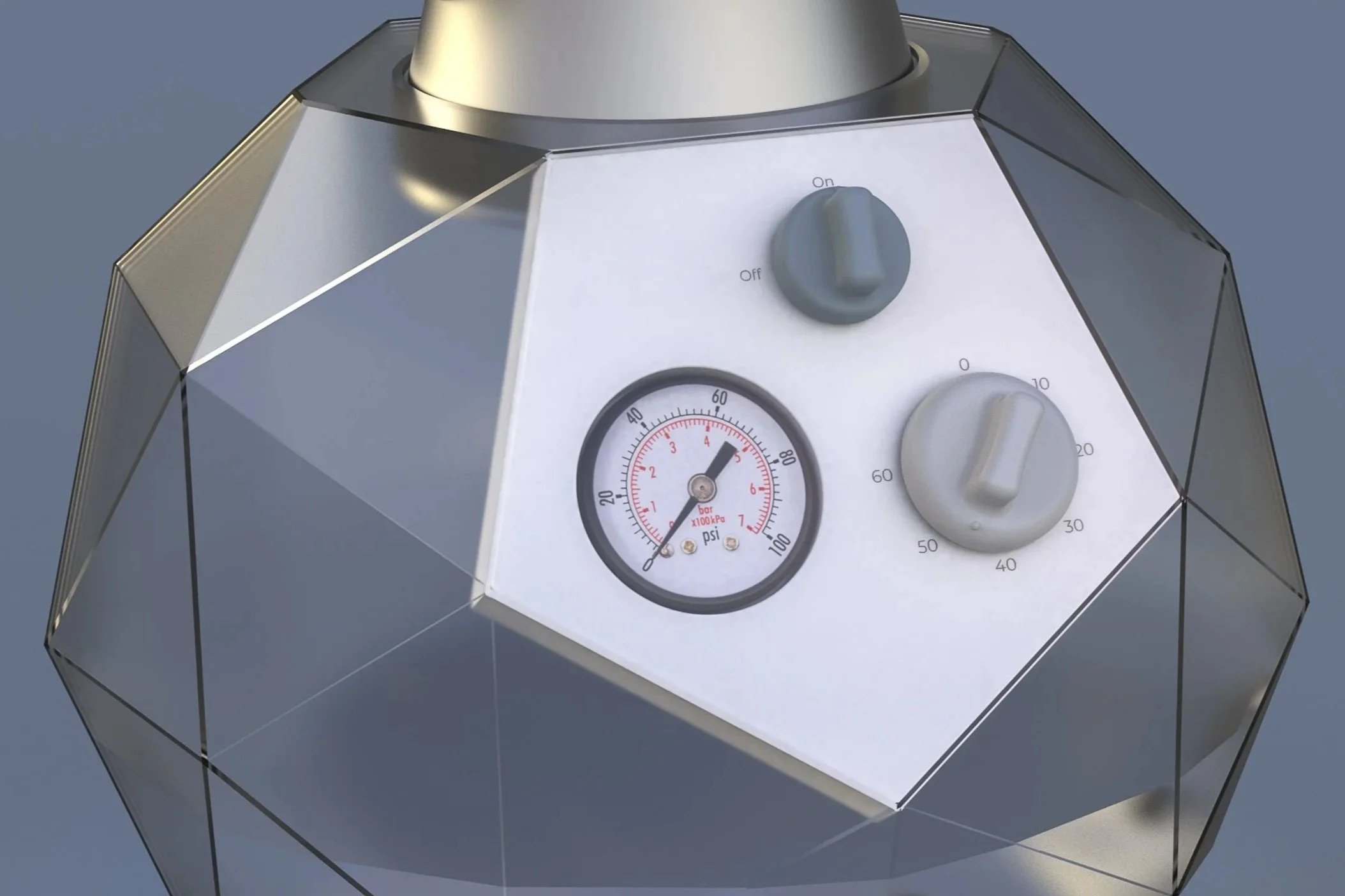
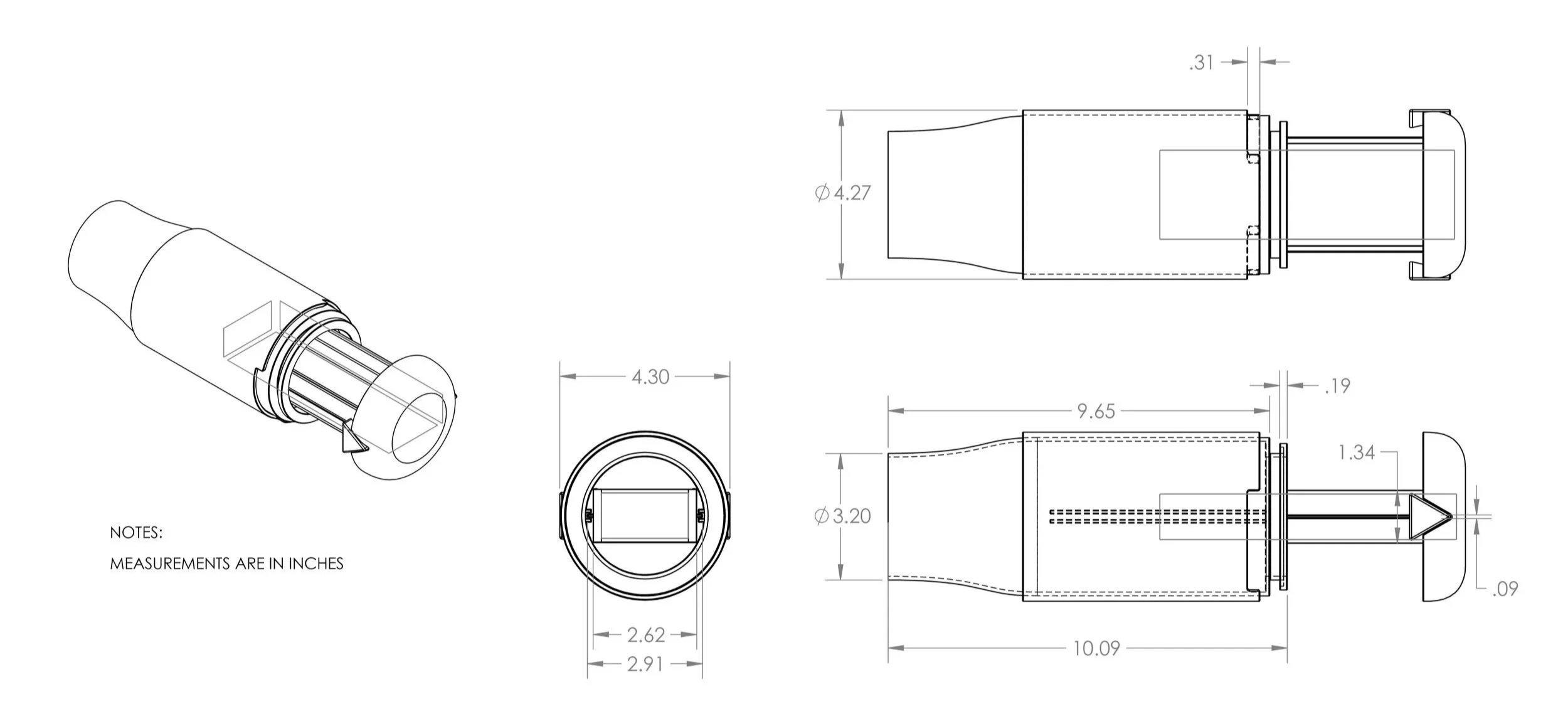
DIMENSIONS
CONCLUSION
LIMITATIONS
Designing for external communities and their culture, environment, and natural resources is expected to pose some significant research and analysis barriers.
Gaps in knowledge mentioned previously, including limited country-specific information and inconsistent data regarding routine device use, will likely prevent efforts from being accepted as a promising solution until implementation is tested.
As a user-centered designer, the most valuable data is drawn from directly experiencing and identifying pain points, and putting oneself in the users’ shoes when possible. Due to my distance from target users and their community, valuable feedback, testing, and confirmation for design solutions were limited and difficult to obtain in the span of the project.
CONCLUSION
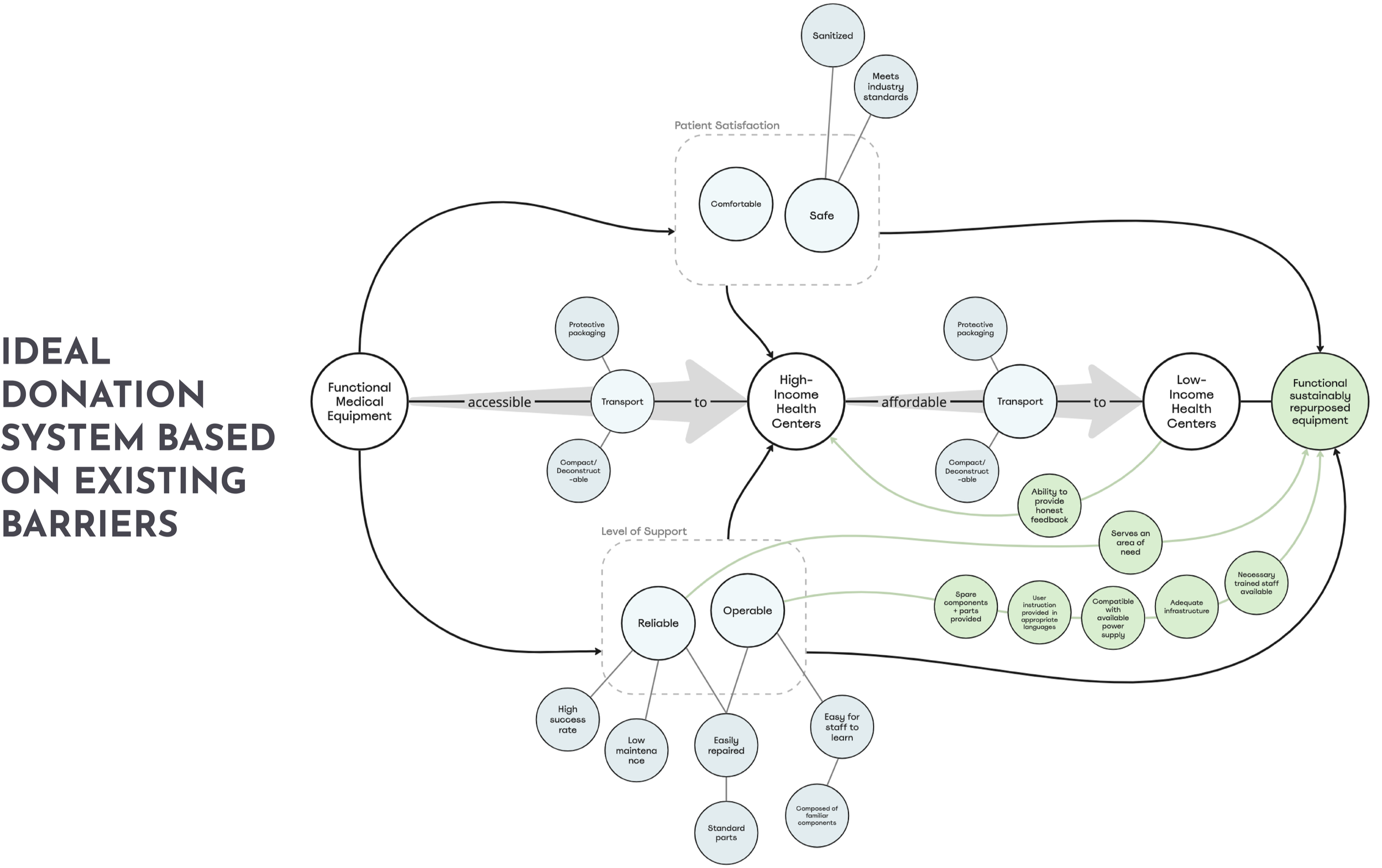
As highlighted in my research, an alarming level of medical waste is caused by many factors that prevent successful donation efforts to low-income healthcare centers. It is to the point where even a solution for any major aspect of the donation process would be largely ineffective due to the overwhelming number of additional barriers working against the system.
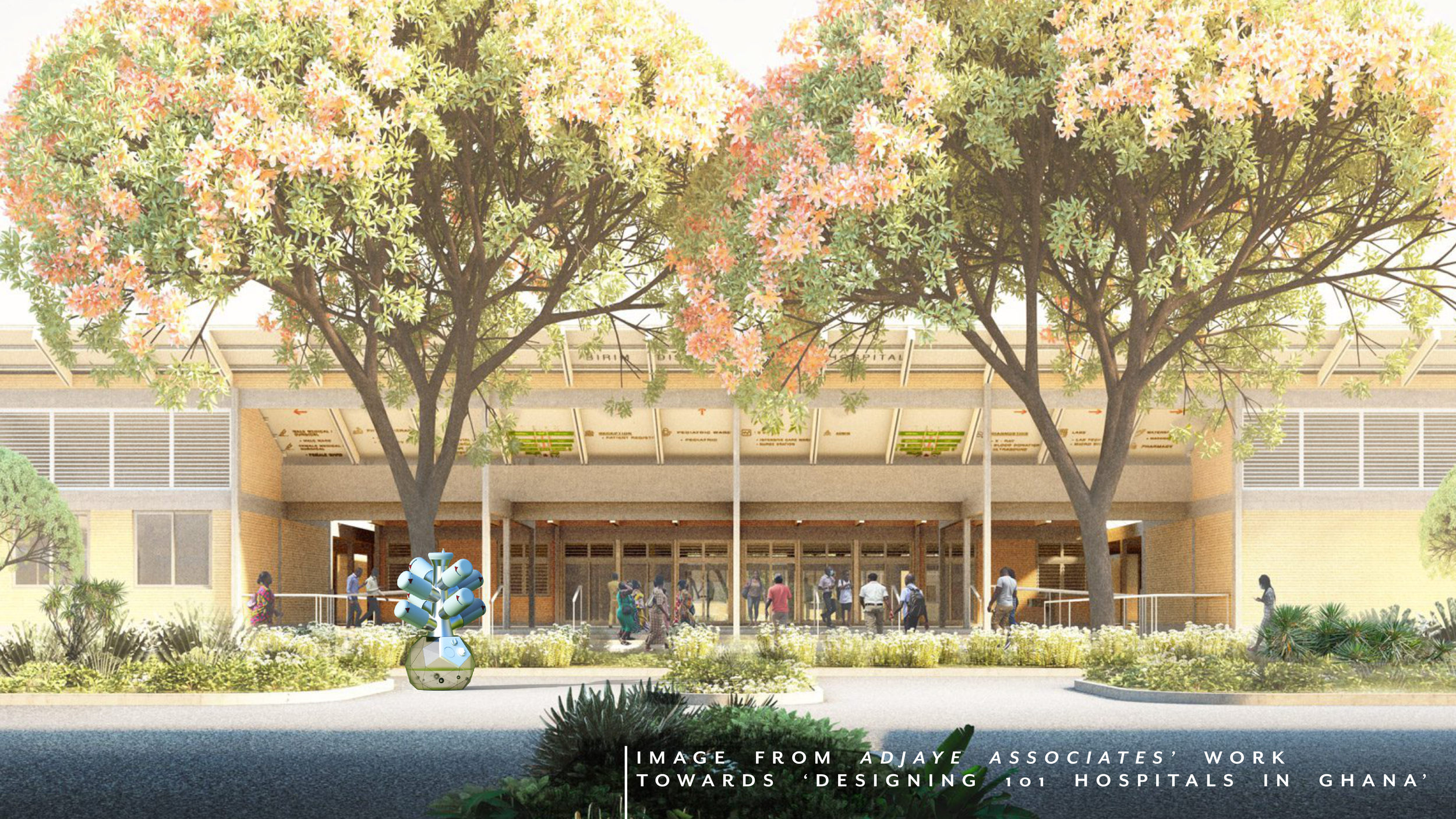
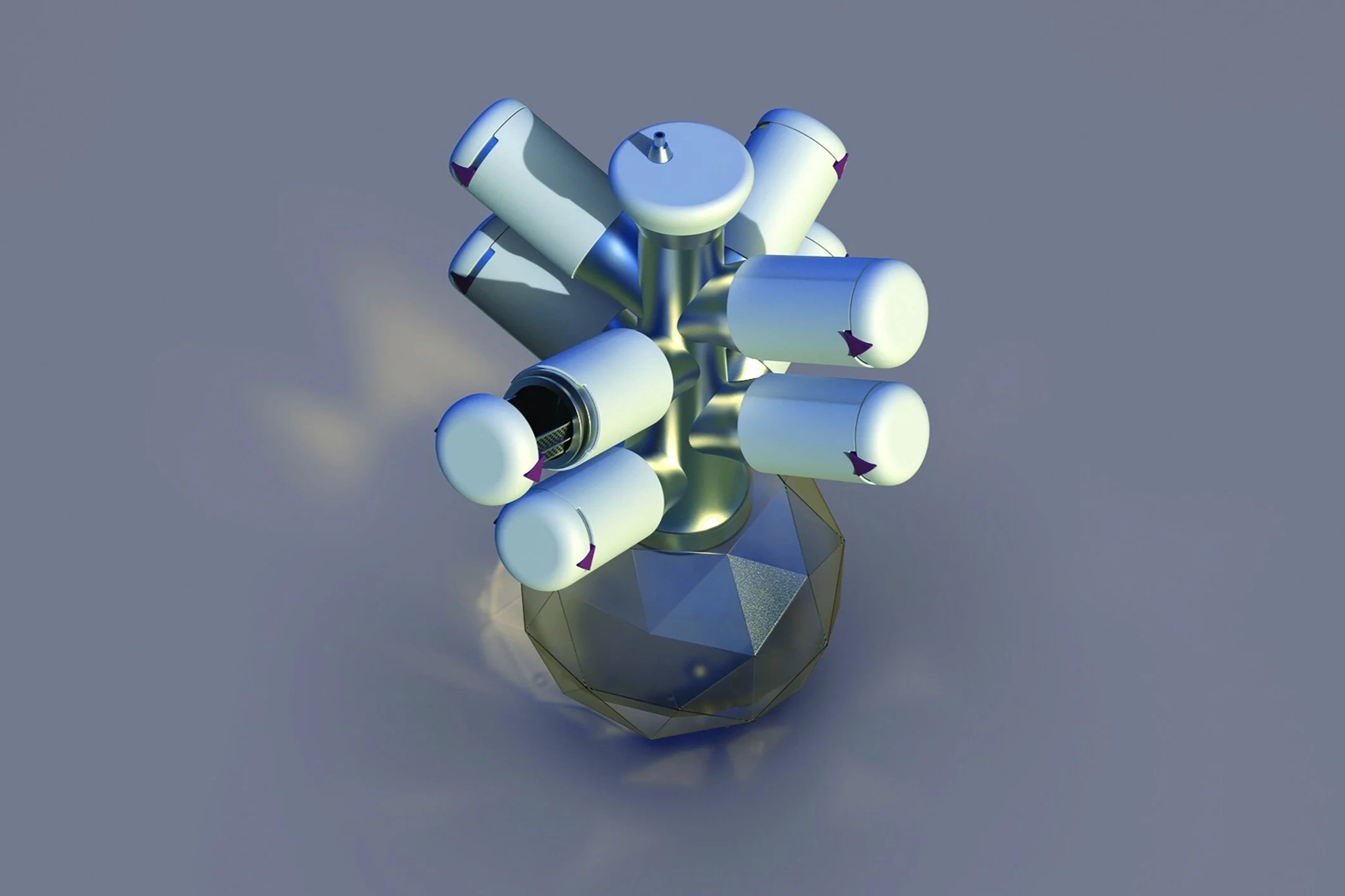
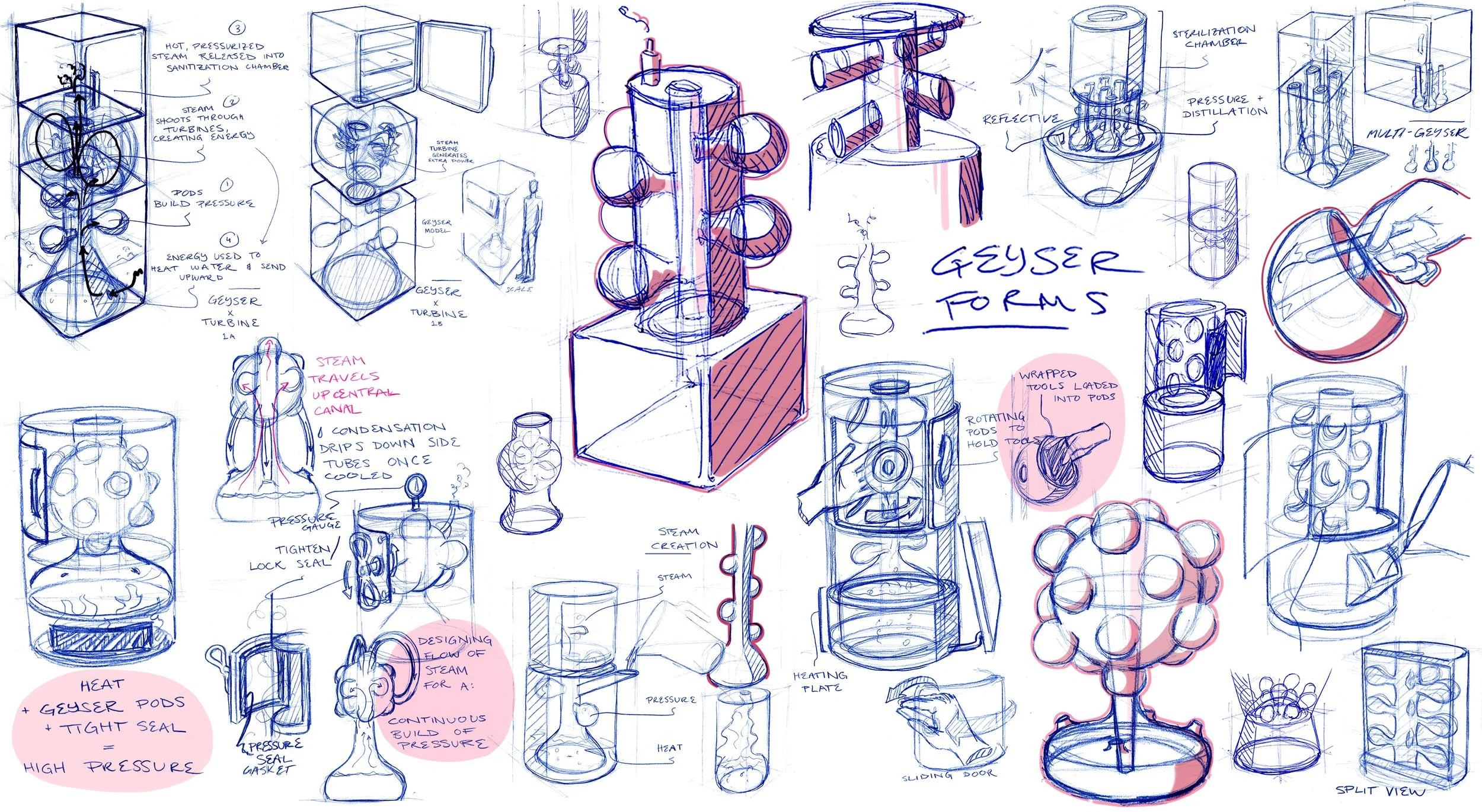
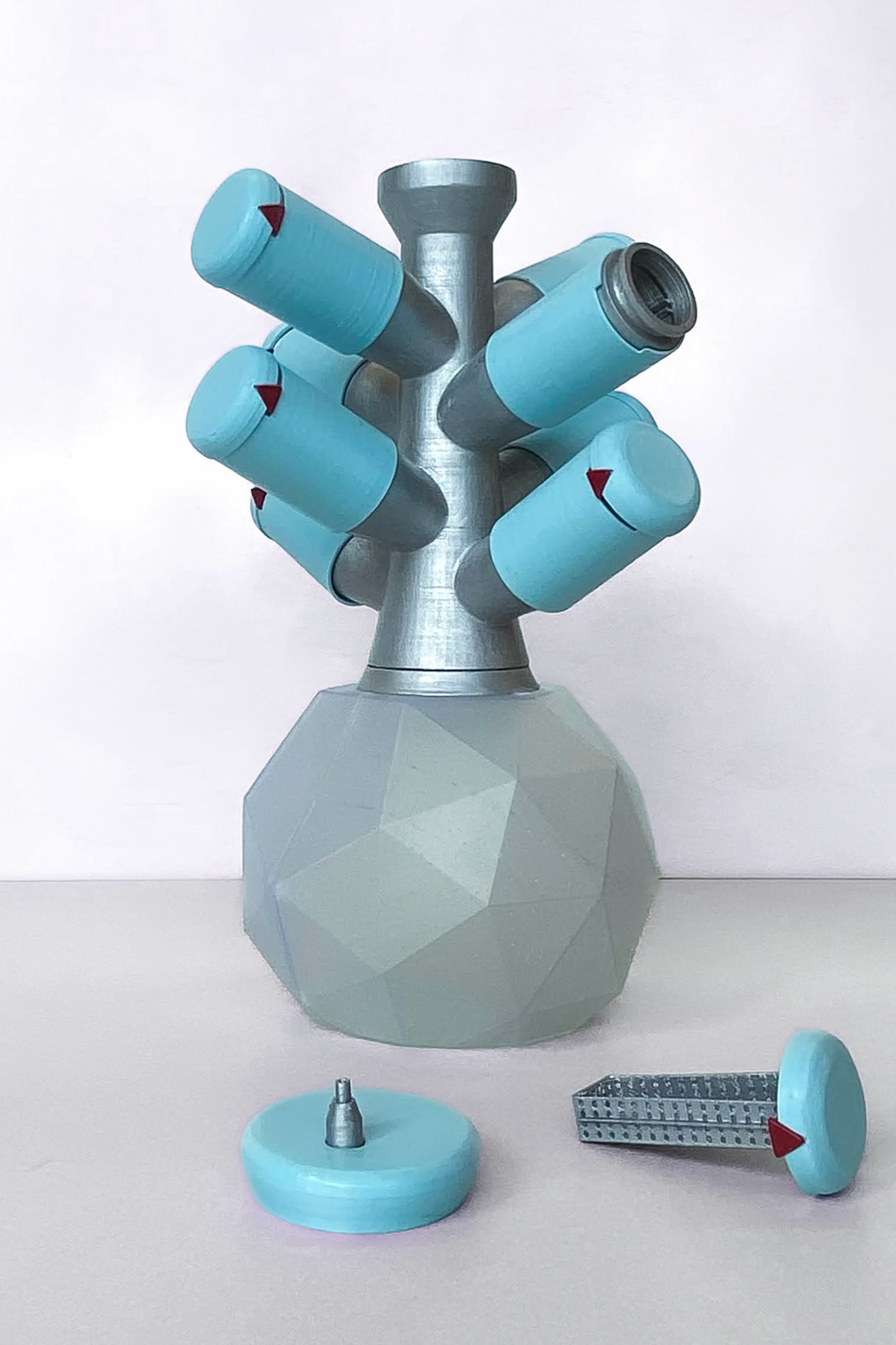
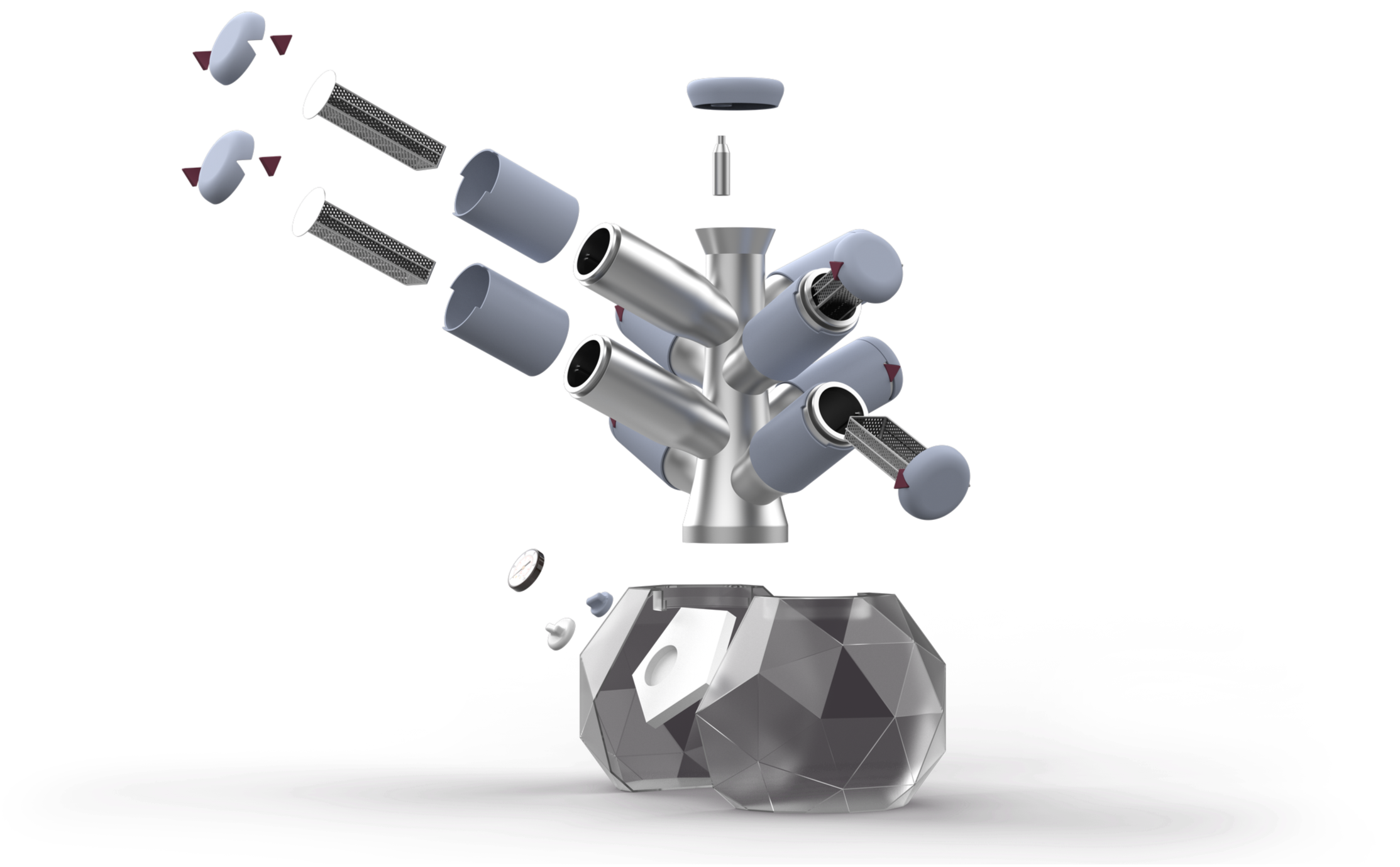
For this reason, my design proposes a business model that disrupts this problematic flow of donations and evades the current system entirely. This new system is exemplified through my blueprint concept of an autoclave sterilizer, the SaniGeyser, intended to be altered as fit for maximum efficiency at varying regions based on their climate and available resources.
Manufactured close to the site, with a rent-as-needed availability, healthcare centers can receive high-quality sterilization and support at a low cost. The SaniGeyser model is versatile in sunny climates, eliminating any power source or infrastructure incompatibility. Built directly with the target communities, it also cuts out contradictory manuals, instructions, and customer support. Additionally, manufacturers ultimately owning the products and being located in the users’ general region allows for an open and convenient line of communication in cases where maintenance and repairs are needed. Lastly, the proposed business model promotes returning devices to the manufacturers at the end of use, which keeps reusable parts and materials operative until they are recycled, ultimately decreasing waste levels.